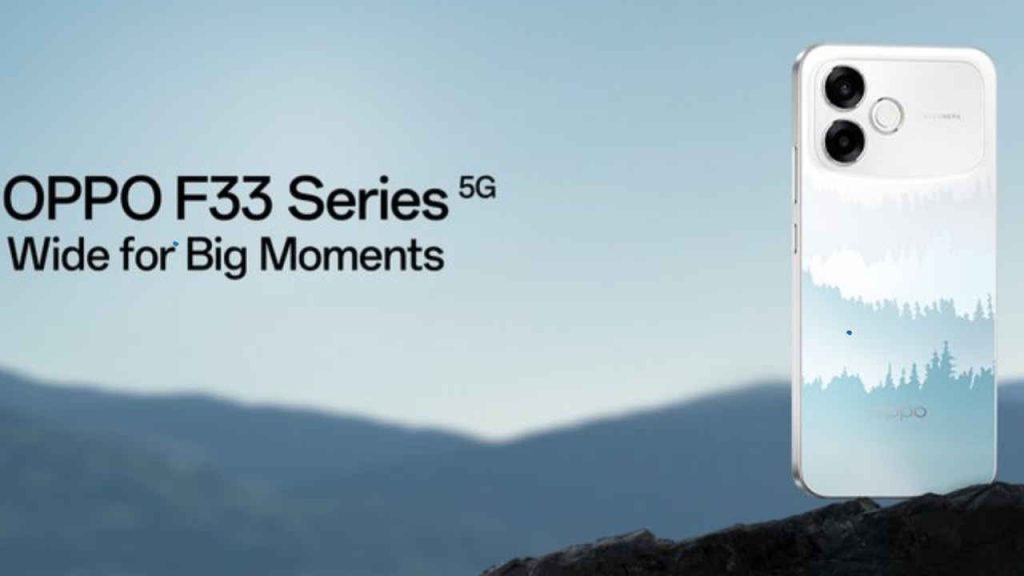
If you’ve ever hesitated to use your phone in the rain, near a sink, or on a dusty construction site — OPPO’s latest launch was built specifically for you. The OPPO F33 Series is officially debuting in India, and it’s bringing a certification that no other mid-range smartphone in the country currently offers: IP69K.
Why India Needed for OPPO F33 Series?
Let’s talk real numbers. A recent Counterpoint Research study on India Smartphone Durability paints a sobering picture:
| Stat | Figure |
|---|---|
| Consumers who’ve repaired phones due to drops/water | 67% |
| Users who avoid phones near water out of fear | 78% |
| Users handling phones with wet hands daily | 85% |
| Battery reliability as top purchase factor | 73% |
| Repair bills between ₹2,000–₹5,000 | 42% |
| Repair bills exceeding ₹10,000 | 8% |
Durability isn’t a luxury anymore — it’s a survival feature for Indian conditions.
IP69K: What Makes It a Game-Changer
Most mid-range phones stop at IP67 or IP68 — decent for a splash or a brief dip. The OPPO F33 Series goes to an entirely different level. As explained on Wikipedia’s IP Code page, IP69K is the most stringent water and dust ingress protection standard available for consumer electronics.
| Protection Level | What It Covers |
|---|---|
| IP6X (Dust) | Zero dust ingress — construction sites, sandy roads, dusty highways |
| IPX9K (Water) | Withstands high-pressure, high-temperature jets (80°C) from all angles |
| Combined IP69K | Monsoons, pools, kitchens, pressure washing — where IP68 devices fail |
This isn’t just a spec upgrade. For a country that endures intense monsoons, dusty summers, and humid coastal climates, IP69K is a genuine quality-of-life improvement.
Military-Grade Durability: Built Like a Tank
OPPO didn’t stop at the IP rating. The F33 Series passed a comprehensive Military-Grade Durability Test suite, including:
- Operation at temperatures up to 63°C and storage at -50°C
- 96 hours of continuous salt spray exposure for coastal protection
- Level 8 gale force winds combined with torrential rainfall
- 14,000 simulated drops from 2.5 metres — 3× the industry standard
- 30-minute immersion at 1.5 metres depth
- Stress testing from -40°C to 75°C at 90% humidity
All testing is conducted at OPPO’s Greater Noida manufacturing facility across 150+ extreme quality checks. That’s not marketing — that’s engineering.
For more smartphone launches and tech reviews, visit TechnoSports.
360° Armour Body: Every Layer Protected
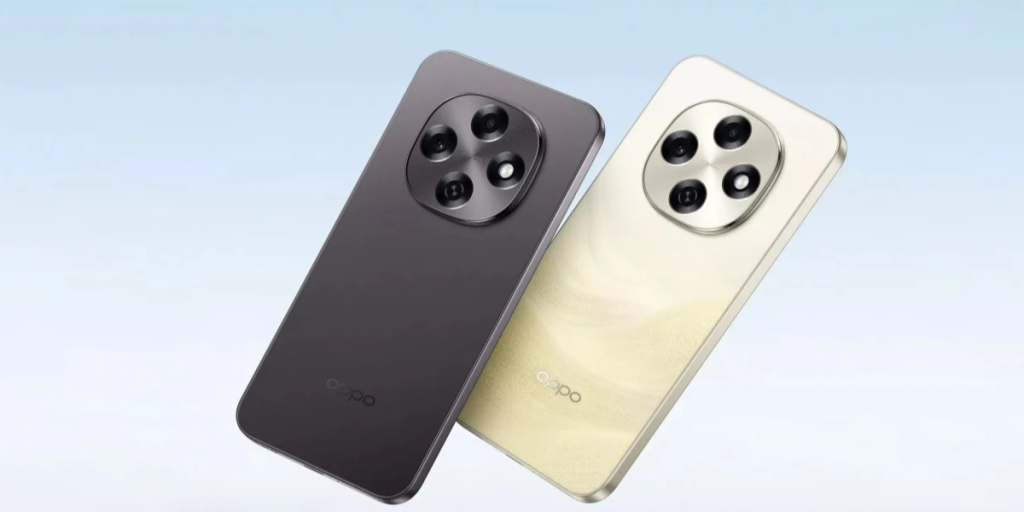
The F33 Series features a diamond-structured build engineered from the inside out:
- Aerospace-grade AM04 aluminium alloy frame with collision beam reinforcement
- AGC DT-STAR D+ thickened screen glass
- Multi-layer airbag cushioning — foam and silicone pads protecting camera, speakers, and battery on impact
- 1.5mm single-piece polymer back cover — 3× thicker than standard designs
7,000mAh Battery Built to Last Five Years
Battery anxiety is real — 73% of Indian consumers call battery reliability their single most important purchase factor. The OPPO F33 Series tackles this with a 7,000mAh five-year durable battery:
| Battery Feature | Detail |
|---|---|
| Capacity | 7,000mAh |
| Longevity | 80% capacity after 1,830 full charge cycles (5 years) |
| Technology | Bio-inspired self-repairing electrolyte |
| Charging Speed | 80W SuperVOOC Flash Charging |
| Extra Features | Reverse charging + bypass charging |
Most smartphones start degrading within 12–18 months. The F33 Series is designed to hold strong for five full years of daily use — drastically reducing the hidden cost of ownership. Check out more budget and mid-range smartphone comparisons on TechnoSports.