Navigating Brooklyn’s chaotic traffic is a daily struggle for commuters, but a new 10-mile street redesign project aims to finally prioritize safety for those on and city streets. Announced on May 6, 2026, this infrastructure overhaul seeks to transform how residents move, potentially mirroring the success seen in global urban mobility models.
Transforming Brooklyn Infrastructure to Improve Safety
The New York City Department of Transportation is targeting a massive 10-mile corridor to reduce vehicular accidents and encourage cycling. While the specific streets haven’t been publicly named yet, the plan includes modern traffic calming measures, expanded bike lanes, and improved signage.
For small business owners, this is complicated. Safer streets might bring more foot traffic, but concerns about delivery access and parking are real worries in the neighborhood.
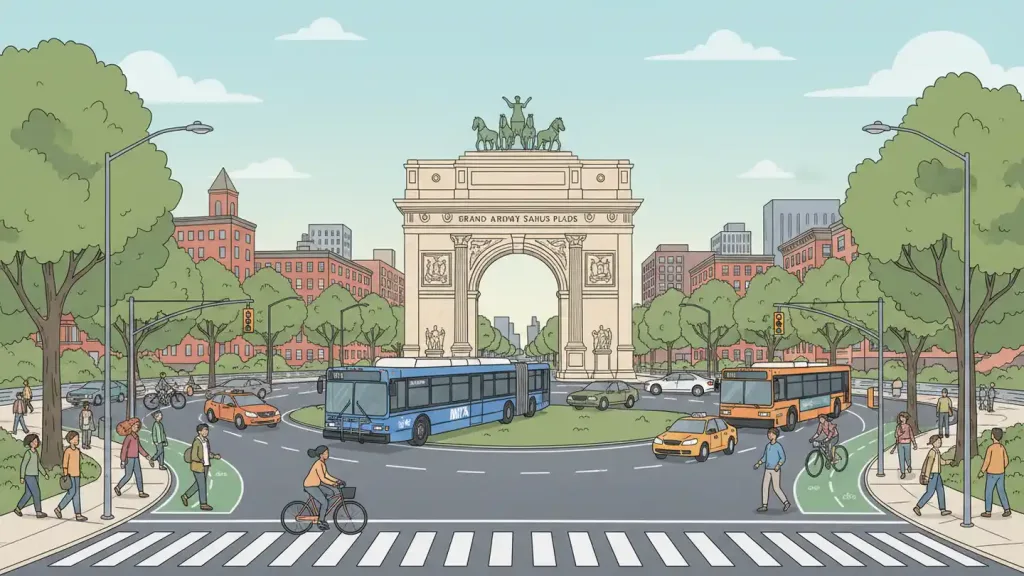
Here’s the thing: balancing commuter safety with commercial logistics is the real challenge. If the city pulls off better bike flow like industry experts expect, we could see a significant drop in accidents. It’s not just about painting lanes—it’s about changing how people think about city transit. The project should wrap up within 12 to 18 months, giving Brooklyn’s aging infrastructure a much-needed boost.
Why This Redesign Matters for Urban Commuters
Will these changes actually get more residents to ditch their cars for bikes? History shows that protected lanes do encourage higher adoption rates, but the city hasn’t released a budget figure, so taxpayers are left guessing about the true investment.
Looking at other cities, one thing’s clear: dedicated space is essential for safety. Cities that commit to protected bike infrastructure see real results.
This initiative fits into a bigger push to modernize how we use our streets. By redesigning these 10 miles, the city is testing a model that could eventually roll out across all five boroughs.
Whether you’re a daily commuter or weekend rider, these updates will change how easy it is to get around. We’re keeping an eye on how the city manages the transition and whether the promised safety improvements actually show up as expected.
FAQs
What is the primary goal of the 10-mile Brooklyn redesign?
The primary goal is to improve bike safety and reduce vehicular accidents through new lanes, traffic calming, and signage.
When will the project be completed?
The city expects the construction and implementation phase to wrap up within 12 to 18 months.
Which specific streets are being redesigned?
As of May 6, 2026, the city hasn’t publicly disclosed which specific streets are included in this 10-mile plan.
What is the main goal of the 10-mile street redesign in Brooklyn?
The main goal is to enhance bike safety and reduce accidents, creating safer streets for all city commuters.
When is the street redesign project expected to begin?
The project was announced on May 6, 2026, with plans to begin as soon as possible to improve urban mobility.
How will the redesign impact car traffic in Brooklyn?
The redesign will prioritize bike lanes and pedestrian pathways, which may shift car traffic patterns, but the city aims to keep vehicle flow efficient.
Will there be any community involvement in the redesign process?
Yes, the city plans to engage with local communities to gather input and ensure the redesign meets everyone’s needs.
Are there any funding sources for the street redesign project?
The project is funded by the New York City Department of Transportation, though the city hasn’t publicly disclosed additional funding sources or specific budget figures.