Shraddha Kapoor is stepping into uncharted territory. In the upcoming film “Eetha,” she embodies Vithabai Narayangaonkar, a legendary folk artiste whose story deserves cinematic celebration. This isn’t just another period drama or biographical film—it’s an opportunity to resurrect a historical figure whose contributions to Indian folk art traditions have been largely forgotten by mainstream audiences. Here’s everything you need to know about Vithabai and why Shraddha’s portrayal matters.
Table of Contents
Who Was Vithabai Narayangaonkar?
Vithabai Narayangaonkar was more than a folk artiste—she was a cultural custodian. Born into a time when women’s artistic expression faced severe limitations, Vithabai broke barriers by establishing herself as a formidable presence in folk music and performance traditions.
Her legacy encompasses not just performance but cultural preservation. In an era when folk traditions were being marginalized by modernization, Vithabai maintained these art forms with fierce dedication. She performed across regions, mentored younger artists, and ensured that folk knowledge wasn’t lost to generational gaps.
The Significance of Vithabai’s Story
What makes Vithabai’s life cinematically compelling is its intersection of personal struggle and cultural significance. She wasn’t just pursuing individual artistic ambition—she was fighting against systemic marginalization of folk traditions and women artists simultaneously.
Her story speaks to contemporary conversations about cultural preservation, artistic legitimacy, and women’s agency in traditionally patriarchal spaces. These themes resonate beyond historical context into modern discourse.
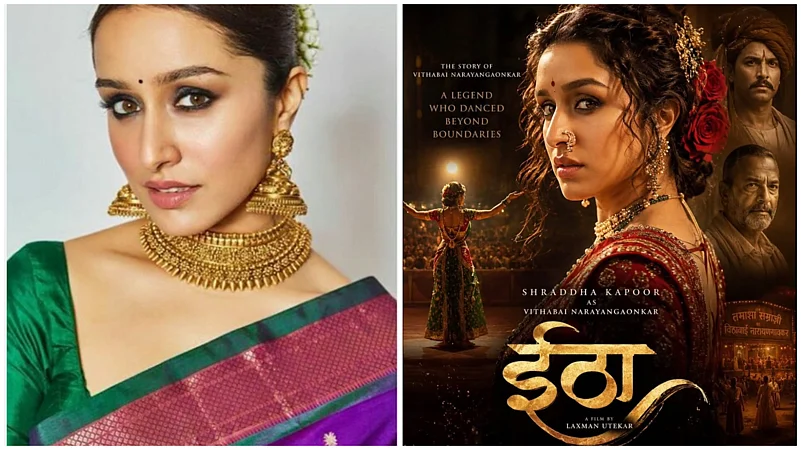
Shraddha Kapoor’s Transformation
| Aspect | Details |
|---|---|
| Actress | Shraddha Kapoor |
| Character | Vithabai Narayangaonkar |
| Film Title | Eetha |
| Genre | Biographical/Folk Drama |
| Time Period | Historical |
| Artistic Focus | Folk performance traditions |
| Significance | Forgotten cultural figure revival |
Why This Role Matters for Shraddha
Shraddha Kapoor’s career has increasingly moved toward substantive, character-driven roles. This portrayal of Vithabai represents a significant departure from her previous work—it’s deeply rooted in historical specificity and cultural significance rather than mainstream commercial appeal.
For an actor of Shraddha’s profile to choose this role signals serious artistic commitment. She’s not coasting on stardom—she’s investing in a character that requires deep research, cultural immersion, and understanding of a legacy most audiences don’t know exists.
That choice speaks volumes about her growth as a performer.
The Challenge of Biographical Accuracy
Bringing Vithabai to screen requires more than stellar performance—it demands accuracy. Folk traditions carry specific musicality, movement vocabulary, and cultural context that can’t be invented. Shraddha would need to study these traditions, work with folk experts, and internalize movements and vocal techniques that define Vithabai’s artistry.
This preparation work rarely receives attention in promotional materials, but it’s often the difference between superficial portrayal and authentic embodiment.
Folk Art Traditions and Cultural Preservation
The film addresses something increasingly important: how cinema can serve as a preservation medium for endangered cultural traditions. As folk art faces marginalization, films can document, celebrate, and revive interest in these traditions.
“Eetha” positions itself as more than entertainment—it’s cultural archival. By dramatizing Vithabai’s life, the film ensures her story, her art, and her legacy remain accessible to audiences who might never encounter folk traditions otherwise.
For comprehensive coverage of Indian cinema and character-driven performances, explore our detailed Bollywood section.
The Biographical Film Genre
Biographical films carry specific responsibilities. They’re not purely fictional—they’re representations of real people’s lives. This demands sensitivity, research, and awareness that portrayals influence how audiences understand historical figures.
Shraddha’s portrayal of Vithabai will shape how audiences perceive this folk artiste. That’s not pressure—that’s opportunity to do justice to a legacy that deserves recognition.
Cultural Context and Modern Relevance
Vithabai’s story existed within specific cultural, social, and historical contexts. Translating that context for contemporary audiences requires careful storytelling. The film must explain why folk traditions mattered, what pressures Vithabai faced, and why her determination to maintain these art forms carried such significance.
That’s sophisticated narrative work—it’s not enough to show Vithabai performing. Audiences need to understand what those performances meant.
The Broader Conversation
“Eetha” participates in a growing conversation about centering marginalized narratives. By focusing on a folk artiste rather than a Bollywood icon or political figure, the film challenges assumptions about whose stories deserve cinematic treatment.
That’s not just filmmaking—that’s cultural commentary.
For more on character studies and biographical cinema, visit our comprehensive film analysis section.
Artistic Legacy and Representation
When films resurrect forgotten figures, they’re making statements about what we collectively value. By centering Vithabai, “Eetha” asserts that folk artistes deserve the same narrative attention as more traditionally celebrated figures.
Shraddha’s portrayal becomes an act of cultural recognition—validating Vithabai’s significance and ensuring her story reaches audiences who might otherwise never encounter it.
The Responsibility of Stardom
Shraddha Kapoor’s choice to embody Vithabai carries responsibility. A mainstream Bollywood actor portraying a folk artiste could either patronize the tradition or honor it. The success of this portrayal depends on genuine engagement with the source material and commitment to respectful representation.
That commitment appears genuine based on the project selection itself.
FAQs
Q: Was Vithabai Narayangaonkar a real historical figure, or is she fictionalized for the film?
A: Vithabai Narayangaonkar was a real folk artiste whose contributions to Indian folk traditions were historically significant. “Eetha” dramatizes her life story while maintaining fidelity to her actual legacy and cultural impact.
Q: What folk traditions did Vithabai specialize in, and will the film showcase these specific art forms?
A: Vithabai was rooted in regional folk traditions that vary by geographic and cultural context. The film is expected to highlight these specific traditions as integral to understanding her artistic identity and cultural significance.