EST0
 ALS0
 WI-A
 LIONS
 GAL
 VFB
 SHK
 SCP
 ATM
 MUN
 BAR
 AVL
 BODO
 LILL
 FEY
 INT
 LAS
 SLB
 Newcastle0
 Everton1
 Deportivo2
 Osasuna1
 Atalanta0
 Parma3
 Lorient0
 Brest2
 ASSAM135
 KNTKA496/5 (117 ov)
 MEGHA144
 NAGA254 & 73/3 (25 ov)
 TPURA268 & 54/4 (22 ov)
 SAU118
 BENG143
 MAHA207/9 (79 ov)
 ODSA
 JHK258/5 (108 ov)
 CHD49/3 (20 ov)
 TN571/7d
 CGR284
 HYD275/9 (83 ov)
 DELHI299/6 (90 ov)
 SVCS266
 GOA397
 BIHAR107 & 63/3 (22 ov) (f/o)
 GUJ534/9d
 KER74/3 (23 ov)
 HP153
 RAJ78 & 297/4 (87 ov)
 J & K149/0 (50.3 ov)
 PONDI385
 NZ
 IND
 UAE
 OMA
 BAN
 WI
 HH-W
 MR-W
 DOLPH
 WPR
 CD
 AUCK
 NED183/3 (36/50 ov, target 183)
 MS-W109 (18.1/20 ov, target 125)
 PS-W124/9
 LUL98/2 (11.4/20 ov, target 98)
 POA97/9
 BIK174/3
 JAB172/7 (20 ov, target 175)
 CHR129/6
 SPR131/5 (16.4/20 ov, target 130)
 KAY180/6
 KAG181/6 (19.4/20 ov, target 181)
 ALH0
 SHO0
 MAN
 ROMA
 Sassuolo2
 Fiorentina4
 CAHN0
 KYO0
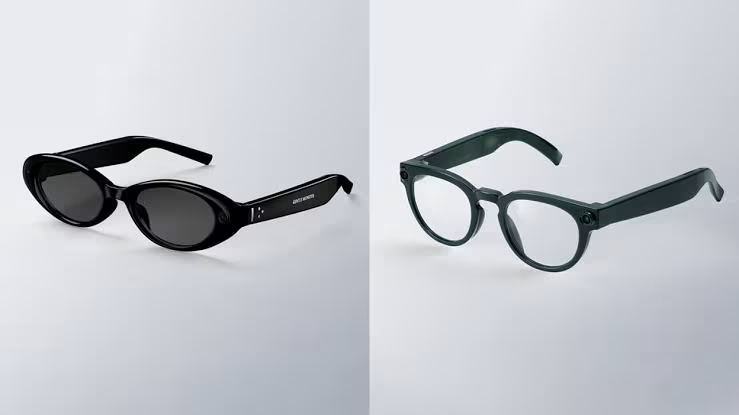
A reported 3,000 mAh battery is expected to fit inside a lightweight frame for Samsung’s Android XR glasses. These wearable displays overlay digital information onto physical surroundings, making them spatial computing devices. Samsung officially announced the development project during an October 2024 earnings call. The announcement set expectations for a North American launch that ultimately missed its original window.
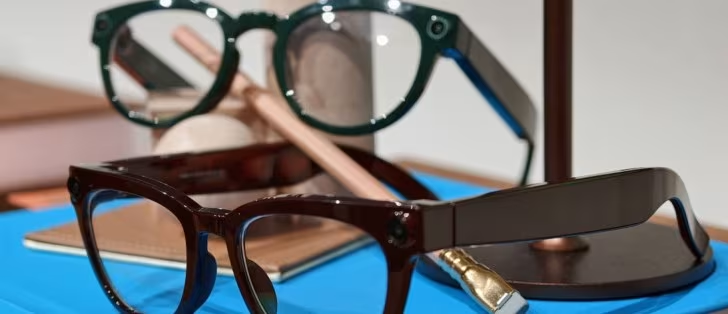
android-xr-glasses-launch-timeline”>Samsung Android XR Glasses Launch Timeline
Shifting Delivery Windows
Samsung initially aimed to begin its US rollout in the third quarter of 2025. September has come and gone, but Samsung still hasn’t announced a confirmed US retail date.
We’ve tracked hardware bottlenecks that pushed back the shipment schedule. Supply chain constraints around the rumoured micro-OLED panels remain the main sticking point. Samsung says US pricing will match premium consumer electronics benchmarks. Until an official MSRP arrives, buyers should expect a premium-level sticker price.
Key Details For The Samsung Android XR Glasses
Snapdragon XR2+ Gen 2 And 16 GB RAM
Reports say the headset runs on Qualcomm’s Snapdragon XR2+ Gen 2 processor. The chip handles real-time spatial mapping without relying on external cloud servers. The reported memory setup is straightforward: 16 GB of unified RAM alongside 256 GB of internal storage.
Sony micro-OLED panels are rumored to handle the visuals. Each lens reportedly offers high pixel density while keeping weight off the nose bridge. A compact 3,000 mAh cell is expected to power the glasses, either inside the frame or in a detached battery pack. That design favors all-day use over bursts of maximum rendering power. The hardware is designed to support longer wear sessions without thermal throttling.
Ecosystem Integration And Market Context
Developer Ecosystem Shifts
Hardware alone won’t sustain spatial computing. The experience also needs smooth software connections across mobile ecosystems. Future firmware will likely tie in closely with Samsung’s existing Galaxy lineup. Recent automotive infotainment updates offer a useful comparison. Local developers will face a steep learning curve as they build native applications.
Independent studios must learn interaction models that move beyond traditional touch controls. Precise motion tracking matters in spatial computing, helping prevent user fatigue. Samsung is taking a different tack, with a focus on everyday productivity rather than gaming. US retail partners could become the first test markets. Regional carriers may bundle connectivity plans with hardware purchases, lowering upfront costs while creating recurring revenue. The shift away from older wearables follows a path similar to the Wear Official, Android platform expansion, where software updates gradually phase out older communication protocols.
Adoption Barriers And Expectations
Consumer adoption will depend on two things: comfort and Best Google Android navigation integrations that smartphones already offer. For players building open ecosystems, cross-platform compatibility remains the ultimate goal.
| Component | Reported Specification | Source Status |
|---|---|---|
| Processor | Qualcomm Snapdragon XR2+ Gen 2 | Unconfirmed |
| Memory | 16 GB Unified RAM | Unconfirmed |
| Storage | 256 GB Internal Drive | Unconfirmed |
| Display | Sony Micro-OLED Panels | Unconfirmed |
Samsung’s Android XR glasses mark a calculated shift toward practical spatial computing. Leaks suggest a solid hardware foundation, though the retail schedule remains uncertain. Official announcements may clear up delivery timing. Keep an eye out for carrier partnerships that could lower the cost of entry.
FAQs
When will Samsung’s first Android XR Glasses be available in the US?
Samsung’s first Android XR Glasses are expected to arrive in the US in early 2024, according to industry reports.
What features can users expect from Samsung’s Android XR Glasses?
Users can anticipate advanced augmented reality capabilities, seamless integration with Samsung devices, and a lightweight design for enhanced comfort.
Read Next
- DLSS 5 Lands in Hogwarts Legacy, War Thunder and Where Winds Meet This November
- KARNAGE Sentinel and Sentinel 82: Two Gasket-Mounted Mechanical Keyboards Built for Diwali Upgrades
- The google suncatcher Satellite Runs AI in Orbit and Sends a Haiku Home
Was this article helpful?
Your feedback directly improves future articles on this site.