WI-A
 LIONS
 GAL
 VFB
 SHK
 SCP
 ATM
 MUN
 BAR
 AVL
 BODO
 LILL
 FEY
 INT
 LAS
 SLB
 Newcastle0
 Everton1
 Deportivo2
 Osasuna1
 Atalanta0
 Parma3
 Lorient0
 Brest2
 ASSAM135
 KNTKA496/5 (117 ov)
 MEGHA144
 NAGA254 & 73/3 (25 ov)
 TPURA268 & 54/4 (22 ov)
 SAU118
 BENG143
 MAHA207/9 (79 ov)
 ODSA
 JHK258/5 (108 ov)
 CHD49/3 (20 ov)
 TN571/7d
 CGR284
 HYD275/9 (83 ov)
 DELHI299/6 (90 ov)
 SVCS266
 GOA397
 BIHAR107 & 63/3 (22 ov) (f/o)
 GUJ534/9d
 KER74/3 (23 ov)
 HP153
 RAJ78 & 297/4 (87 ov)
 J & K149/0 (50.3 ov)
 PONDI385
 NZ
 IND
 UAE
 OMA
 BAN
 WI
 HH-W
 MR-W
 DOLPH
 WPR
 CD
 AUCK
 NED183/3 (36/50 ov, target 183)
 MS-W109 (18.1/20 ov, target 125)
 PS-W124/9
 LUL98/2 (11.4/20 ov, target 98)
 POA97/9
 BIK174/3
 JAB172/7 (20 ov, target 175)
 CHR129/6
 SPR131/5 (16.4/20 ov, target 130)
 KAY180/6
 KAG181/6 (19.4/20 ov, target 181)
 MAN
 ROMA
 Sassuolo2
 Fiorentina4
 CAHN0
 KYO0
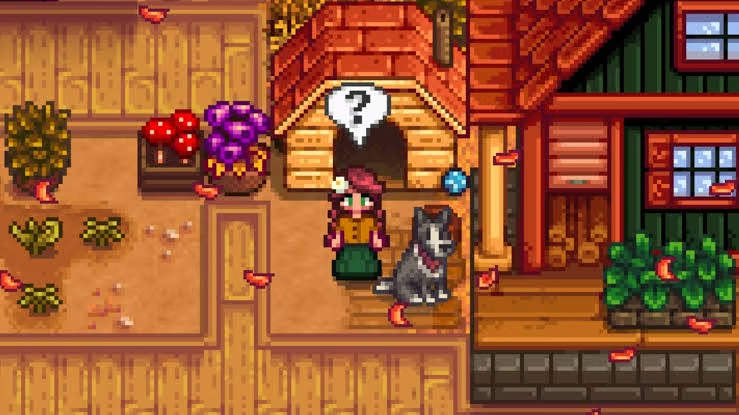
On November 3, 2026, Stardew Valley creator Eric Barone reportedly shared an updated timeline for patch 1.7. Fans now have concrete plans to consider, rather than just speculation.
The Solo-Developer Scaling Crisis
Independent creators face a familiar challenge: meeting huge community expectations while keeping production sustainable. When a title earns long-term relevance, players naturally expect ongoing expansion, not just maintenance.
The challenge is scaling a solo-developer workflow to handle complex codebases without burning out the core team. Studio pipelines can fracture when a project grows beyond its original architectural limits. Industry observers say these content pipeline adjustments resemble those made when the Fauzi movie: Gets extended production schedules to meet visual benchmarks. Managing the tension calls for firm milestone tracking, not open-ended development marathons.
Technical Debt and Feature Bloat Behind the Delay
Technical debt and feature bloat often drive delays in late-stage production. Barone previously shifted focus to his next project, The Haunted Chocolatier, naturally pulling attention away from ongoing maintenance tasks.
Barone has described the 1.7 iteration as the franchise’s largest planned update. Platform compliance frameworks now resemble stricter guidelines, like those seen when the Central Board of Film Certification (CBFC) tightens digital distribution protocols. That scale means longer testing phases and more iteration.
Phased Beta vs. Global Drop Strategies
Publishers are weighing three distinct deployment strategies for large-scale patch releases. Each comes with operational trade-offs that affect creators’ workload and players’ experience. Creators need to choose the method that limits regression failures while keeping the update accessible.
A phased beta lets developers catch critical errors before a full release, but it splits players across different playtest environments. A simultaneous global drop gives everyone instant access, yet a bug missed in final quality assurance (QA) could trigger crashes across the entire infrastructure. Regional staggering eases immediate server pressure, though players may resent waiting for synchronized content drops.
Stabilization Sprints and Player Expectations
The most practical option combines limited public betas with a controlled global launch window. After major content additions, creators should set aside dedicated stabilization sprints to prevent regression failures.
Players benefit more from clear milestone tracking than vague seasonal promises. Trailer timing can follow the pacing used during the Way Warrior Kid promotional campaign. The gaming ecosystem rewards transparency over aggressive marketing, especially for beloved legacy titles. Players who value stability over rapid iteration will likely see the smoothest transition when the patch arrives.
| Deployment Strategy | Creator Workload | Player Impact |
|---|---|---|
| Phased Beta Testing | High | Early feedback loops |
| Global Simultaneous Launch | Medium | Instant access |
| Regional Staggered Release | Low | Delayed regional access |
FAQs
How long will the Stardew Valley 1.7 update take to fully deploy? The rollout depends on final quality assurance and server stress testing, which typically take several weeks before a stable global release. Developers usually build in extra time for unexpected engine conflicts.
Will the largest update affect existing save files and mod compatibility? Major version upgrades often need manual migration tools to preserve player progress across different system architectures. Mod authors generally receive early documentation so they can adjust their scripts before the official launch window. Where can fans follow patch status and development milestones in real time? Official channels share structured progress reports on dedicated developer blogs and social media. Follow verified creator accounts for accurate information instead of relying on third-party speculation forums.
Independent developers need sustainable release schedules, not rushed feature dumps, to protect a franchise’s long-term health.
Source: Screenrant
Read Next
- Avengers: Doomsday Drops 12 New Posters: Thor, Mr. Fantastic, Cyclops and a Towering Doctor Doom
- VisionQuest’s Paladin Twist Makes MCU History: The First Major Villain Snapped by Thanos
- Namor’s New Avengers: Doomsday Suit Revealed: Armor, a Glowing Spear and a Wakanda Alliance
Was this article helpful?
Your feedback directly improves future articles on this site.