Roblox rolled out mandatory facial age verification globally in January 2026 after facing 80+ lawsuits alleging inadequate child protection. While the platform now restricts chat between minors and adults, critics question whether this reactive measure truly addresses systemic safety failures that enabled predators for years.
Roblox Age Verification System Overview
| Feature | Details |
|---|---|
| Launch Date | January 7, 2026 (Global) |
| Verification Method | AI facial scan or government ID |
| Age Brackets | Under 9, 9-12, 13-15, 16-17, 18-20, 21+ |
| Chat Restrictions | Under 9: disabled by default (parental consent required) |
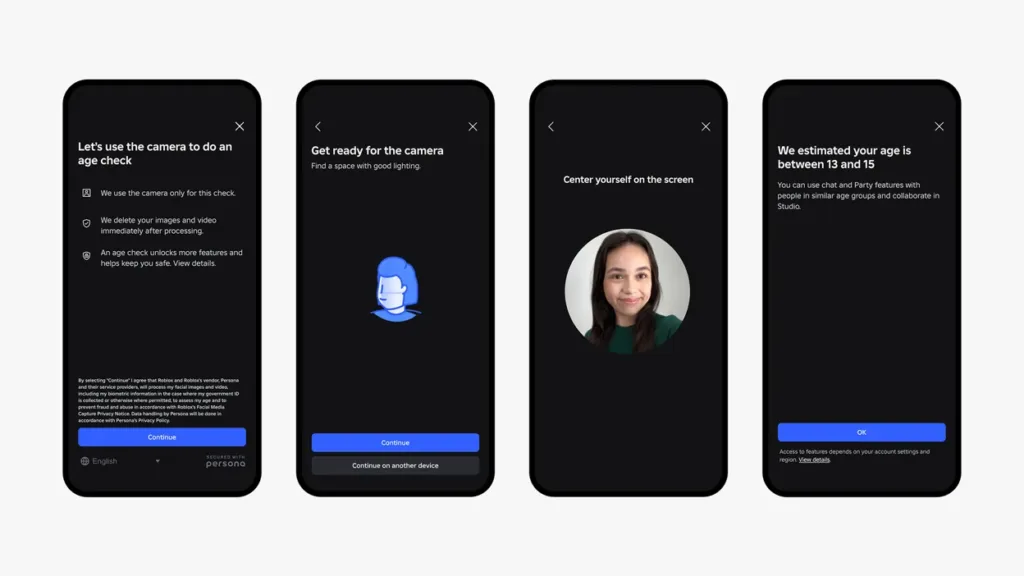
| Data Retention | Facial scans deleted immediately after age estimation |
| Lawsuits Filed | 80+ consolidated in federal MDL court |
| Daily Users | 150 million |

The Safety Crisis Behind the Changes
For nearly two decades, Roblox operated with self-reported birthdates—easily bypassed by changing a date. This passive age gate allowed adults to masquerade as children, using in-game currency (Robux) to financially coerce minors. Lawsuits highlight horrific cases: grooming, sexual exploitation, real-world abductions, and even suicide.
Attorney Matthew Dolman, representing over 1,000 families, asked bluntly: “Why didn’t they do this many years sooner? There was technology available to make this much safer for years now.” State Attorneys General in Texas, Louisiana, Kentucky, and Florida have launched investigations, with Florida calling Roblox a “breeding ground for predators.”
How the New System Works
Users must complete facial scans to access chat features. AI estimates age and places users into appropriate brackets—restricting communication to similar age groups. For example, a verified 12-year-old can chat with ages 15 and under but not 16+.
“Trusted Connections” allow exceptions (siblings, verified real-life relationships), though critics worry this feature undermines age-bracketing protections. Users over 13 can upload government IDs to correct misclassifications.
Implementation Problems Already Emerging
Within days of launch, widespread complaints surfaced: adults misclassified as children and vice versa. Some children were locked into adult categories because parents completed age checks for them. Platform interaction dropped dramatically as the system struggled with 150 million daily users.
Chief Safety Officer Matt Kaufman acknowledged the chaos but defended the long-term vision: “We are building for the next decade of the internet, not the next news cycle.”
Why Lawsuits Continue Despite Changes
December 2025 saw 80+ cases consolidated into federal multidistrict litigation (MDL), with more expected. The lawsuits allege negligent design—that Roblox prioritized growth and engagement over basic safety controls that could have prevented abuse.
Critics argue facial verification alone doesn’t address fundamental issues: slow moderation response, games with explicit content remaining active for weeks despite multiple reports, and financial incentives favoring user engagement over child protection.
Global Regulatory Pressure Mounting
Beyond US lawsuits, international regulators are acting. Russia, Algeria, and Egypt banned Roblox entirely over child safety concerns. Kazakhstan, Netherlands, France, and Indonesia launched investigations or demanded safety improvements, threatening bans if compliance fails.
For more gaming safety news, visit TechnoSports.