NAM321/6 (50 ov)
 IRE
 FCA
 FCU
 KOE
 S04
 M05
 SVW
 RBL
 ELV
 SCP
 HSV
 MEX-W
 ARG-W
 ARS
 EVE
 COV
 FUL
 MOZ19
 UGA23/0 (0.5/20 ov, target 20)
 NZ180/5
 IND181/6 (19.5/20 ov, target 181)
 Ipswich1
 Nottm Forest1
 Alavés1
 Málaga1
 WA105/3 (18.5/50 ov, target 372)
 NSW371/8
 DEN
 KUW
 KENYA
 QAT
 SWD-W
 EPR-W
 TTN-W
 WPR-W
 BOR
 WAR15/1 (2.5/20 ov)
 LIONS
 Limpo21/1 (2.5/20 ov)
 NZ-A135/3 (41 ov)
 IND-A113
 DHA293/3 (84.1 ov)
 RAJ
 MYMS
 CHATT
 RAN320/5 (80 ov)
 BAR
 UAE
 NED
 PAK
 ENG
 IND-W
 ZIM-W
 GMB
 LES
 ZMB
 NGA
 AFG170/3 (34.3/50 ov, target 170)
 ZIM169
 OFC
 NEU
 Torino3
 Monza2
 Brest1
 Nice2
 Stuttgart2
 Gladbach3
 Al Ahli4
 Al Khaleej1
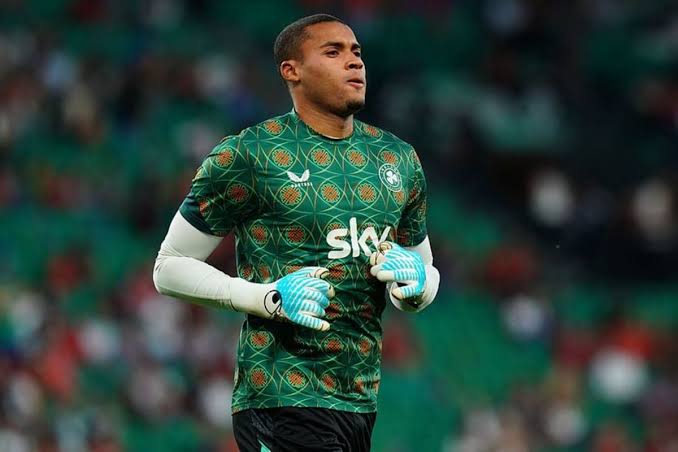
Republic ireland is central here. Republic of Ireland faces an internal crisis before its Union of European Football Associations (UEFA) Nations League match against Israel in Debrecen on Sunday, 27 September 2026, after Gavin Bazunu reportedly told officials he does not want to play.
The squad is due to discuss the fixture after Jason Knight said the match should not go ahead, leaving players, coaches and supporters to weigh sporting duty against personal conviction. The game is scheduled for a 7:45 PM local kickoff at the Nagyerdei Stadion in Hungary. With the disagreement now public, the central issue is no longer simply selection: it is whether the team can prepare together while some players consider boycotting the match.
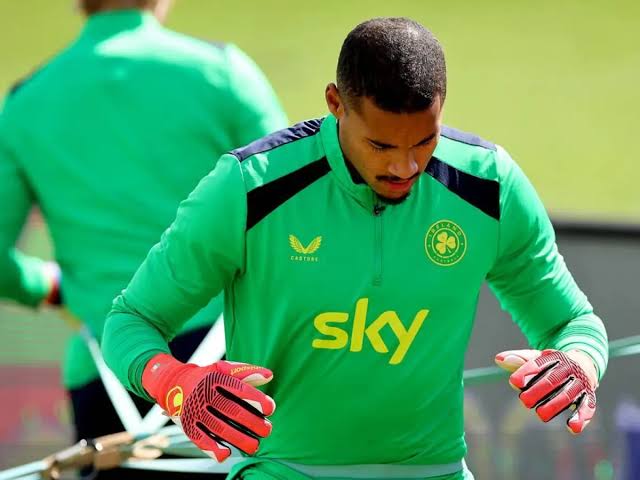
Republic of Ireland Player Considers Boycott: What Happened?
Bazunu’s position emerged on Saturday, 26 September, when reports said the goalkeeper had told officials that he did not want to play against Israel. The same reports said the players’ meeting raised the possibility of more teammates joining a boycott, although no wider withdrawal had been confirmed.
Knight had already made his position clear on Friday, 25 September, saying he did not think the match should go ahead. His intervention moved the issue from private concern into public debate, while Dara O’Shea said that the squad would meet on Friday, 26 September, to discuss how it should approach the fixture. That meeting gives the players a chance to establish a shared position, but it also creates a difficult choice. A collective boycott could express solidarity with the players’ concerns, yet it could bring disciplinary, contractual or reputational consequences for individuals who choose not to participate.
Why the Israel Fixture Has Created a Squad Problem
The dispute concerns the match itself, not a normal tactical or injury selection decision. The fixture is part of a UEFA Nations League double-header, with Ireland’s “home” meeting against Israel scheduled for 4 October 2026 in Backa Topola, Serbia. That scheduling makes the decision more complicated.
Refusing one match may still leave the squad facing the same opponent one week later, while playing both fixtures without agreement could deepen divisions inside the dressing room. The football staff must therefore manage trust and communication before discussing formations, pressing structure or goalkeeper selection. Knight’s public statement and Bazunu’s reported decision show two different forms of pressure. One player has challenged the fixture publicly, while another has communicated his position directly to officials. O’Shea’s statement about the meeting indicates that the squad is searching for a common approach rather than allowing the dispute to remain individual.
The Three Options Facing Republic of Ireland
The first option is to play the match with every selected player available. That protects sporting preparation and avoids an immediate breach with UEFA or team officials, but it risks leaving dissenting players feeling ignored and could overshadow the performance in Debrecen.
The second option is a collective boycott. This would give the players a unified public position and remove the appearance that the disagreement belongs only to Bazunu or Knight. The downside is serious: the team could face sporting consequences, while players may carry personal and professional costs after taking a joint stand. A third route is an individual withdrawal, allowing those who object to refuse selection while the remaining squad plays. That may reduce disruption to the fixture, but it can split the dressing room and place the greatest attention on the players who stay.
| Option | Potential benefit | Main downside |
|---|---|---|
| Play as planned | Preserves sporting preparation | Leaves internal objections unresolved |
| Collective boycott | Creates a unified position | Risks sanctions and wider fallout |
| Individual withdrawals | Respects personal choices | May divide the squad |
What Happens Next Before the 7:45 PM Kickoff?
The clearest next step is a final squad discussion followed by an official decision from the players and team management. If the group reaches a shared position, the coaching staff can prepare the starting lineup accordingly; if not, Bazunu’s availability and the possibility of further withdrawals will remain central to the build-up.
The recommendation is straightforward: if the players can agree on one position, they should communicate it collectively; if they cannot, each player’s decision should be handled transparently and without pressure from teammates. The match remains scheduled for 7:45 PM on Sunday at the Nagyerdei Stadion. Republic of Ireland now needs clarity before tactics. A united decision, whatever its outcome, is the only route to preventing the Israel match from becoming an even deeper dressing-room fracture. It is worth watching how Republic Ireland develops from here.
FAQs
Why is the Republic of Ireland player considering a boycott of the Israel match?
Reports on 26 September said Gavin Bazunu reportedly told officials that he did not want to play in the fixture. The wider reasons behind his personal decision were not detailed in the verified information.
What did Jason Knight say about the match?
Jason Knight said on 25 September that he did not think the game should go ahead.
When is the Israel match?
Israel vs Republic of Ireland is scheduled for Sunday, 27 September 2026, with kickoff listed for 7:45 PM local time.
Where will the match be played?
The fixture is scheduled for the Nagyerdei Stadion in Debrecen, Hungary.
Is there another Israel fixture?
Yes. Ireland’s “home” match against Israel is scheduled for 4 October 2026 in Backa Topola, Serbia.
Was this article helpful?
Your feedback directly improves future articles on this site.