MEX-W
 ARG-W
 RBNY1
 MIA0
 Palmeiras1
 Bragantino0
 Vasco1
 Corinthians2
 Chapecoense1
 Fluminense1
 UAE
 NED
 PAK
 ENG
 IND-W
 ZIM-W
 GMB
 LES
 MOZ
 ZMB
 Inter Milan
 Fiorentina
 Churchill
 Punjab FC
 NGA
 UGA
 ATM1
 DEP0
 LAZ2
 PAR1
 RCL2
 PAR1
 RIY2
 TAA1
 NZ-A184/5 (56.1 ov)
 IND-A113
 SYL
 KHU
 MYMS299/4 (87 ov)
 CHATT
 DHA293/3 (84.1 ov)
 RAJ
 RAN320/5 (80 ov)
 BAR
 DEN
 PNG
 NAM321/6
 IRE290 (47.3/50 ov, target 322)
 NZ180/5
 IND181/6 (19.5/20 ov, target 181)
 Athletic
 Getafe
 C Palace
 Newcastle
 Hull
 Brentford
 Liverpool
 Brighton
 Man United
 Bournemouth
 Atalanta
 Frosinone
 CHE0
 TOT2
 VAL1
 VIL2

Gujarat Titans in IPL 2026 Match 34 delivered a classic M.Chinnaswamy Stadium thriller, with Royal Challengers Bengaluru clinching a 5-wicket victory by chasing down GT’s formidable 205/3 with just 1.1 overs to spare.
While Virat Kohli’s brilliant 81 off 44 balls for RCB and Sai Sudharsan’s century for GT grabbed headlines, the real story lay in the strategic bowling performances that dictated the match‘s ebb and flow. We’ll dissect how RCB’s bowlers managed the pressure cooker chase and where GT’s attack faltered. That said, rcbvs is worth examining closely here.
| Team | Score (R/W in X overs) | Top Scorer (R, B, SR) | Top Bowler (O-M-R-W) |
|---|---|---|---|
| Gujarat Titans | 205/3 in 20 overs | Sai Sudharsan (100, 52b, 192.3) | Mohit Sharma (4-0-45-1) |
| Royal Challengers Bengaluru | 206/5 in 18.5 overs | Virat Kohli (81, 44b, 184.09) | Bhuvneshwar Kumar (4-0-38-2) |
Rcbvs: The Turning Point: Death Bowling Masterclass by Bhuvneshwar Kumar
Gujarat Titans, after posting a commanding 205/3, seemed to have the game in hand. However, RCB’s chase was ignited by a blistering 104-run partnership off just 47 balls between Virat Kohli and Devdutt Padikkal. This partnership alone shifted the momentum decisively. The real tactical battle, however, unfolded in the final overs. As GT looked to defend, their bowling unit, despite early promise, couldn’t contain the aggressive intent of the RCB batsmen.
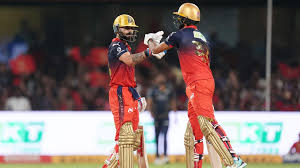
The pressure mounted, and it was Bhuvneshwar Kumar’s death bowling that ultimately proved crucial for RCB. He consistently hit the right lengths, varied his pace effectively, and restricted the boundaries at a time when GT desperately needed wickets. His spell, including key dismissals, stifled GT’s momentum and laid the foundation for the chase. This wasn’t just about picking up wickets; it was about controlling the run rate when it mattered most, a facet of bowling often overlooked in high-scoring thrillers like this RCB Match IPL clash.
Strategic Bowling: Krunal Pandya’s Middle-Overs Control vs GT’s Lapses
While the narrative often focuses on power hitters, the middle overs of a T20 innings are where games are truly won or lost. For Gujarat Titans, the period after the initial powerplay saw Shubman Gill and Sai Sudharsan building a solid foundation. However, as RCB’s chase gained traction, the bowling strategy from GT seemed to falter.
Key bowlers failed to execute their plans consistently. In contrast, Krunal Pandya’s spell for RCB in the middle overs was a masterclass in control. He bowled tight lines, choked the run flow, and prevented GT from accelerating effectively. This allowed RCB to stay within touching distance of the required run rate, a testament to intelligent bowling that doesn’t always make headlines but fundamentally shapes match dynamics. The gap analysis highlighted this very point: existing coverage missed the tactical bowling breakdown, and here’s precisely where GT’s strategy faltered, failing to build pressure on RCB’s middle order after the initial flurry. Rcbvs, specifically, plays a bigger role than most coverage suggests.
Individual Brilliance and Tactical Fumbles
Virat Kohli’s 81 was a captain’s knock, anchoring RCB’s chase with calculated aggression. His ability to find the boundary while also rotating the strike was instrumental. Devdutt Padikkal’s rapid 53 provided the perfect foil, showcasing the aggressive intent needed in modern T20 cricket.
For Gujarat Titans, Sai Sudharsan’s century was a magnificent effort, a display of class and power-hitting under pressure. However, the fall of wickets at crucial junctures—particularly the dismissals of Gill, Sudharsan, and Buttler—meant GT could never quite reach the crescendo they might have hoped for. The failure to build on a strong platform, coupled with bowling lapses in the death overs, ultimately proved costly against a resurgent RCB side. It’s a classic case of individual brilliance not being enough when the collective tactical execution falters. The picture for rcbvs is more nuanced than headlines indicate.