LAZ2
 PAR1
 RCL2
 PAR1
 MEX-W
 ARG-W
 ATM1
 DEP0
 ADO2
 HEE3
 CLB2
 TOR0
 GVFC0
 FCP0
 Internacional2
 Botafogo0
 UAE
 NED
 PAK
 ENG
 IND-W
 ZIM-W
 GMB
 LES
 MOZ
 ZMB
 Inter Milan
 Fiorentina
 Churchill
 Punjab FC
 NGA
 UGA
 RIY2
 TAA1
 CHE0
 TOT2
 VAL1
 VIL2
 DOR1
 SGE0
 NZ-A135/3 (41 ov)
 IND-A113
 SYL
 KHU
 MYMS299/4 (87 ov)
 CHATT
 DHA293/3 (84.1 ov)
 RAJ
 RAN320/5 (80 ov)
 BAR
 DEN
 PNG
 NAM321/6
 IRE290 (47.3/50 ov, target 322)
 NZ180/5
 IND181/6 (19.5/20 ov, target 181)
 Mirassol1
 São Paulo1
 Vitória1
 Athletico-PR1
 Athletic
 Getafe
 C Palace
 Newcastle
 Hull
 Brentford
 Liverpool
 Brighton
 Man United
 Bournemouth
 Atalanta
 Frosinone
 NAP3
 ROMA3
 KHO0
 ETT3

The Australian Grand Prix showed just how much drivers Mastered Race skill and car setup matter. Melbourne’s circuit demands mastery of high-speed corners, hard braking, and tire management over 58 grueling laps. According to BBC Sport‘s driver ratings, the grid had both standout performances and costly errors that separated the winners from everyone else.
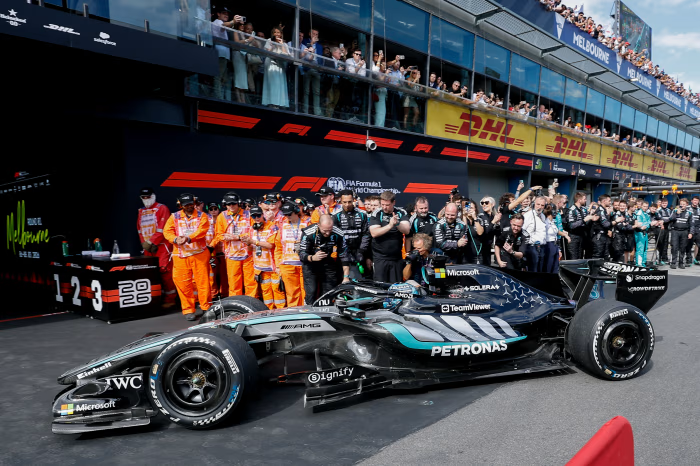
Australian Grand Prix: Why Circuit Mastery Matters for Race Performance
Albert Park doesn’t forgive bad setup choices. Tight corners demand precision. Long straights expose any aerodynamic weakness instantly.
The best drivers understood this balance. They knew when to push in DRS zones and when to preserve tire heat through slower sections. What really stood out? Mid-field drivers couldn’t maintain consistency. Some nailed qualifying but fell apart during the 58-lap grind. That gap between one-lap speed and race pace? It made all the difference between the podium and the back of the field.
Breaking Down Race Performance Data
Harry Benjamin’s ratings revealed three standout performers who truly mastered the conditions. Here’s the thing—pole position didn’t guarantee victory. Tire management and pit-stop strategy mattered just as much.
Drivers who pulled off flawless overtakes in DRS zones gained 0.3-0.5 seconds per lap on their rivals. According to ESPN analysis, how you brake into Turn 1 separated winners from the field. Late braking cost two drivers positions they couldn’t recover. The softest tire compound lasted only 18 laps, which meant pit-stop timing determined the final results.
Strategic Decisions That Shaped Outcomes
Pit-stop execution and tire strategy called the shots. Teams that pulled their drivers in during safety car periods gained huge advantages. One driver took an early pit stop, losing track position but securing fresher tires for the final 15 laps—a risky move that worked.
Others stayed out too long and watched their tires fall apart. The gap widened dramatically in the final stint when tire wear took over completely. Teams managing this variable correctly scored points. Those who miscalculated dropped out of contention.
What Drivers Are Saying
Q: How critical was tire management to your performance?
A: Absolutely everything. One lap of overheating your tires and you’re fighting to recover for the next 10.
Q: Did Melbourne’s layout favor certain car setups?
A: High downforce teams dominated the corners but lost time on straights. It’s always a compromise here.
Q: What separated today’s winners from midfield finishers?
A: Consistency. This isn’t about one brilliant lap—it’s about repeating that lap 58 times.
The Australian Grand Prix proved that winning depends less on raw speed than on systematic execution. Drivers who managed tires well, executed pit stops perfectly, and adapted to changing track conditions took victory. That’s the lesson Melbourne teaches every single season.