Flagship phones are about to get more confusing, but in a way that might actually save your wallet. Qualcomm is reportedly testing two distinct versions of its next-generation 2nm Android chipset — a standard model and a faster “Pro” variant — and the difference comes down to one thing that’s been quietly driving up phone prices all year: memory.
The Two-Tier Breakdown
| Spec | Standard | Pro |
|---|---|---|
| Process node | TSMC 2nm | TSMC 2nm |
| Core clock speeds | Shared | Shared |
| RAM | LPDDR5X | LPDDR6 |
| Storage | — | UFS 5.0 |
| GPU | Standard | Rumored Adreno 850 |
| Target devices | Mainstream flagships | Ultra-tier flagships |
| Est. manufacturer cost | Lower | $300+ per unit |
Both chips reportedly share the same core clock speeds, so on paper the headline performance gap looks smaller than you’d expect. The real separation happens in memory bandwidth and AI workload handling, where LPDDR6 pulls meaningfully ahead.
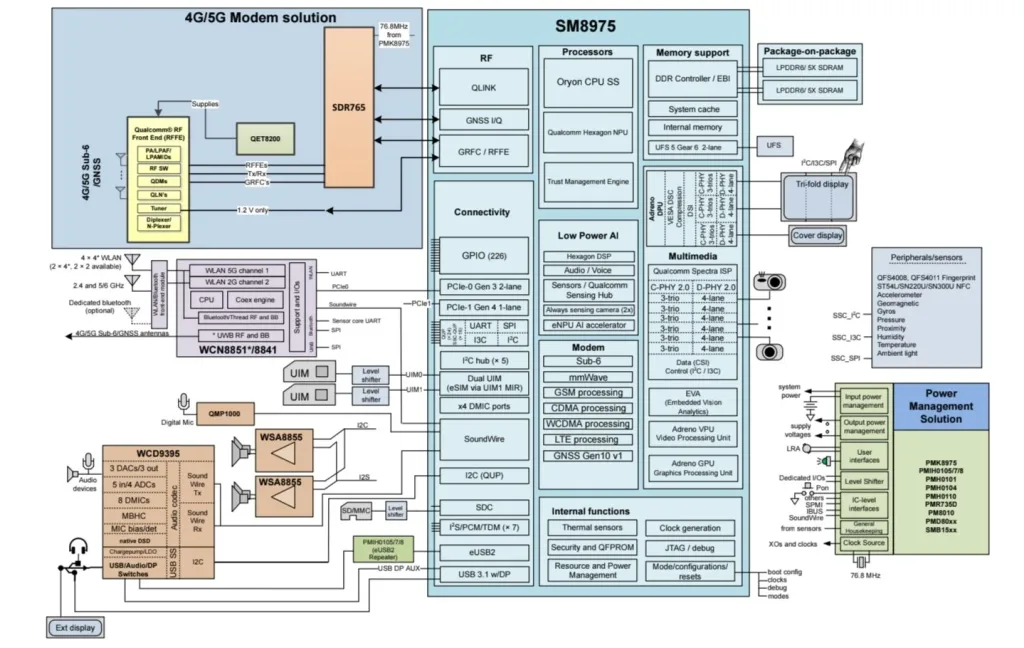
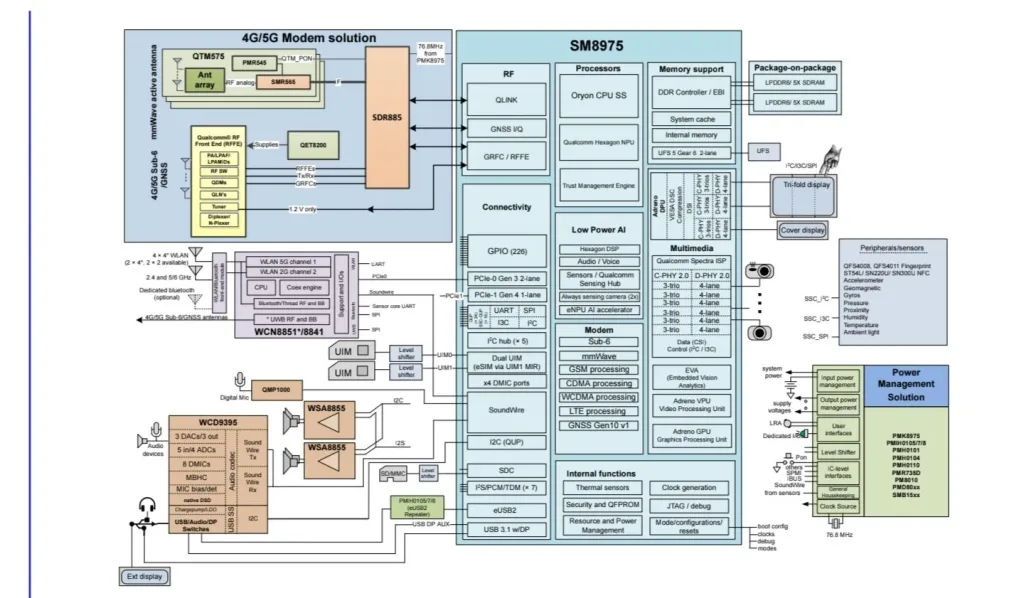
Why Memory Became the Dividing Line
This split isn’t really about Qualcomm holding back performance for marketing reasons — it’s a response to a genuine supply problem. RAM prices have spiked sharply this year as AI chip demand competes for the same memory fabs, and LPDDR6 in particular is scarce and expensive to source at scale. By offering both an LPDDR5X and LPDDR6 path on the same core silicon, Qualcomm lets phone makers pick their price point without redesigning the whole chip platform.
It’s a similar pressure point we flagged when covering the Snapdragon 8 Elite Gen 6 Pro’s thermal challenges — pushing for maximum performance on a 2nm node brings real costs, whether that’s heat management or, in this case, component pricing.
What This Means If You’re Phone-Shopping in 2027
| If You Buy a Standard-Chip Flagship | If You Buy a Pro-Chip Flagship |
|---|---|
| Lower price point | Premium “Ultra” pricing |
| LPDDR5X memory, still fast | LPDDR6 — roughly double the bandwidth |
| Strong everyday + gaming performance | Best-in-class on-device AI performance |
| Likely the broader flagship lineup | Reserved for top-tier Ultra models |
If this plays out the way leaks suggest, expect the Pro variant to show up in devices positioned similarly to how we’ve tracked the Galaxy S27 Ultra’s chip strategy — reserved for the absolute flagship tier, while mainstream flagship and “standard” models lean on the more affordable memory configuration to keep prices in check.
The Bottom Line
Splitting a single flagship chip into two memory-tiered versions is a genuinely new move for Qualcomm, and it mirrors a broader industry shift toward treating premium smartphone chips more like desktop CPU product stacks — same core architecture, different price-to-performance slots.
Whether that benefits buyers depends entirely on how aggressively manufacturers price the LPDDR5X version. If it lands meaningfully cheaper than a Pro-equipped Ultra phone while still delivering near-flagship performance, this could be one of the more consumer-friendly outcomes of an otherwise pricey 2nm generation. We’ll know more once Qualcomm makes things official later in 2026.
Source: Gizmochina, citing leaker Reptalican on X.