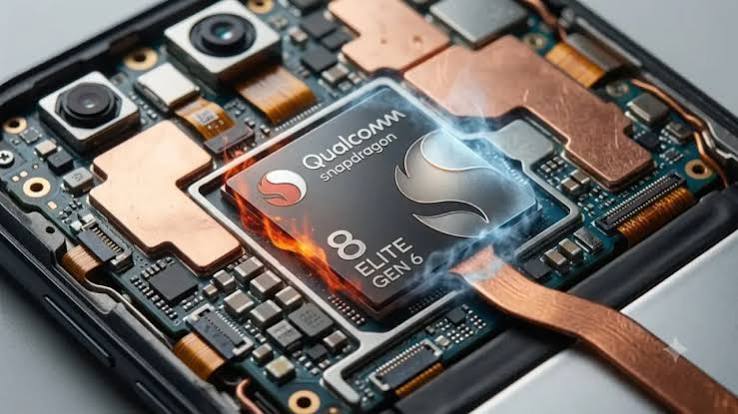
On Sunday, October 18, 2026, Qualcomm denied rumors that the Snapdragon 8 Elite Extreme Gen 6 is overheating. The processor is expected to launch in devices in December 2026, with a reported starting price of $999.
What did Qualcomm say about Snapdragon overheating?
Qualcomm’s announcement responds to claims that its upcoming processor is overheating. But the verified information available doesn’t include a detailed technical explanation, test results or a description of the conditions behind those claims.
That limits what the denial can settle. It confirms the company has rejected the rumors, but offers no independent thermal measurements for consumers to assess. Qualcomm responded on October 18, 2026, putting thermal performance in focus ahead of the chip’s expected arrival in devices. The next question is what the circulated hardware details actually tell us.
What specifications are attached to the Snapdragon 8 Elite Extreme Gen 6?
Leaks describe an octa-core central processing unit (CPU), support for low-power double data rate 5X (LPDDR5X) memory configurations up to 24GB, and Universal Flash Storage (UFS) 4.0 compatibility. They also point to display support of up to 4K resolution at a refresh rate of 144Hz.
These figures suggest a high-end platform. They don’t show how the processor handles sustained workloads or whether a phone can keep temperatures comfortable. Support for 4K at 144Hz is a capability, not a promise that every phone will use that combination. Memory and storage support also depend on each manufacturer’s device configuration. That distinction matters: thermal results depend on the entire phone, not just the processor. So what does Qualcomm’s denial mean for buyers?
Why does the denial matter to flagship phone buyers?
A processor’s heat can affect sustained performance, comfort during gaming and recording, and battery use. But the chipset isn’t the only factor: a phone’s cooling design, software and workload also shape how it behaves.
Qualcomm’s denial addresses concern about the chip, but it can’t replace device-specific testing once finished phones become available. Timing matters, too. Devices using the processor are expected in December 2026, with an anticipated starting price of $999. Neither figure is an announced commitment; both are based on leaks.
What should shoppers watch for next?
Manufacturer announcements and independent reviews of actual phones will be the most useful next steps. Once devices are released, buyers should look for sustained-load results, temperature measurements and any performance changes during extended gaming or other demanding tasks.
The verified information available today includes no such figures, so a firm judgment about real-world heat would be premature. Qualcomm’s statement settles one point: it denies the overheating rumors. It doesn’t publish the measurements needed to compare devices or establish how the chip performs in daily use. Until more details emerge, the reported launch timing and price remain unconfirmed. The next meaningful answer will come from testing complete phones, not from the denial alone.
FAQs
Has Qualcomm confirmed an overheating problem?
No. Qualcomm officially denied the overheating rumors on Sunday, October 18, 2026. The available details include no thermal test results or technical explanation.
When are phones with the processor expected?
The reported timing points to December 2026, but that date hasn’t been officially confirmed.
What is the reported starting price?
The anticipated starting price is $999.
Are the listed specifications official?
No. The octa-core CPU, memory, storage and display figures have been reported but remain unconfirmed. Source: GSMArena
Was this article helpful?
Your feedback directly improves future articles on this site.