
 MBSG
 CFC
 PSG
 LYON
 SEV
 OSA
 NED
 OMA
 NZ
 IND
 NAM
 IRE
 PAK
 SL
 SA
 AUS
 Barcelona1
 Real Madrid2
 Udinese0
 Milan2
 Real Sociedad2
 Levante1
 Lecce0
 Juventus2
 NZ-A317
 IND-A113 & 488/8 (119 ov)
 SYL280/2 (84 ov)
 KHU
 MYMS465/7d
 CHATT318/3 (98.2 ov)
 DHA521
 RAJ103/6 (26 ov)
 RAN402
 BAR179/3 (56.1 ov)
 SIKM
 NAGA187 (72.5 ov)
 JHK
 DELHI226/5 (67 ov)
 ODSA157/7 (64.5 ov)
 SVCS
 BRODA136/3 (43 ov)
 J & K
 CHD211/1 (45.3 ov)
 HP
 CGR
 AP198/8 (61 ov)
 HYD
 PNJB208/5 (64 ov)
 LUL
 SPR
 MOW
 TOK
 BRB
 MIS
 MEX-W51 (12.5/20 ov, target 187)
 ARG-W186/7
 NGA148
 UGA147/9 (20 ov, target 149)
 GMB112/9
 LES109 (19.5/20 ov, target 113)
 MOZ110/7 (19/20 ov, target 110)
 ZMB109/9
 IND-W328/6
 ZIM-W207 (48.5/50 ov, target 329)
 ENG241
 Abha
 Al Faisaly
 Sassuolo
 Lazio
 AS Roma
 Cagliari
 Torino
 Como
 NEF
 ITT
 Sunderland0
 Leeds0
 Freiburg1
 Bayern3
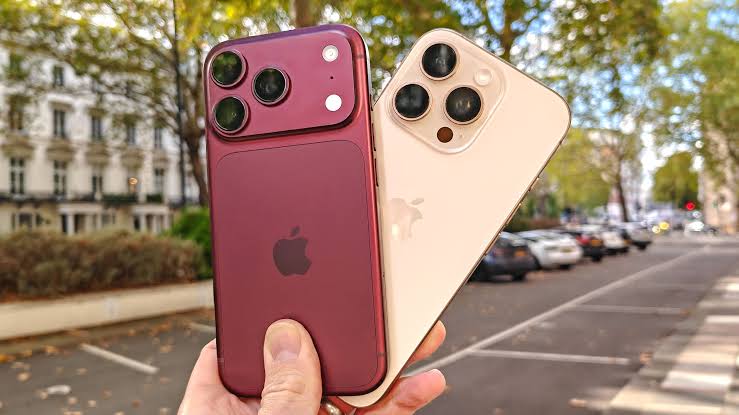
The comparison between the iPhone 18 Pro and the iPhone 16 Pro highlights significant advancements in design and technology. Apple has made notable changes to its flagship device, focusing on materials and performance enhancements that impact user experience. This article delves into the key differences and improvements in the latest models.
The Catalyst For iPhone 18 Upgrades
The introduction of the newer handset forced manufacturers to reconsider material costs and spatial optimization. Engineers reportedly replaced the heavy metal frame with a lighter aluminum enclosure to improve ergonomics. The rear camera module is rumored to flatten into a clean plateau, eliminating the traditional raised bump. Developers reportedly shrunk the notch interface, which freed up valuable screen real estate. These physical adjustments accompany a substantial silicon upgrade that pushes processing boundaries further than previous iterations. For more detail, see OpenAI Blog.
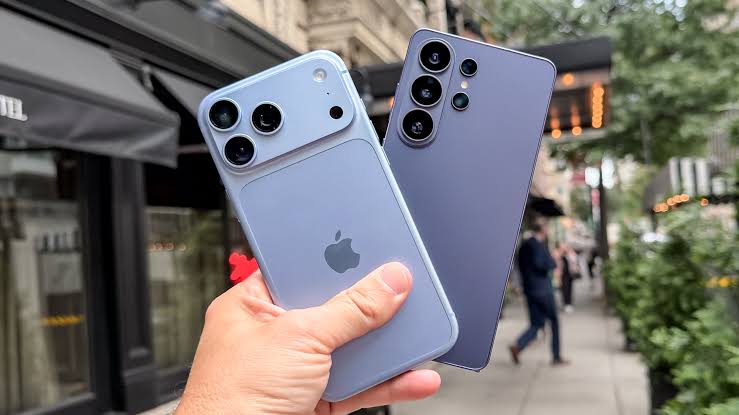
Industry tracking suggests that component consolidation reduces assembly complexity while maintaining rigorous drop-test certifications. Processing capacity now sits at the center of every major mobile purchase decision. The newer device reportedly runs on the A20 processor, which delivers noticeably faster neural engine throughput compared to its immediate predecessor. Memory allocation is rumored to have increased to 12GB of unified memory, allowing complex applications to remain resident in active cache without constant disk swapping. Meanwhile, the older model continues to rely on the A18 processor and maintains its 8GB RAM configuration. Comparing this lineup alongside other flagships like the Samsung Galaxy series shows how memory scaling directly impacts long-term software compatibility. For more detail, see VentureBeat AI.
| Feature | iPhone 16 Pro | iPhone 18 Pro |
|---|---|---|
| Processor | A18 | A20 |
| Unified Memory | 8GB | 12GB |
| Chassis Material | Titanium | Aluminum |
| Base Price | $999 | Information unavailable |
Thermal management remains critical when evaluating sustained performance under load. The flat camera plateau allows engineers to route heat away from sensitive imaging sensors more efficiently. Charging ecosystems also benefit from updated power delivery standards that align with modern travel accessories. Charging solutions now synchronize more effectively with the expanded voltage windows found in contemporary mobile boards.
Purchasing decisions ultimately depend on whether users require heavier computational overhead or prefer established reliability. Professionals running machine learning scripts will notice immediate improvements when making calculations essential for budget-conscious buyers. The latest model comparison suggests that incremental updates matter less than foundational memory expansions. Upgrade only if your workflow demands sustained multi-threaded processing. If you edit 4K video daily, switch now. If you mainly scroll feeds, keep your current device until next year.
FAQs
What distinguishes the memory configurations between these two generations?
The newer handset reportedly utilizes 12GB of unified memory to maintain active applications longer, whereas the predecessor relies on 8GB of RAM.
Does the aluminum chassis compromise structural durability compared to titanium?
Modern aluminum alloys undergo rigorous drop-testing protocols that match industry safety standards without adding excessive weight.
How does the reduced notch size impact actual usable display area?
Shrinking the top bezel reportedly frees approximately three percent of vertical screen space, which benefits portrait-oriented reading layouts.
Will older software versions receive extended support on the newer hardware?
Older software versions will continue to receive support, but compatibility may vary based on hardware capabilities.
Source: Tomsguide
Was this article helpful?
Your feedback directly improves future articles on this site.




