
 Mohun Bagan
 Chennaiyin
 PSG
 Lyon
 Sevilla
 Osasuna
 NED
 OMA
 NZ
 IND
 NAM
 IRE
 PAK
 SL
 SA
 AUS
 BAR1
 RMA2
 UDI0
 MIL2
 RSO2
 LEV1
 LEC0
 JUV2
 BRB76/3 (9/15 ov)
 MOW
 NZ-A317
 IND-A113 & 488/8 (119 ov)
 SYL280/2 (84 ov)
 KHU
 MYMS465/7d
 CHATT134/2 (40 ov)
 DHA521
 RAJ103/6 (26 ov)
 RAN402
 BAR179/3 (56.1 ov)
 SIKM
 NAGA6/0 (1 ov)
 JHK
 DELHI87/1 (26 ov)
 ODSA81/1 (27 ov)
 SVCS
 BRODA57/1 (21 ov)
 J & K
 CHD87/0 (19 ov)
 HP
 CGR
 AP75/4 (18 ov)
 LUL
 SPR
 TOK
 MIS
 MEX-W51 (12.5/20 ov, target 187)
 ARG-W186/7
 NGA148
 UGA147/9 (20 ov, target 149)
 GMB112/9
 LES109 (19.5/20 ov, target 113)
 MOZ110/7 (19/20 ov, target 110)
 ZMB109/9
 IND-W328/6
 ZIM-W207 (48.5/50 ov, target 329)
 ENG241
 Abha
 Al Faisaly
 Sassuolo
 Lazio
 Neftchi Fergana
 Al Ittihad
 Besiktas
 Istanbul BB
 Caykur Rizespor
 Trabzonspor
 SUN0
 LEE0
 SCF1
 MUN3

Pokhara University announced a 30-credit-hour artificial intelligence programme on March 15, 2026, addressing a critical shortage of AI expertise in Nepal’s rapidly evolving tech sector. The curriculum launches August 1, 2026, with an initial cohort of 100 students.
Pokhara University’s AI Programme Begins August 2026 With Industry Partnerships
This new AI programme marks Pokhara University’s boldest tech move yet. Starting August 1, 2026, students will dive into a 30-credit-hour curriculum covering machine learning, natural language processing, and robotics—the three core areas of modern artificial intelligence.
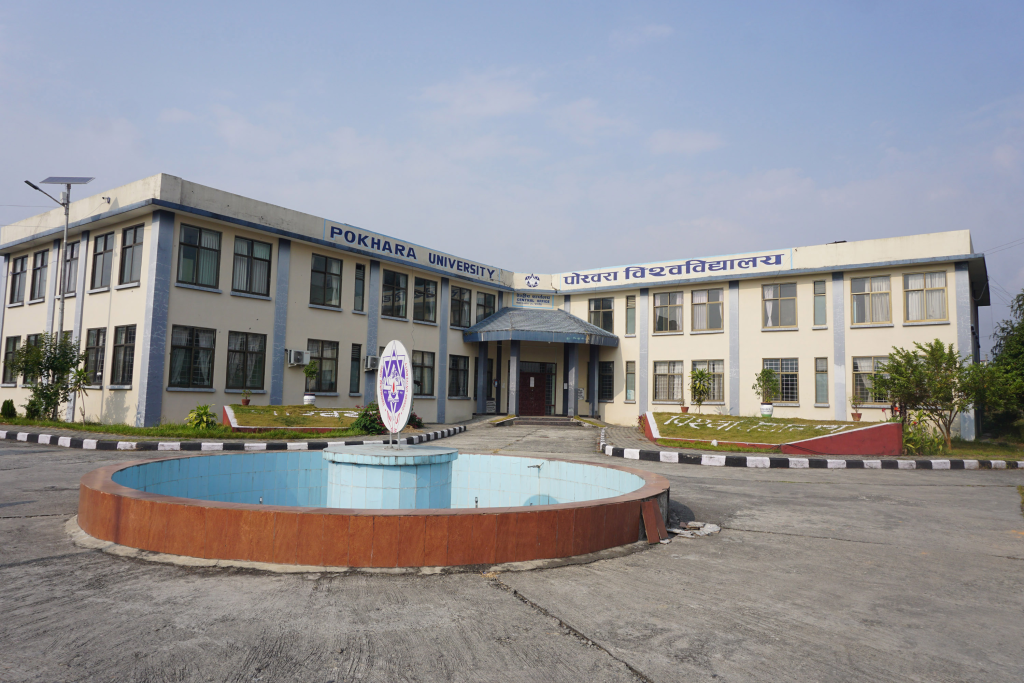
The university has partnered with local tech firms to bring real-world applications straight into the classroom. That means students won’t just learn theory; they’ll work on actual problems companies are solving right now.
Here’s what sets this apart from typical computer science degrees: it’s built around Nepal’s specific challenges. Instead of abstract AI concepts, instructors will walk students through real cases—agricultural automation, rural healthcare diagnostics, infrastructure monitoring. These aren’t textbook problems; they’re issues that directly shape Nepal’s economy and people’s lives.
This approach transforms AI from a distant academic subject into something practical and relevant. But the university isn’t stopping at curriculum design.
Students will land internships through partnerships with established tech companies, creating a direct path from graduation to a job. That employer-aligned model has worked well at other South Asian universities, and Pokhara University’s approach shows real confidence in what its graduates can do.
Why Nepal Needs AI Talent Now: The Skills Crisis and Economic Opportunity
Nepal’s tech sector is growing fast, but there’s a serious talent problem holding it back. The country’s software exports and IT services have grown 18% annually over the past three years. Yet fewer than 200 AI specialists work across Nepal’s entire tech ecosystem.
That’s a massive gap. Companies desperately want trained AI engineers, but almost nobody’s producing them. Pokhara University’s programme fills that void directly.
With 100 graduates in the first year alone, the university will essentially double Nepal’s pool of formally trained AI professionals in a single academic year. Future batches will keep building on that momentum, creating a steady supply of talent for local companies and potentially positioning Nepal as a credible AI services hub for international work.
There’s another angle worth considering: this programme opens doors for students who’ve been left out of tech education. Pokhara sits in western Nepal and acts as a regional education center, making it far more accessible than Kathmandu for learners from surrounding areas.
That geographic advantage matters. Students from rural and semi-urban backgrounds won’t need to migrate or spend money they don’t have to access advanced training. The programme can tap into talent pools that typically get locked out of opportunities.




