MBSG
 CFC
 PSG
 LYON
 SEV
 OSA
 NED
 OMA
 NZ
 IND
 NAM
 IRE
 PAK
 SL
 SA
 AUS
 Barcelona1
 Real Madrid2
 Udinese0
 Milan2
 Real Sociedad2
 Levante1
 Lecce0
 Juventus2
 NZ-A317
 IND-A113 & 488/8 (119 ov)
 SYL280/2 (84 ov)
 KHU
 MYMS465/7d
 CHATT318/3 (98.2 ov)
 DHA521
 RAJ103/6 (26 ov)
 RAN402
 BAR179/3 (56.1 ov)
 SIKM
 NAGA187 (72.5 ov)
 JHK
 DELHI226/5 (67 ov)
 ODSA157/7 (64.5 ov)
 SVCS
 BRODA136/3 (43 ov)
 J & K
 CHD211/1 (45.3 ov)
 HP
 CGR
 AP198/8 (61 ov)
 HYD
 PNJB208/5 (64 ov)
 LUL
 SPR
 MOW
 TOK
 BRB
 MIS
 MEX-W51 (12.5/20 ov, target 187)
 ARG-W186/7
 NGA148
 UGA147/9 (20 ov, target 149)
 GMB112/9
 LES109 (19.5/20 ov, target 113)
 MOZ110/7 (19/20 ov, target 110)
 ZMB109/9
 IND-W328/6
 ZIM-W207 (48.5/50 ov, target 329)
 ENG241
 Abha
 Al Faisaly
 Sassuolo
 Lazio
 AS Roma
 Cagliari
 Torino
 Como
 NEF
 ITT
 Sunderland0
 Leeds0
 Freiburg1
 Bayern3
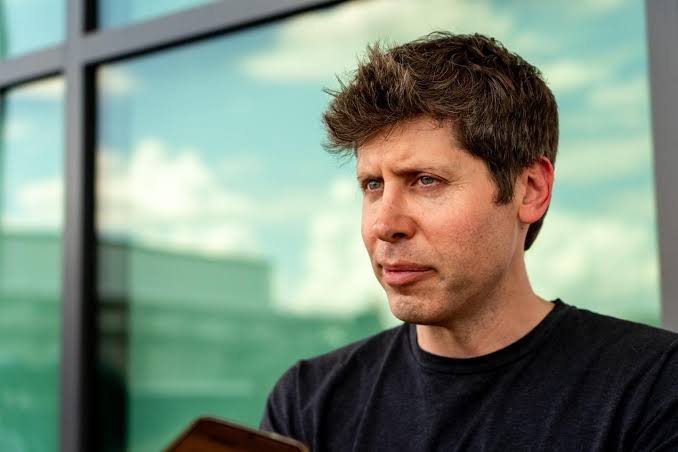
On Monday, October 5, 2026, OpenAI CEO Sam Altman talked about artificial Intelligence risks head-on. The timing matters. His company is rolling out a next-generation safety framework—details of which remain unconfirmed—just as Microsoft’s multi-billion-dollar partnership keeps OpenAI’s safety choices tied to one of the technology industry’s largest commercial relationships.
So risk management now sits at the centre of OpenAI‘s next phase. That raises a practical question too: can a safety framework keep pace with AI systems that grow more capable by the month?
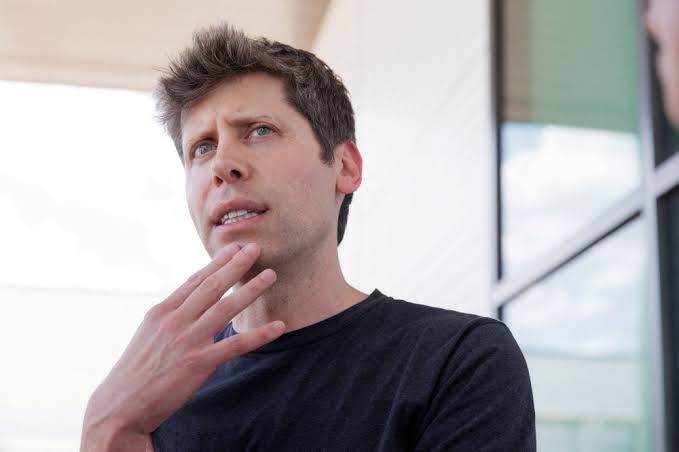
What did the OpenAI CEO say about AI risks?
Sam Altman, OpenAI‘s chief executive officer, addressed artificial Intelligence risks on October 5, 2026. What we don’t have is a full transcript, technical thresholds, or a detailed list of safeguards. So treat specific claims about the framework’s design with care. The clearest confirmed development is that OpenAI has connected its leadership messaging with a new safety framework.
That link matters. Broad warnings about AI risks only mean something when they turn into release rules, monitoring procedures, incident reporting, and clear responsibilities for human oversight. The company’s position also arrives after earlier public debate about whether frontier AI development requires controls comparable to other high-risk technologies. Our coverage of a Former OpenAI Employee examined that wider regulatory argument. The October announcement, though, concerns OpenAI’s own internal safety direction.
Why does OpenAI’s safety framework matter now?
OpenAI was founded in December 2015 as a non-profit artificial Intelligence research organisation, and Sam Altman assumed the chief executive role upon its founding. Its primary headquarters is at 3150 19th Street in San Francisco, California. The company’s institutional history makes the framework more than a public-relations statement.
OpenAI began with a research-led mission. Then it built a major commercial relationship with Microsoft, which created pressure to advance products while addressing risks linked to increasingly capable systems. That tension isn’t unique to OpenAI. Still, the company’s decisions receive close attention because its research, products, and business partnerships connect safety policy with real-world deployment. The framework will matter most if it explains when systems can be released, what testing is required, and who can pause deployment after a serious failure.
What AI risks must OpenAI address?
The confirmed information does not identify the specific risks discussed by Altman. Within the supplied facts, OpenAI has not published measurable thresholds for model capability, misuse, autonomy, cyber risk, privacy, or misinformation. A credible framework needs measurable controls rather than general assurances.
Think about what that looks like. Documented testing before release. Monitoring after deployment. Access restrictions for high-risk capabilities. A process for investigating harmful incidents. The distinction is important, because a framework can describe principles without defining enforcement. OpenAI’s next step should therefore be to publish the scope of its safety commitments, the teams responsible for decisions, and the circumstances under which a model launch can be delayed.
What happens next for OpenAI and Microsoft?
The next stage is likely to focus on transparency. OpenAI’s October 5 statements establish the direction of the conversation, but the public still needs the framework’s confirmed text, Was this article helpful? Your feedback directly improves future articles on this site.