SA329 & 92/2 (27.2 ov)
 AUS429
 BAN272
 WI134/4 (48 ov)
 ENG386/5
 SL186/4 (29.2/50 ov, target 387)
 AFG0/1 (0.3/20 ov)
 ZIM
 KHA
 HAZ
 FRO
 LEC
 NSR
 KHO
 RIY
 QAD
 FIO
 ATA
 NZ
 IND
 NAM
 IRE
 Abha
 Al Ittihad
 UAE199/6 (47.3/50 ov, target 197)
 OMA196
 Genoa2
 Juventus0
 Monza1
 Napoli4
 Milan2
 Bologna4
 WELL
 OTAGO
 BIK186/7
 KAY145/6 (16/20 ov, target 187)
 SWD144/7 (17.4/20 ov, target 158)
 TITNS157/6
 MOW48/2 (7/20 ov)
 VAG
 SBP172 & 165/7 (59.4 ov, target 237)
 MITS112 & 296
 SOA154
 WA406/5d & 79/6 (29 ov)
 BH-W
 SS-W
 MIS
 TOK
 DEN
 JER
 KUW
 PNG
 EAGLE
 TUSK
 RHINO
 MOUNT
 IND-W133/2 (17/50 ov, target 132)
 ZIM-W131
 MS-W192/4
 HH-W174/8 (20 ov, target 193)
 JAB116/2 (17.2/20 ov, target 116)
 KAG115
 LIONS204/1 (18/20 ov, target 199)
 EASTN198/6
 NorthEast
 Bengaluru
 Al Diriyah
 Neom SC
 Parma0
 Udinese0
 Venezia0
 Inter Milan2
 GOA1
 SC Delhi1
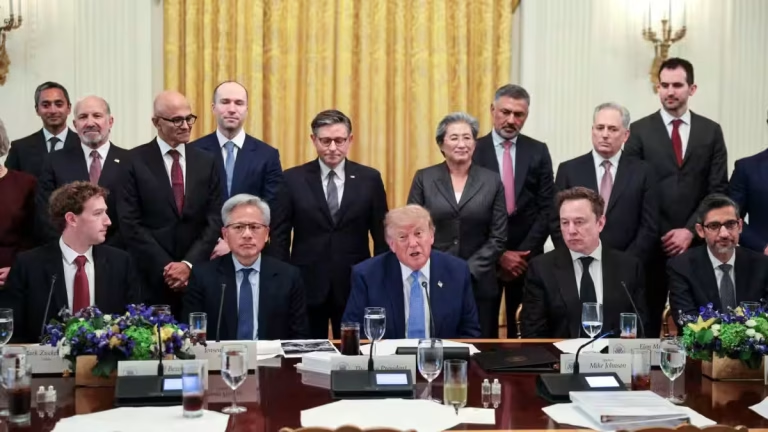
A policy document released by OpenAI in San Francisco on Friday, October 2, 2026, argues that the Trump AI accord needs substantially more technical and regulatory detail before its framework can work in practice.
The company’s policy executives made the case from OpenAI’s headquarters at 3180 18th Street, while Sam Altman remains its chief executive officer. The executives’ assessment of the framework is based on an unconfirmed policy position, not a published implementation rule. That distinction matters because the release identifies a problem with the accord’s level of detail without setting out a complete alternative.
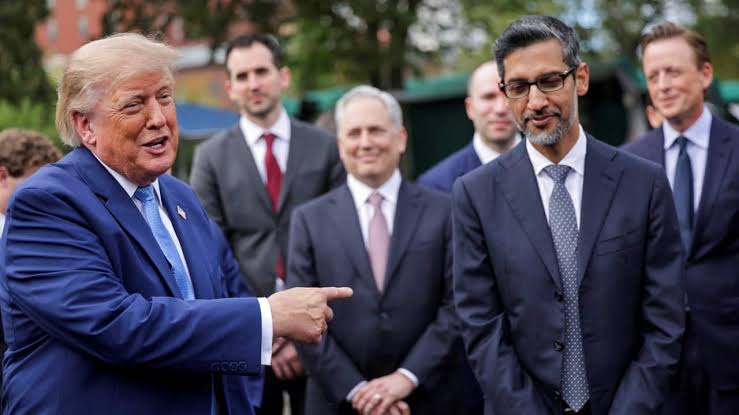
Trump Orders Agencies, which examined the government’s broader AI direction. For more detail, see OpenAI Blog.What the Trump AI Accord Still Does Not Explain
The release does not publicly establish a full technical standard, a compliance timetable, or a defined regulator for the accord. It also does not provide a detailed list of model capabilities that would trigger additional obligations. Those omissions leave important questions unanswered for developers and enterprises. Who would verify compliance? Which technical tests would apply?
Would the same requirements cover a consumer chatbot, an enterprise model, and a system used in critical infrastructure? These are not minor drafting issues. Technical definitions determine which systems fall inside a rule, while regulatory definitions determine who carries responsibility when an AI system causes harm or fails a safety requirement. OpenAI’s argument therefore moves the discussion away from broad statements and towards measurable controls. The company’s position also has a commercial dimension. OpenAI operates products and services across consumer and enterprise markets, so unclear requirements could create different obligations across jurisdictions. Our earlier report on it Tells Axios provides further context for the administration’s emerging approach to AI leadership. For more detail, see VentureBeat AI.
The 2019 Origin Behind the Current Policy Debate
The administration’s original AI initiative was introduced during Donald this’s presidency through Executive Order 13859 on February 11, 2019. That order provides the historical reference point for current discussions, even though the latest OpenAI argument focuses on the present accord’s missing detail.
The policy conversation has changed since then. AI systems now operate across cloud platforms, software tools, customer-service products, research workflows, and public-sector applications, creating more complicated questions about supervision and accountability. That history explains why OpenAI is pressing for precision rather than another statement of intent. A policy framework drafted around general national goals may not answer how modern models should be evaluated, documented, monitored, or restricted. The company’s San Francisco headquarters is now the setting for a policy argument shaped by a much broader AI market than the one addressed in 2019.
What Happens Next for OpenAI and Policymakers?
The next stage will depend on whether policymakers convert the accord’s broad framework into detailed obligations. OpenAI’s public position gives the administration a clear test: identify the technical benchmarks, regulatory authority, reporting duties, and enforcement mechanisms that companies would actually follow.
The company may face criticism for seeking rules that could make compliance more predictable for established AI developers while increasing costs for smaller competitors. That concern is specific and valid. Yet vague obligations can also favour the largest firms because only companies with extensive legal and compliance teams can absorb uncertainty. OpenAI’s argument keeps the focus on implementation. If the accord gains more detail, it could become a practical policy instrument; if not, it may remain a statement of intent.
The future of the accord will be decided less by its headline commitments than by the rules written underneath them.
FAQs
What did OpenAI argue about the AI accord?
OpenAI policy executives argued that the framework requires significantly more technical and regulatory detail to become effective. The position has not been presented as a complete replacement framework.
When did OpenAI release its policy argument?
OpenAI publicly released the policy argument on Friday, October 2, 2026. The position was formulated at the company’s headquarters in San Francisco, California.
What is Executive Order 13859?
Executive Order 13859 was introduced on February 11, 2019, during Donald Trump’s presidency as the administration’s original AI initiative. It remains the historical reference point for current policy discussions.
Was this article helpful?
Your feedback directly improves future articles on this site.