
 SA329 (82.3 ov)
 AUS
AUS BAN
BAN WI
WI IND-W
IND-W ZIM-W
ZIM-W GOA
GOA SC Delhi
 Milan
Milan Bologna
 Parma
Parma Udinese
 Venezia
 Inter Milan
 Genoa
Genoa Juventus
 Monza
Monza Napoli
 ROMA4
ROMA4 CAG2
CAG2 TOR1
TOR1 COMO3
COMO3 SAS2
SAS2 LAZ6
LAZ6 AFG177
 ZIM140 (19.1/20 ov, target 178)
 AUCK
AUCK CANT
CANT CD
CD ND
ND SIKM184
 NAGA187 & 58/4 (42.2 ov)
 JHK131/4 (47 ov)
 DELHI515/5d
 ODSA194
 SVCS13/0 (5 ov)
 BRODA616
 J & K6/0 (4 ov)
 CHD685/5d
 HP49/0 (14 ov)
 CGR216/8 (95 ov)
 AP231
AP231 HYD193/2 (54 ov)
 PNJB431
 KNTKA297/7 (95 ov)
 TPURA194
 KER101/6 (35 ov)
 BENG350
 UAE
UAE OMA
OMA ENG
ENG SL
SL DEN
DEN QAT
QAT KENYA
KENYA KUW
KUW POA
POA SPR
SPR PAK110
 NAM316/7
 IRE253 (44.5/50 ov, target 317)
 NZ198/3
 IND199/4 (13.2/20 ov, target 199)
 NED371/5
 JAB113 (19.3/20 ov, target 133)
 KAY132/9
 Al Khaleej
 Al Hazem
 Gamba Osaka
 Buriram
 ABH0
ABH0 ALF1
ALF1 Sevilla2
 Osasuna0
 PSG2
PSG2 Lyon0
Lyon0
In a stunning revelation that defies traditional tech depreciation, NVIDIA CEO Jensen Huang just dropped a bombshell: GPUs from six years ago are actually increasing in price. Let that sink in for a moment—technology that’s half a decade old is becoming more valuable, not less.
Speaking at recent industry events, Huang noted that demand for NVIDIA’s products is “sky high” and pointed out that GPUs sold six years ago are increasing in price, highlighting sustained market interest in AI hardware. This unprecedented phenomenon reveals just how voracious the AI industry’s appetite has become.
The Numbers Behind the Madness
The AI boom isn’t slowing down—it’s accelerating at breakneck speed. According to NVIDIA, the company’s data center business has exploded to $51.2 billion in recent quarters, dwarfing gaming revenue of just $4.3 billion. That’s a staggering 12x difference, and it explains why even ancient GPUs are commanding premium prices.
AI Buildout Timeline
| Aspect | Details |
|---|---|
| Projected Duration | 7-8 years for complete AI infrastructure buildout |
| Current Demand Level | “Sky high” across all GPU generations |
| Price Trend | Even 6-year-old GPUs seeing price increases |
| AI Investment | Projected $5.2 trillion by 2030 (McKinsey) |
| US Tech CapEx | Nearly $400 billion in 2026 alone |
| Data Center Share | 92% of NVIDIA’s business focus |
Why Old GPUs Are Hot Property
Here’s where it gets fascinating: rental prices for GPUs are increasing not just for the latest generation, but for two-generation-old GPUs, driven by the explosion of new AI companies and companies shifting their R&D budgets.
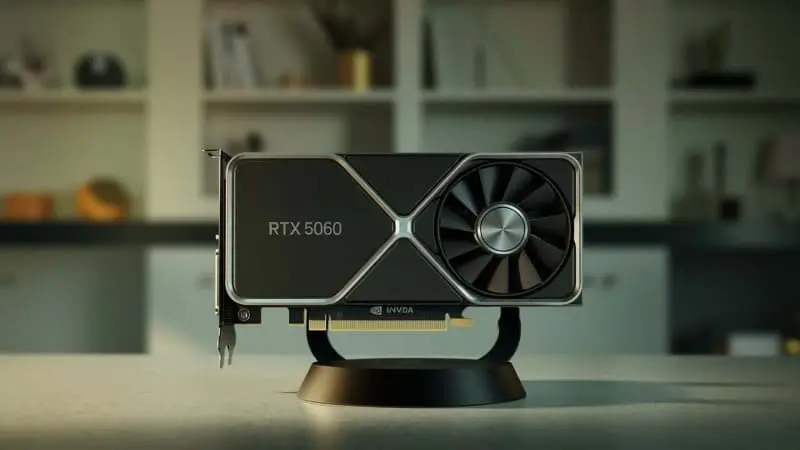
Think about what this means for the gaming industry. That RTX 3060 you bought years ago? It’s not depreciating like your smartphone or laptop—it’s appreciating like vintage wine. AI startups are so desperate for compute power they’ll pay premium rates for hardware gamers considered outdated.
The Gaming Casualty
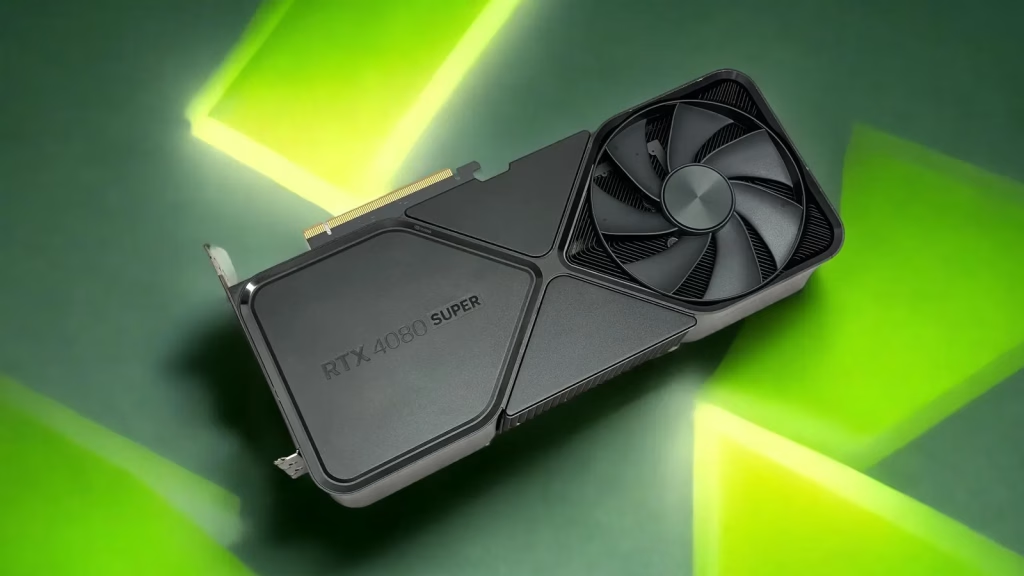
Unfortunately, there’s a dark side to this AI frenzy. GPU pricing is facing a squeeze from both ends, with increasing RAM costs and dwindling supply causing price increases on NVIDIA’s top GPUs. The flagship RTX 5090, which launched at $1,999, now sells for over $4,000 at some retailers.
Even more concerning for gamers: NVIDIA reportedly won’t release new gaming GPUs throughout 2026, with the RTX 60 series potentially delayed until 2028. This creates an unprecedented three-to-four-year gap between major gaming GPU generations—a stark departure from the traditional two-year cycle.
Real-World Impact
| Old Strategy | New Reality |
|---|---|
| GPUs depreciate like cars | Six-year-old GPUs gaining value |
| Two-year upgrade cycles | Three to four-year gaps emerging |
| $2,000 flagship pricing | $4,000+ due to AI demand |
| Gaming-first priority | AI takes 92% of production |
What’s Fueling This Insanity?
The answer lies in AI’s compute hunger. Huang mentioned that AI companies like Anthropic and OpenAI are “making money” but remain “computer constrained,” indicating they need more computing resources to expand their operations.
It’s not just ChatGPT-style applications either. Banks, credit networks, e-commerce platforms, and advertisers spend hundreds of billions annually on data processing. Every transaction, every recommendation, every targeted ad runs on these GPUs—creating demand that far outstrips supply.
The Investment Angle
For the financially savvy, this creates an unusual opportunity. GPUs are becoming quasi-investment assets. CoreWeave reported that their NVIDIA A100 chips from 2020 are fully booked, and H100 chips from 2022 immediately rebooked at 95% of their original price when contracts expired.
Companies are even pegging AI chip lifespans at six years for depreciation purposes, betting these technological assets will retain value far longer than traditional computing hardware.
What This Means for You
Whether you’re a gamer frustrated by skyrocketing prices, an investor eyeing the AI boom, or simply a tech enthusiast watching this unfold, one thing is crystal clear: we’re witnessing a fundamental shift in computing economics.
GPUs aren’t just graphics cards anymore—they’re the picks and shovels of the AI gold rush. And like the original California Gold Rush, the tool makers are getting rich while everyone else scrambles for supply.
Huang’s prediction? This buildout continues for another seven to eight years. Translation: don’t expect GPU prices to normalize anytime soon.
Bottom line: That old GPU gathering dust might be your most valuable tech asset right now. The AI revolution isn’t coming—it’s already here, and it’s rewriting all the rules.
Sources: CNBC, Tom’s Hardware, Yahoo Finance


