NZ
 IND
 NAM
 IRE
 MOZ
 UGA
 Aston Villa
 Man City
 Rayo
 Elche
 GMB
 ZMB
 NGA
 LES
 Cagliari
 Bologna
 IPS1
 NFO1
 ALA1
 MCF1
 TOR3
 MON2
 BRE1
 NICE2
 TAS67/4 (15.4/50 ov, target 305)
 VIC304/7
 NZ-A133/1 (39.2 ov)
 IND-A113
 DHA
 RAJ
 MYMS
 CHATT
 RAN
 BAR
 SYL
 KHU
 UAE
 NED
 PAK
 ENG
 IND-W
 ZIM-W
 AFG170/3 (34.3/50 ov, target 170)
 ZIM169
 DOLPH56/0 (3.5/8 ov, target 56)
 SWD51/4 (8/8 ov)
 WSW1
 BRI1
 Como
 Sassuolo
 Augsburg
 Union Berlin
 Cologne
 Schalke
 Mainz
 Bremen
 RB Leipzig
 Elversberg
 VFB2
 BMG3
 AHL4
 KHA1
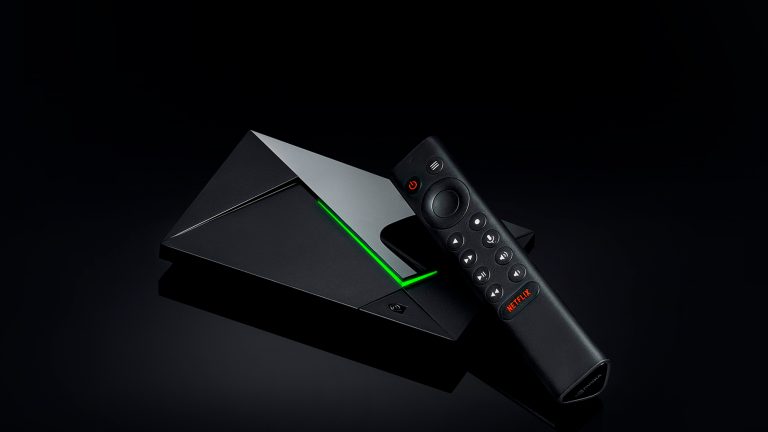
The reported arrival of an Anker Nano charging solution alongside legacy hardware highlights how quickly consumer electronics pricing shifts when supply chains tighten. The NVIDIA Shield TV Pro launched on October 28, 2019, with an official base
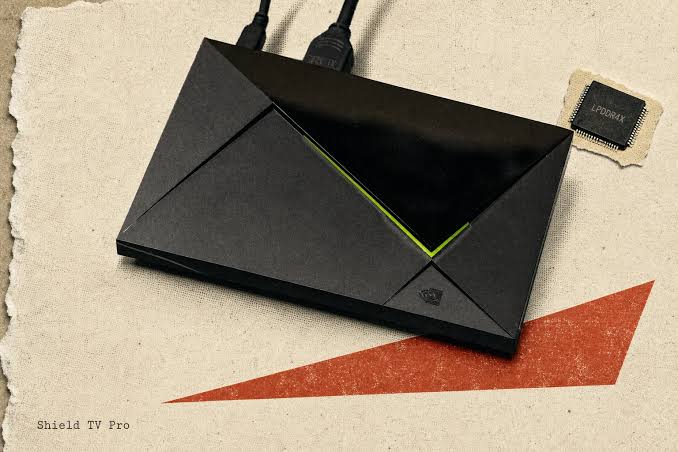
What Happened to the NVIDIA Shield TV Pro Pricing?
Media players can rely on shared semiconductor inventory to maintain their original market value. The streaming device originally targeted dedicated enthusiasts who demanded uncompressed audio fidelity and high-resolution video output. Memory chip allocation prioritizes enterprise training clusters over consumer peripheral manufacturing.
As a result, manufacturers absorb higher procurement fees before passing those expenses directly to shoppers. That said, early adopters who purchased the unit during its initial release window could have secured their hardware at the standard baseline rate. The underlying supply chain mechanics remain identical across all digital endpoints, setting the stage for understanding broader memory constraints. The 50% increase is the key change for current buyers.
How Does an Anker Nano Relate to Broader Memory Shortages?
Data center expansion requires massive quantities of specialized memory modules designed for heavy computational workloads. Engineers deploying large language models demand consistent bandwidth to process complex inference tasks efficiently. When hyperscalers purchase available DRAM inventory, downstream consumer goods lose access to affordable components.
Developers following @karpathy often discuss how architectural efficiency can offset hardware limitations, yet physical scarcity still dictates final retail tags. Teams at @OpenAI and @AnthropicAI continuously push model sizes larger, acceleMag Safe Charger alignment protocols reportedly caused widespread accessory delays last year. Supply constraints never respect product categories, forcing buyers to evaluate how specialized accessories intersect with core computing needs. AI memory shortages remain the central pressure affecting these. For more detail, see OpenAI Blog.
Memory allocation disputes will continue influencing peripheral pricing throughout the remainder of the decade.
Can Older Chips Like the Tegra X1+ Survive the New Market Reality?
Custom silicon architectures must balance raw processing power against rising component acquisition costs. The NVIDIA Shield TV Pro utilizes a proprietary Tegra X1+ processor reportedly capable of handling intensive multimedia pipelines without excessive thermal generation. The device comes equipped with 3 GB of LPDDR4 RAM to manage simultaneous decoding operations for broadcast television and streaming applications.
Internal flash storage provides 16 GB of capacity, which users can easily expand through standard external drives. Video playback reaches 4K Ultra HD resolution while maintaining Dolby Vision HDR and HDR10 compliance across compatible displays. Audio support includes Dolby Atmos and DTS-X surround sound pass-through. gamers relying on GeForce Now reportedly experience minimal latency despite aging architecture. Stable thermal management reportedly ensures consistent performance, prompting questions about long-term viability for aging hardware. For more detail, see VentureBeat AI.
Managing Thermal Performance During Extended Sessions
The custom processor maintains reportedly stable ope
Component Specification Processor NVIDIA Tegra X1+ Memory 3 GB LPDDR4 RAM Storage 16 GB Internal Video Output 4K Ultra HD Connectivity USB 3.0 Type-A What causes the NVIDIA Shield TV Pro
Industry-wide AI memory shortages drive the retail
How does the Tegra X1+ processor handle modern workloads?
The custom silicon reportedly manages intensive multimedia pipelines efficiently. It supports simultaneous decoding operations for broadcast television and streaming applications.
Can users expand the internal storage capacity?
Built-in flash storage provides 16 GB of capacity. Owners can easily add external drives through standard USB ports.
Are there any connectivity limitations?
Physical ports include two USB 3.0 Type-A interfaces. A Gigabit Ethernet port ensures stable wired network connections. Legacy hardware retains undeniable functional value, proving that thoughtful upgrades beat impulsive purchases every single time.
What impact do AI memory shortages have on consumer electronics pricing?
AI memory shortages have led to increased retail
How does the NVIDIA Shield TV Pro compare to competitors like Samsung and AMD?
The NVIDIA Shield TV Pro reportedly faces similar inventory pressures as competitors from Samsung and AMD. All these companies are reportedly navigating the challenges posed by the current market conditions, which affect their product availability and pricing strategies.
Source: Tomshardware
Was this article helpful?
Your feedback directly improves future articles on this site.