NZ121/3 (15.1/20 ov)
 IND
 NAM49/2 (10.5/50 ov)
 IRE
 MOZ
 UGA
 AVL
 MNC
 RAY
 ELC
 GMB
 ZMB
 NGA
 LES
 CAG
 BOL
 COMO
 SAS
 FCA
 FCU
 Ipswich1
 Nottm Forest1
 Alavés1
 Málaga1
 Torino3
 Monza2
 Brest1
 Nice2
 WA
 NSW199/3 (31/50 ov)
 DEN
 KUW
 KENYA
 QAT
 SWD-W
 EPR-W
 TTN-W
 WPR-W
 NZ-A135/3 (41 ov)
 IND-A113
 DHA
 RAJ
 MYMS
 CHATT
 RAN
 BAR
 SYL
 KHU
 MEX-W
 ARG-W
 UAE
 NED
 PAK
 ENG
 IND-W
 ZIM-W
 AFG170/3 (34.3/50 ov, target 170)
 ZIM169
 TAS137 (25.2/35 ov, target 276)
 VIC304/7 (50 ov)
 CHE0
 DYI0
 CHO1
 QIN0
 HEN1
 BEI0
 LIA1
 ZHE0
 QWC1
 YUN0
 SHX0
 Shanghai Shenh0
 TIG0
 SHP0
 WTT1
 SHT3
 KOE
 S04
 M05
 SVW
 RBL
 ELV
 Stuttgart2
 Gladbach3
 Al Ahli4
 Al Khaleej1
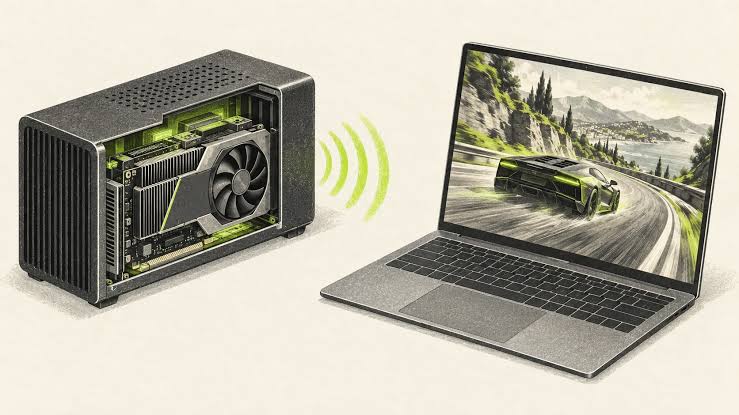
Wici announced on Friday, October 2, 2026, that it is preparing the WiCi GeForce featuring an NVIDIA GeForce RTX 5060 Ti. The announcement places local server architecture, rather than a standalone graphics enclosure, at the centre of the hardware concern. Details are based on an unconfirmed announcement supplied for this report, and WiCi has not publicly provided a fuller technical account.
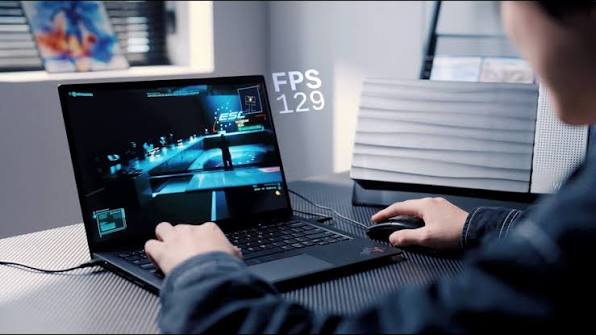
Before The Announcement: Wireless GPU Bottlenecks
External graphics cards rely on thick physical cables to bridge the gap between a host computer and heavy silicon in a separate box. This requirement severely limits where gamers can place their rigs and introduces constant latency when moving high-resolution frames.
Traditional desktop setups force users into cable management nightmares, while laptop owners rarely access the raw rendering power needed for modern games. The issue stems from fundamental limitations in how data moves between two machines. Competitive players require portable graphics expansion without sacrificing connection speed.
What Changed: Wici GeForce Introduces A Complete Local Server
The device replaces that physical tether by utilizing Wi-Fi 7 connectivity to transmit data directly to the external unit. The graphics card is rumoured to feature 16GB of GDDR7 VRAM to handle complex visual workloads efficiently.
Instead of acting merely as a display adapter, the enclosure is expected to house an Intel Core 3 100U processor, 1TB of NVMe 4 storage, and dedicated cooling infrastructure. This setup functions as an entire PC local server rather than just a standalone graphics enclosure.
After The Reveal: How The Wici GeForce Compares To Traditional Desktops
Running a full ope
Before And After: Traditional Desktops Compared
The shift from wired expansion to integrated computing changes how enthusiasts view their workspace. Evaluating these specifications reveals why this approach appeals to mobile creators in 2026.
| Feature | Wired External GPU | WiCi Wireless Unit | Standard Desktop Tower |
|---|---|---|---|
| Connection Type | Physical Cable | Wi-Fi 7 | Internal Bus |
| Processing Power | Depends on Host | Built-in CPU & RAM | Dedicated CPU & RAM |
| Portability | Limited Mobility | High Mobility | Stationary Only |
| Storage Capacity | Limited Host Space | Reportedly 1TB to 4TB Drives | Multiple Drive Bays |
Buyers opting for this model are effectively purchasing a secondary machine rather than just a video card upgrade. For more detail, see Gizmodo.
What Happens Next For Users Of The Wici GeForce?
The Amazon Fire Actually streaming ecosystem. The WiCi GeForce solution ultimately requires accepting a premium for wireless convenience and built-in computing power.
FAQs
What internal components does the wireless external GPU contain?
The unit reportedly houses an Intel Core 3 100U processor with 16GB of GDDR7 memory and 1TB of NVMe storage.
How does the wireless connection impact gaming performance?
The reportedly 11.52-Gbps Wi-Fi 7 link introduces slight input delays compared to direct cable connections, limiting competitive use cases.
Will there be more powerful versions available later?
Yes, the manufacturer reportedly plans to release an RTX 5090 variant featuring 32GB of VRAM and a stronger Intel Core Ultra 7 processor.
Why is this device considered a local server instead of a simple adapter?
It operates as an independent computer with its own processing core, rather than relying entirely on the connected host machine.
Source: Techradar
Was this article helpful?
Your feedback directly improves future articles on this site.