NZ66/3 (9.5/20 ov)
 IND
 NAM23/1 (3.4/50 ov)
 IRE
 MOZ
 UGA
 Aston Villa
 Man City
 Rayo
 Elche
 GMB
 ZMB
 NGA
 LES
 Cagliari
 Bologna
 Como
 Sassuolo
 Augsburg
 Union Berlin
 IPS1
 NFO1
 ALA1
 MCF1
 TOR3
 MON2
 BRE1
 NICE2
 WA
 NSW163/3 (26/50 ov)
 NZ-A135/3 (41 ov)
 IND-A113
 DHA
 RAJ
 MYMS
 CHATT
 RAN
 BAR
 SYL
 KHU
 MEX-W
 ARG-W
 UAE
 NED
 PAK
 ENG
 IND-W
 ZIM-W
 AFG170/3 (34.3/50 ov, target 170)
 ZIM169
 TAS137 (25.2/35 ov, target 276)
 VIC304/7 (50 ov)
 WSW1
 BRI1
 Cologne
 Schalke
 Mainz
 Bremen
 RB Leipzig
 Elversberg
 VFB2
 BMG3
 AHL4
 KHA1
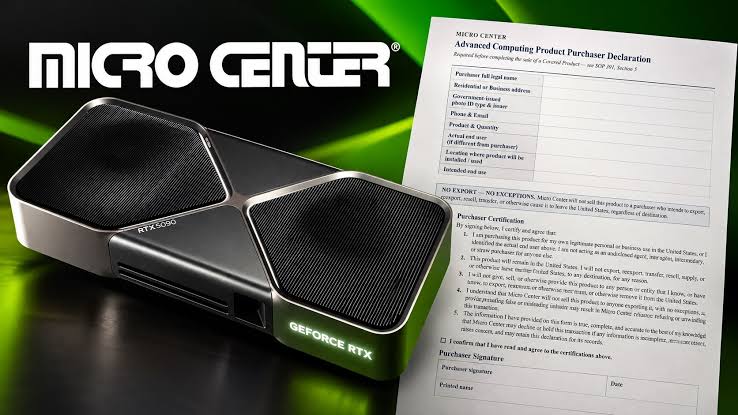
On October 3, 2026, Micro Center announced a strict anti-scalping policy targeting illicit exports of the NVIDIA GeForce RTX 5090. The move closes a loophole that has allowed scalpers to divert the $1,999 graphics card into secondary markets for over a year.
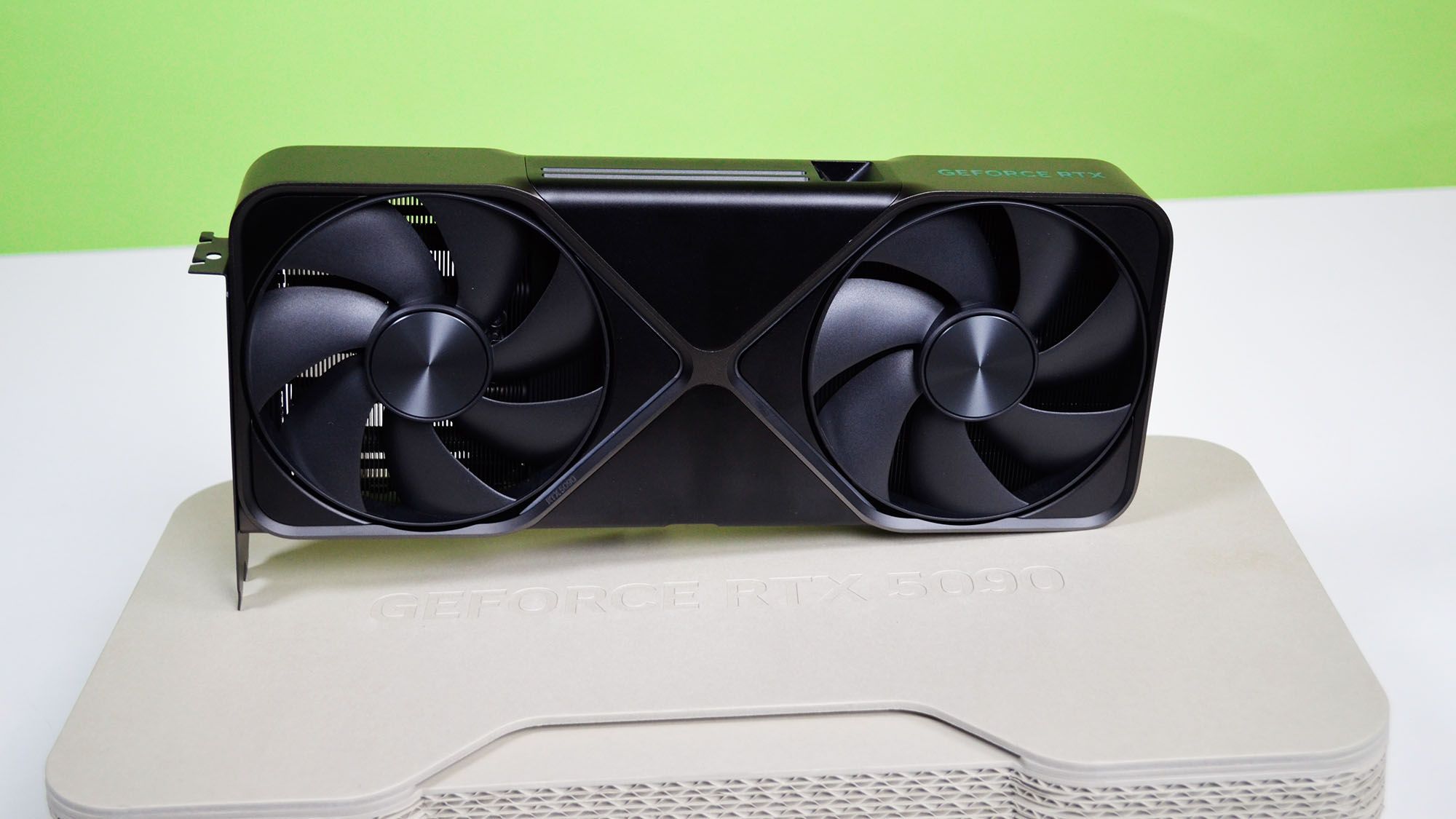
Before the Micro Center Policy: RTX 5090 Sales Followed the Standard Retail Model
Before the announcement, buyers approached the RTX 5090 as a high-January 30, 2025. The $1,999 msrp already placed the card above the budgets of most mainstream PC builders. However, that
What Changed: Micro Center Targets Illicit RTX 5090 Exports
The October 3, 2026 announcement changes the retail response from passive availability management to an explicit anti-scalping policy. The retailer has identified RTX 5090 exports as a problem significant enough to warrant stricter controls, although the announcement does not provide the full operational details of how orders, customer accounts, or destinations will be screened.
Those missing details are important. A policy can block obvious bulk purchases, but export activity may also involve separate buyers, freight-forwarding addresses, and resale networks. Without published thresholds or enforcement criteria, customers cannot yet know whether the restrictions will apply only to suspicious orders or to wider international purchasing patterns. The policy also arrives after the RTX 5090 has become an established Blackwell product rather than a newly announced component. That timing suggests the issue is not limited to launch-day scarcity; it concerns continued access to a card whose
After the Announcement: RTX 5090 Buyers Face More Retail Friction
The immediate effect is likely to be greater scrutiny around purchases connected to export destinations or repeated buying patterns. That can frustrate legitimate customers, especially PC builders outside the United States who rely on authorised retailers to obtain expensive graphics hardware.
Still, unrestricted sales would create a simpler path for scalpers to move inventory across borders. The RTX 5090’s $1,999 msrp gives retailers a transparent reference point, while secondary-market 600 watts, so a legitimate buyer needs a suitable power supply, compatible cabling, and a system designed for a high-end GPU. An export-focused policy does not solve those hardware requirements, but it may reduce the number of cards diverted away from intended retail customers.
Before and After: RTX 5090 Retail Access Compared
| Area | Before October 3, 2026 | After the policy announcement |
|---|---|---|
| Retail approach | Standard high-demand GPU purchasing | Strict anti-scalping controls |
| Main concern | Resale and | Illicit exports and organised diversion |
| Product reference | RTX 5090 launched January 30, 2025 | Same RTX 5090, under tighter purchase scrutiny |
| Official msrp | $1,999 | $1,999 remains the manufacturer’s reference |
| Customer impact | Fewer stated export-specific restrictions | More checks may affect international buyers |
The central question is whether the retailer will publish enough detail for customers to distinguish legitimate international demand from commercial export activity. A vague policy can produce inconsistent enforcement, while a clearly defined process could make the restrictions easier to understand and challenge. For more detail, see Gizmodo.
RTX 5090 Specifications That Explain Its Export Appeal
The RTX 5090 uses NVIDIA’s GB202 graphics processor and Blackwell architecture. It includes 32 GB of GDDR7 VRAM connected through a 512-bit memory bus, specifications that place it firmly in the flagship desktop GPU class.
Those specifications help explain why the card attracts attention beyond ordinary Gaming upgrades. High memory capacity and a wide memory bus are valuable for demanding games, creative workloads, and local AI applications, while the $1,999 msrp creates a substantial
FAQs
Why is the RTX 5090 being targeted?
The October 3, 2026 policy specifically targets illicit exports and scalping activity involving the NVIDIA GeForce RTX 5090.
What is the RTX 5090 msrp?
The confirmed manufacturer’s suggested retail
When did the RTX 5090 launch?
NVIDIA set the official launch date for January 30, 2025, after announcing the GPU family at CES on January 6, 2025.
What are the RTX 5090’s key specifications?
The card uses the GB202 processor with Blackwell architecture, 32 GB of GDDR7 VRAM, a 512-bit memory bus, and a 600-watt board power
Was this article helpful?
Your feedback directly improves future articles on this site.