LAZ2
 PAR1
 RCL2
 PAR1
 MEX-W
 ARG-W
 ATM1
 DEP0
 ADO2
 HEE3
 CLB2
 TOR0
 GVFC0
 FCP0
 Internacional2
 Botafogo0
 UAE
 NED
 PAK
 ENG
 IND-W
 ZIM-W
 GMB
 LES
 MOZ
 ZMB
 Inter Milan
 Fiorentina
 Churchill
 Punjab FC
 NGA
 UGA
 RIY2
 TAA1
 CHE0
 TOT2
 VAL1
 VIL2
 DOR1
 SGE0
 NZ-A135/3 (41 ov)
 IND-A113
 SYL
 KHU
 MYMS299/4 (87 ov)
 CHATT
 DHA293/3 (84.1 ov)
 RAJ
 RAN320/5 (80 ov)
 BAR
 DEN
 PNG
 NAM321/6
 IRE290 (47.3/50 ov, target 322)
 NZ180/5
 IND181/6 (19.5/20 ov, target 181)
 Mirassol1
 São Paulo1
 Vitória1
 Athletico-PR1
 Athletic
 Getafe
 C Palace
 Newcastle
 Hull
 Brentford
 Liverpool
 Brighton
 Man United
 Bournemouth
 Atalanta
 Frosinone
 NAP3
 ROMA3
 KHO0
 ETT3

The Mac app could have let hackers grab sensitive data from local ChatGPT conversations on macOS before OpenAI patched the vulnerability in 2024. Developer Pedro Rodriguez found the flaw and demonstrated that an attacker with local access could extract private conversations stored by the desktop client. The issue affected the macOS application, not ChatGPT’s web interface. A quiet local file became the centre of the problem.
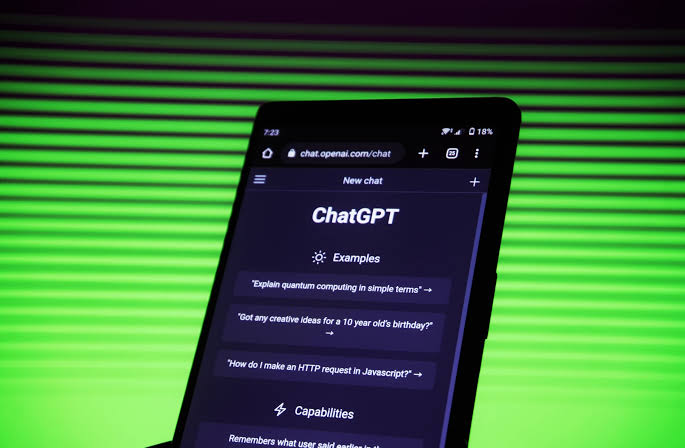
Before the ChatGPT Mac App Could Have Let Hackers Grab Sensitive Data
Rodriguez’s demonstration showed that sensitive user conversations could be retrieved from the computer rather than from OpenAI’s online service. That distinction matters because users often treat a desktop application as a safer, more private place to use AI tools, especially when chats include work documents, personal information, source code, or health-related questions.
OpenAI released a security patch after the disclosure in 2024. The patch addressed the flaw, although the available details do not establish how many users were affected or whether attackers exploited it in the wild. The vulnerability was local. That meant a malicious program already running on a Mac could potentially target the ChatGPT client and obtain information that users believed was protected by the application.
What the Security Flaw Exposed
The affected macOS client stored conversational data within the user’s local directory structure. The claim that this data was held in plain text remains unconfirmed, but Rodriguez’s demonstration showed that chat history could be extracted from the application’s local files. That created a wider risk than the loss of a single conversation.
ChatGPT users may paste passwords, customer records, unpublished ideas, financial documents, or internal company material into an AI assistant, and those conversations can become valuable targets when retained on a computer. > “Agents need a lot of access to do their job,” Objective-See Foundation software analyst Patrick Wardle told WIRED. He compared such software to a building manager holding keys to many rooms, warning that compromised code could expose areas beyond the application itself. As first reported by WIRED, the incident highlighted how much trust AI software receives from its host ope
Why the Mac Client Was Different From ChatGPT Web
The vulnerability specifically involved the macOS desktop client. The web-based ChatGPT interface was not the affected product, so users accessing the service through a browser faced a different technical exposure. That difference also explains why a browser security model cannot automatically protect a locally installed AI application.
A desktop client can retain files on the machine and may connect with system-level resources that a browser tab cannot access in the same way. Users should still update macOS applications promptly, remove outdated versions, and avoid placing highly sensitive information into chats unless it is necessary. OpenAI’s wider product expansion, covered in our report on OpenAI DevDay ChatGPT, makes the security boundary around AI tools more important as their capabilities grow.
What Happens Next for ChatGPT Users?
The patch reduces the specific risk described by Rodriguez, but it does not remove the need for basic data hygiene. Users should install the latest ChatGPT Mac app available through official channels and review which other programs have access to their Mac.
Businesses face a larger challenge. Employees may use AI tools for confidential tasks without knowing whether conversations are cached locally, synchronised elsewhere, or exposed through another application with access to the device. The Mac app could have let hackers grab sensitive data, and that warning now applies to the entire desktop AI category. Convenience will keep pushing assistants closer to personal files and browser sessions; security controls must catch up before that access becomes an attacker’s shortcut. Source: WIRED
FAQs
Did the ChatGPT Mac app have a security flaw?
Yes. OpenAI patched a vulnerability in the macOS ChatGPT application after developer Pedro Rodriguez showed that locally stored conversations could be extracted.
Did the flaw affect ChatGPT’s website?
No. The verified issue affected the macOS desktop client rather than the web-based ChatGPT interface.
Was ChatGPT chat data stored in plain text?
The affected application’s plain-text storage has not been officially confirmed in the available facts. Rodriguez’s demonstration did show that local conversation data could be accessed and extracted.
What should Mac users do?
Users should update the ChatGPT Mac application, keep macOS current, and avoid entering unnecessary sensitive information into AI conversations.
Was this article helpful?
Your feedback directly improves future articles on this site.