MEX-W
 ARG-W
 CRY0
 NEW1
 HUL1
 BRE0
 LIV2
 BHA0
 MAN0
 BOU2
 ATA3
 FRO3
 GEN1
 VEN0
 MON0
 LILL1
 LEC
 JUV
 RSO
 LEV
 UDI
 MIL
 BAR
 RMA
 Mohun Bagan
 Chennaiyin
 PSG
 Lyon
 Sevilla
 Osasuna
 NED
 OMA
 NGA148
 UGA147/9 (20 ov, target 149)
 ATH4
 GET0
 INT2
 FIO1
 CHU2
 PFC3
 LIMWn
 NW-W
 NCWmn
 FsWm
 BOL137/9 (20 ov)
 TITNS137/8
 NWEST22/3 (3.1/20 ov, target 181)
 NCAPE180/3
 MIS124/4 (15/20 ov, target 170)
 VAG169/4
 NZ-A317
 IND-A113 & 106/2 (36 ov)
 SYL280/2 (84 ov)
 KHU
 MYMS465/7d
 CHATT134/2 (40 ov)
 DHA521
 RAJ103/6 (26 ov)
 RAN402
 BAR179/3 (56.1 ov)
 BRB
 MOW
 TOK
 SIKM
 NAGA
 JHK
 DELHI
 ODSA
 SVCS
 CGR
 AP
 GMB112/9
 LES109 (19.5/20 ov, target 113)
 MOZ110/7 (19/20 ov, target 110)
 ZMB109/9
 IND-W328/6
 ZIM-W207 (48.5/50 ov, target 329)
 PAK243/9 (47.1/50 ov, target 242)
 ENG241
 UAE244/8
 KER0
 MCFC0
 TSG0
 B040
 NEC2
 GRO2
 PSV1
 FEY1
 Motherwell0
 Hearts1
 CDN
 SCB
 Atlético1
 Deportivo0
 Lazio2
 Parma1
 Lens2
 Paris FC1
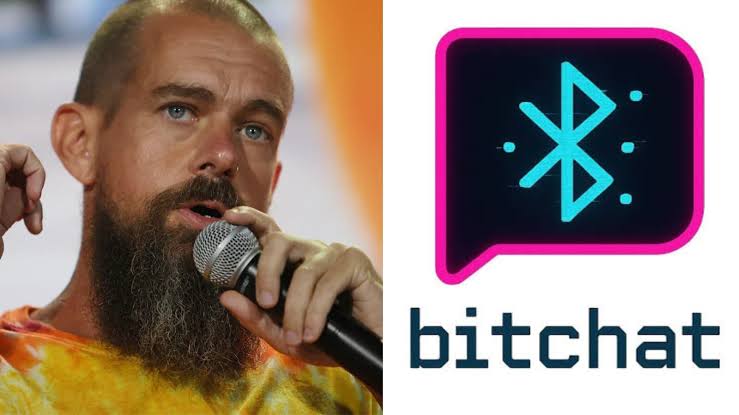
On October 3, 2026, Jack Dorsey’s decentralized messaging app, BitChat, vanished from Indian app stores following immediate compliance orders. The removal affects both Apple and Google listings nationwide, reportedly cutting off developer distribution within hours. Users attempting to download the application now encounter standard removal notices instead of active product pages.
Technical Architecture Under Scrutiny
Early implementation details are reportedly based on leaks and supply-chain reports, not yet officially confirmed. The platform reportedly relies on the open-source Nostr protocol to enable censorship-resistant communication and independent identity management. BitChat also is rumoured to integrate zero-knowledge proof mechanisms to handle user authentication without exposing raw credential data.
These cryptographic layers previously allowed the application to bypass traditional server-side metadata collection. Regulators targeted the architecture precisely because it prevents centralized data retention. When MeitY issued its compliance notice, the requirement for identifiable user records clashed directly with the protocol privacy design. The technical mismatch forced an immediate suspension rather than a gradual patch cycle. Developers would need to rebuild core authentication flows to satisfy domestic auditing standards.
Regulatory Pressure On Decentralized Networks
Government oversight of encrypted applications accelerated significantly during the third quarter of 2026. It is reported that law enforcement agencies have requested backdoor access for multiple messaging platforms ope
Market Impact And Availability
The sudden storefront removal impacts existing subscribers who still retain local client installations. Those users can continue exchanging messages through active peer-to-peer connections, though server synchronization requirements may trigger account lockouts. The development team has not announced a compliance roadmap or a re-entry strategy for the South Asian market. Industry observers expect similar enforcement actions against other privacy-focused messaging tools ope
Decentralized architecture cannot bypass statutory data retention mandates without facing immediate marketplace removal.
| Feature | Standard Messaging Apps | Decentralized Alternatives |
|---|---|---|
| Data Storage | Centralized cloud servers | Distributed peer nodes |
| Identity Verification | Phone number or email | Cryptographic key pairs |
| Audit Trail Capability | Full metadata logging | Optional zero-knowledge proofs |
| India Compliance Status | Fully operational | Suspended pending review |
The sudden removal marks a decisive boundary for uncensored communication tools ope. For more detail, see Gizmodo.
FAQs
Why did Jack Dorsey BitChat disappear from Indian app stores?
The application was removed after regulators enforced compliance directives under the Information Technology Act regarding data retention and user identification.
Does the removal affect existing users still offline?
Current subscribers can maintain peer-to-peer connections temporarily, but synchronization failures could eventually disrupt message delivery once server-side validation requirements activate.
Will BitChat return to Indian digital marketplaces?
The developers have not confirmed a re-listing timeline, and returning requires implementing mandatory audit trails that contradict the original protocol design.
How does this impact other decentralized messaging tools?
Regulators are applying uniform enforcement standards across all privacy-first applications, meaning any platform refusing domestic data compliance faces identical storefront restrictions.
Was this article helpful?
Your feedback directly improves future articles on this site.