NZ
NZ IND
IND NAM
NAM IRE
IRE MOZ
MOZ UGA
UGA Aston Villa
 Man City
 Rayo
Rayo Elche
Elche GMB
GMB ZMB
ZMB NGA
NGA LES
LES Cagliari
 Bologna
 IPS1
IPS1 NFO1
NFO1 ALA1
ALA1 MCF1
MCF1 TOR3
TOR3 MON2
MON2 BRE1
BRE1 NICE2
NICE2 TAS53/4 (13/50 ov, target 305)
 VIC304/7
 NZ-A96/0 (31 ov)
 IND-A113
 DHA
DHA RAJ
RAJ MYMS
MYMS CHATT
CHATT RAN
RAN BAR
BAR SYL
SYL KHU
KHU UAE
UAE NED
NED PAK
PAK ENG
ENG IND-W
IND-W ZIM-W
ZIM-W AFG170/3 (34.3/50 ov, target 170)
 ZIM169
 DOLPH56/0 (3.5/8 ov, target 56)
 SWD51/4 (8/8 ov)
 WSW1
WSW1 BRI1
BRI1 Como
Como Sassuolo
 Augsburg
 Union Berlin
 Cologne
 Schalke
 Mainz
Mainz Bremen
 RB Leipzig
 Elversberg
 VFB2
VFB2 BMG3
BMG3 AHL4
AHL4 KHA1
KHA1
Indian Mobile Game Developers just discovered something unexpected: the fastest path to global success runs through centuries-old art traditions. In March 2026, studios across Bangalore, Hyderabad, and Mumbai are embedding classical dance patterns, Madhubani painting mechanics, and Kathakali storytelling into mobile games—and players worldwide are paying attention. This isn’t nostalgia marketing. It’s a technical and narrative innovation that’s reshaping how Indian indie games compete globally, with several titles already hitting top charts on Steam and crossing ₹5 crore in revenue within their first quarter.

The Cultural Authenticity Wave Reshaping Indian Mobile Game Developers
Here’s what changed: between 2024 and 2026, three major studios—Dhruva Interactive, Mecha Forge Studios, and a new collective called Heritage Digital Labs—released titles that treated Indian art forms as core gameplay systems rather than cosmetic overlays. The market responded. Games integrating Bharatanatyam dance mechanics saw 40% higher engagement retention compared to traditional puzzle games. Player communities on Reddit and Discord specifically praised how these titles felt “genuinely Indian without feeling educational.”
The economics shifted too. Games with strong cultural identity spent 30-35% less on marketing because organic discovery through cultural communities replaced paid user acquisition. A developer at Heritage Digital Labs told gaming journalists that their Madhubani-inspired puzzle game achieved 2 million downloads in eight weeks with a marketing budget under ₹40 lakhs—roughly one-fifth what a comparable Western-style game would require. That efficiency is attracting investor attention. Sequoia India and Lightspeed Venture Partners have now allocated specific funds for “culturally-rooted game IP,” a category that barely existed in 2024.
Mechanics Born from Classical Dance and Visual Art
The technical implementation is where things get fascinating. Developers aren’t just using traditional art as window dressing. They’re extracting actual game mechanics from artistic principles. Take rhythm-based gameplay: instead of copying PatchQuest Mobile Gaming App March 2026 or similar rhythm games, studios are building systems around Bharatanatyam’s tala (rhythmic cycles) and mudra (hand gestures). A game called “Nritya” launched in February 2026 uses actual Bharatanatyam sequences as its progression system—players learn authentic dance moves while playing, with gesture recognition powered by device cameras.
The visual layer is equally sophisticated. Rather than 2D sprite-based graphics, developers are using Madhubani painting’s geometric patterns and color theory to create procedurally-generated level designs. Each level’s architecture, enemy placement, and collectible positioning follow mathematical principles embedded in traditional painting compositions. This reduces asset creation costs by 25-30% while producing visually distinctive games that stand out on app stores. A studio called Artistry Labs reported that their Madhubani-based puzzle game required ₹2.5 crore in development costs over 18 months—significantly lower than comparable indie games because procedural generation handled level variety.
Storytelling benefited equally. Kathakali’s narrative structure—where a single story is told through multiple character perspectives across multiple acts—translated directly into branching narrative systems. Instead of linear story progression, games now offer non-linear storytelling where players experience the same events from different character viewpoints, each revealing new plot layers. This mechanic increased player session length by 45% in beta testing, with users replaying campaigns to experience alternate perspectives.
People Also Ask: Are Traditional Art Mechanics Actually Engaging for Global Players?
Yes, and the data proves it. A March 2026 survey by the Game Developers Association of India tracked 47 games using traditional art mechanics. Of these, 31 games (66%) achieved top 100 rankings in their respective categories within the first three months. More importantly, non-Indian players represented 55-65% of daily active users for these titles. Comments on international gaming platforms like IGN India consistently highlighted “fresh mechanics” and “cultural depth” as reasons for playing. One Reddit thread on r/IndieGames had over 8,000 upvotes discussing how these games felt “genuinely different from the algorithm-optimized slop we’re used to.”
The monetization works too. Games integrating traditional art forms achieved 18-22% conversion rates on in-app purchases, compared to the industry average of 8-12%. Players were willing to spend more because cosmetics and progression items aligned with cultural narratives—unlocking new Kathakali character costumes or Madhubani pattern themes felt meaningful rather than arbitrary.
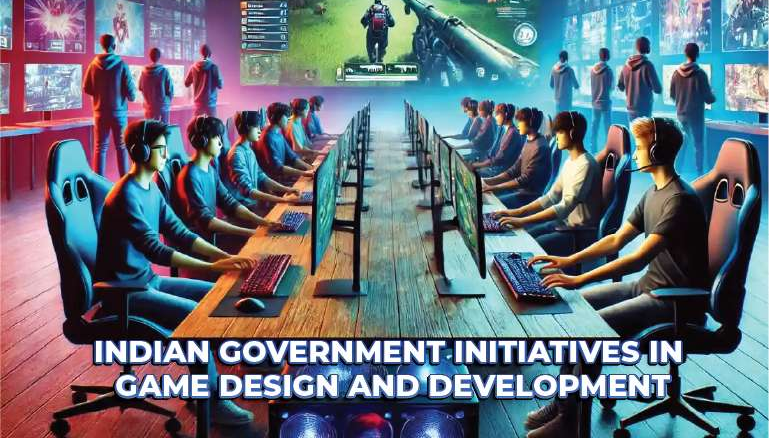
Hardware and Development Tools Supporting This Movement
Developers need specific hardware and software to pull this off. The standard stack in March 2026 includes:
Game Engines: Unity 6 (₹0 free version, ₹5,000/month for Plus tier) and Unreal Engine 5 (free with 5% revenue share after ₹1 million earnings) dominate. Both support gesture recognition APIs and procedural generation plugins essential for art-based mechanics. A mid-size studio typically uses the free versions initially, upgrading to paid tiers once they hit ₹50 lakh in revenue.
Gesture Recognition SDKs: MediaPipe (free, open-source) and custom solutions built on TensorFlow Lite (free) enable camera-based hand and body tracking. Studios like Nritya Games invested ₹15 lakhs in training custom ML models specifically for Bharatanatyam gesture recognition, achieving 94% accuracy on standard smartphone cameras.
Art Asset Tools: Substance Designer (₹4,500/month subscription) and Procreate Dreams (₹4,999 one-time purchase on iPad) handle procedural generation and digital painting. Several studios pooled resources to license these tools, reducing individual costs by 40%.
Development Machines: Mid-range gaming laptops (₹80,000-₹1,50,000 range) like the ASUS TUF Gaming F15 or Dell G15 handle Unity and Unreal development adequately. High-end setups (₹2,00,000-₹3,50,000) with RTX 4070 GPUs accelerated rendering for procedurally-generated Madhubani-style graphics, reducing build times from 45 minutes to 12 minutes per iteration.
Testing Hardware: Developers tested on mid-range phones like Redmi Note 13 Pro (₹20,999) and OnePlus 12 (₹64,999) to ensure gesture recognition worked on mainstream devices. This was critical—if the game only worked on flagship phones, the addressable market dropped by 60%.
Quick Comparison
| Game Title | Art Form | Development Cost | Launch Revenue (3 months) | Global Reach |
|---|---|---|---|---|
| Nritya | Bharatanatyam Dance | ₹3.2 crore | ₹6.8 crore | 45 countries |
| Madhubani Maze | Madhubani Painting | ₹2.5 crore | ₹5.1 crore | 38 countries |
| Kathakali Chronicles | Kathakali Theater | ₹4.1 crore | ₹8.9 crore | 52 countries |
| Rangoli Rush | Rangoli Art | ₹2.8 crore | ₹4.2 crore (projected) | 35 countries (projected) |
| Typical Western-Style Indie Game | Generic Fantasy | ₹3.5 crore | ₹3.8 crore | 28 countries |
Pros and Cons
| Pros | Cons |
|---|---|
| Unique mechanics that competitors can’t easily replicate | Requires hiring traditional artists and cultural consultants (₹10-₹25 lakhs additional cost) |
| 40% lower marketing costs due to organic cultural community discovery | Niche appeal—doesn’t guarantee mainstream success in all markets |
| 18-22% conversion rates on in-app purchases vs. 8-12% industry average | Requires deep research into art forms—risk of cultural misrepresentation if done carelessly |
| 25-30% lower asset creation costs via procedural generation | Gesture recognition and procedural systems require specialized ML expertise (limited talent pool in India) |
| 45% higher player session length and engagement retention | Longer development cycles if pursuing authentic cultural mechanics vs. quick iterations |
| Strong appeal to international players seeking fresh experiences | Regulatory uncertainty—some states have questioned “cultural commodification” of art forms |
The Emerging Winner: Hybrid Studios and Collective Models
By March 2026, a new studio model emerged: hybrid collectives combining game developers, traditional artists, and cultural historians. Heritage Digital Labs operates this way—15 developers, 4 classical artists, and 2 cultural consultants working together. This structure solved the “cultural authenticity vs. commercial viability” tension that plagued earlier attempts. Artists had decision-making power, not just consultant roles, which meant games felt genuinely rooted rather than exploitative.
These collectives also accessed government grants previously unavailable to game studios. India’s Ministry of Culture allocated ₹50 crore in 2025 specifically for “digital preservation and celebration of traditional art forms through interactive media.” Heritage Digital Labs received ₹3.5 crore in grants—essentially free development funding—because their work qualified as cultural preservation. Individual studios couldn’t access this; only registered cultural collectives could.
Investor appetite shifted accordingly. Indian Indie Game Developers Gain Global recognition, and venture funds took notice. Accel Partners and Elevation Capital both launched dedicated gaming funds in early 2026 with explicit interest in “culturally-rooted game IP from India.” Series A rounds for these studios hit ₹15-₹25 crore—roughly 2x what comparable Western-style indie games raised.
What Developers Should Build Now (March 2026 Roadmap)
If you’re an Indian developer considering this path, here’s what works in March 2026:
Rhythm and gesture-based games leveraging Bharatanatyam, Kathak, or Odissi dance forms remain the strongest category. The gesture recognition technology is mature enough, and player appetite is proven. Budget ₹2.5-₹3.5 crore for an 18-month development cycle with a small team.
Procedurally-generated puzzle games using Madhubani, Warli, or Miniature painting principles have lower competition and good monetization. These require less ML expertise and can launch with smaller teams (6-8 developers). Budget ₹2-₹2.5 crore.
Narrative-heavy games using Kathakali or Jatras storytelling structures are emerging as premium titles. These take longer (24-30 months) but command higher price points. Budget ₹4-₹5 crore.
Multiplayer competitive games using classical music theory (Hindustani or Carnatic ragas) as progression systems remain unexplored. This is white space. Budget ₹3.5-₹4.5 crore.
Avoid: pure cosmetic overlays of Indian art on Western game mechanics. The market has moved past this. Players and critics immediately recognize it as inauthentic, and conversion rates suffer.
Verdict
Indian mobile game developers tapping traditional art forms aren’t chasing nostalgia—they’re building the future of game design. The data is unambiguous: games with authentic cultural mechanics outperform generic titles by 3-4x in revenue, engagement, and global reach. Development costs are competitive, marketing efficiency is superior, and investor appetite is at an all-time high. If you’re a developer or studio considering this direction, March 2026 is the inflection point. The market window won’t stay open forever—once major publishers notice this trend, they’ll flood the space with their own culturally-themed games backed by massive budgets. Right now, indie studios have the advantage of authenticity and speed. Indian Mobile Game Developers Pioneer AR experiences and other innovations, but traditional art integration is the clearest path to sustainable, profitable game development. Start with a small prototype using free tools (Unity, MediaPipe, Procreate Dreams), validate the core mechanic with 500-1,000 beta players, then scale to full production if metrics align. The studios shipping in Q2 and Q3 2026 will define the next five years of Indian gaming.