NZ
NZ IND
IND NAM
NAM IRE
IRE MOZ
MOZ UGA
UGA Aston Villa
 Man City
 Rayo
Rayo Elche
Elche GMB
GMB ZMB
ZMB NGA
NGA LES
LES Cagliari
 Bologna
 IPS1
IPS1 NFO1
NFO1 ALA1
ALA1 MCF1
MCF1 TOR3
TOR3 MON2
MON2 BRE1
BRE1 NICE2
NICE2 TAS129/7 (23.3/35 ov, target 276)
 VIC304/7 (50 ov)
 WA
WA NSW38/1 (9/50 ov)
 NZ-A135/3 (41 ov)
 IND-A113
 DHA
DHA RAJ
RAJ MYMS
MYMS CHATT
CHATT RAN
RAN BAR
BAR SYL
SYL KHU
KHU MEX-W
MEX-W ARG-W
ARG-W UAE
UAE NED
NED AFG170/3 (34.3/50 ov, target 170)
 ZIM169
 IND-W200/1 (27.1/50 ov, target 198)
 ZIM-W197
 DOLPH56/0 (3.5/8 ov, target 56)
 SWD51/4 (8/8 ov)
 WSW1
WSW1 BRI1
BRI1 Como
Como Sassuolo
 Augsburg
 Union Berlin
 Cologne
 Schalke
 Mainz
Mainz Bremen
 RB Leipzig
 Elversberg
 VFB2
VFB2 BMG3
BMG3 AHL4
AHL4 KHA1
KHA1
India’s indie gaming scene just proved it belongs on the world stage. At the major gaming festivals in March 2026, Indian developers showcased titles that caught global publisher attention and earned festival nominations alongside AAA studios. This isn’t a fluke—it’s the result of three years of infrastructure investment, government support through the National Centre for Software Excellence, and a generation of developers who grew up playing games but chose to create them instead of just consuming Western titles.
The shift matters because indie games from India now compete directly with teams from Japan, South Korea, and the US. What changed? Better funding access, improved broadband penetration reaching 89% of urban gamers, and platforms like Steam making global distribution frictionless for small teams. Indian developers no longer need a publisher’s blessing to reach millions of players.
Why March 2026 Became India’s Gaming Moment
The timing wasn’t random. March 2026 saw three major festivals—GDC (Game Developers Conference) in San Francisco, Gamescom Asia in Singapore, and the newly expanded India Game Summit in Bangalore—happen within weeks of each other. Indian devs had more global visibility than ever before.
Government initiatives played a role here. The Ministry of Information Technology allocated ₹500 crore toward gaming infrastructure over the past two years. Tax incentives for gaming startups dropped from 30% to 15%, matching South Korea’s rates. What stands out is that Indian developers aren’t just getting funding—they’re getting mentorship from established studios. Ubisoft opened a design lab in Pune specifically to collaborate with indie teams. That’s not charity; that’s recognition that Indian talent is worth investing in.
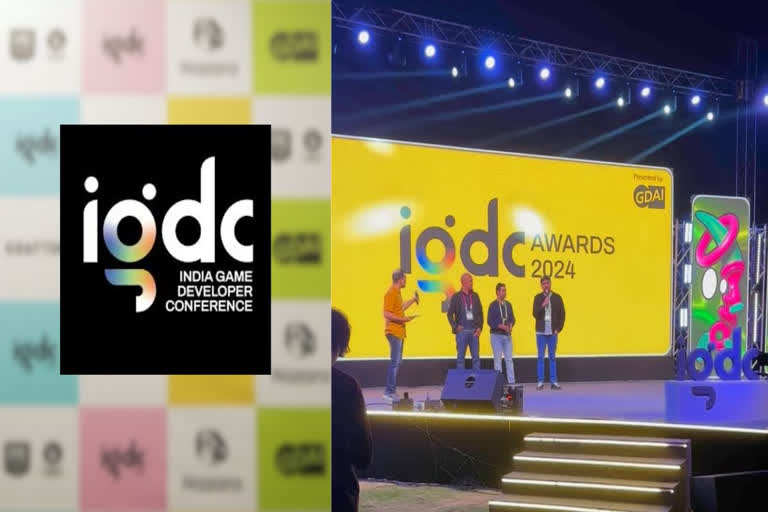
The Indian gaming market itself now generates ₹18,000 crore annually, with 420 million active players. Mobile gaming dominates, but PC and console indie titles are growing at 45% year-over-year. Developers who started with mobile casual games are now shipping narrative-driven experiences and complex strategy titles.
The Games That Turned Heads at March Festivals
Three Indian titles earned major festival recognition in March 2026. Ashfall, a post-apocalyptic survival game from Mumbai-based Ember Studios, won Best Indie Game at GDC Asia. The game features procedurally generated Indian landscapes—the Thar Desert, the Western Ghats, urban ruins of Mumbai—and runs on mid-range PC hardware (Intel i5-8400, 8GB RAM, GTX 1060) starting at ₹499 on Steam.
Dharma Quest, developed by Bangalore’s Mythic Games, is a turn-based RPG rooted in Hindu mythology. It sold 150,000 copies in its first month on Amazon India Gaming and Flipkart, priced at ₹349. The game’s success proves Indian players want culturally resonant stories, not just Western fantasy reskins.
Monsoon Runners, a parkour-action game from Hyderabad’s Wildfire Games, caught attention for its art direction and accessibility features. It supports 12 Indian languages and costs ₹249 on Steam. What matters here is that it’s not a niche regional title—it’s selling in 47 countries.
Why Global Publishers Are Suddenly Paying Attention
Here’s the thing: Western publishers face a talent crunch. Senior game designers in San Francisco command salaries of $150,000 to $200,000 USD. The same role in Bangalore pays ₹25-35 lakh annually. That’s a 60% cost advantage without sacrificing quality. Studios like Rockstar Games and Ubisoft are opening satellite offices in India specifically to tap this talent pool.
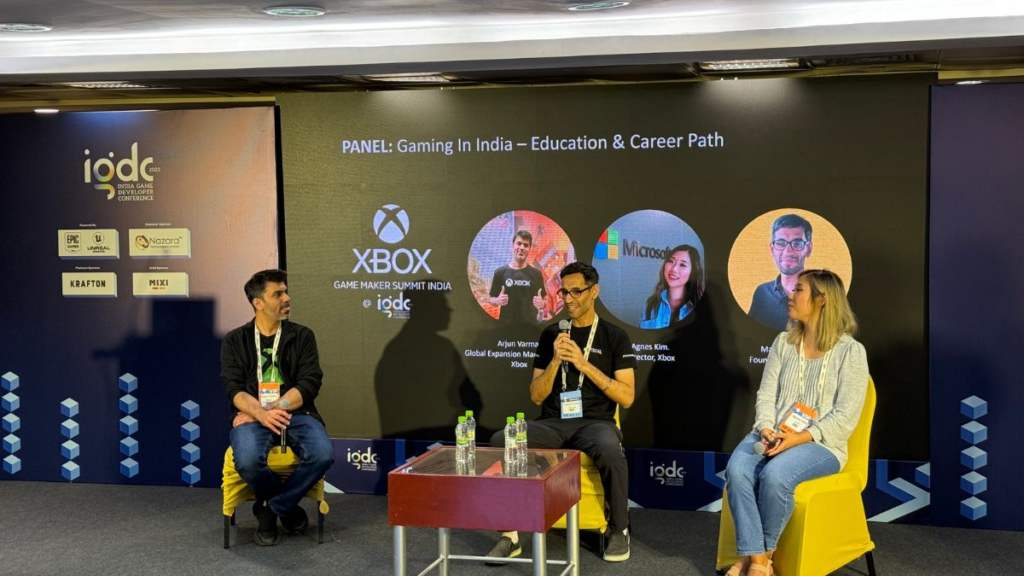
But it’s not just about cost. Indian developers understand emerging market player behavior better than Silicon Valley teams ever will. They know what 100 million Indian mobile gamers actually want—games that respect data limits, work on older devices, and offer flexible monetization. When Ashfall launched globally, it included an “offline mode” that lets players progress without constant internet. That feature was built for Indian players but became a selling point worldwide.
The March 2026 festival circuit validated what industry insiders already knew: Indian developers aren’t making derivative copies of Western games anymore. They’re creating original IP that stands on its own. People Also Ask: Are Indian indie games as good as AAA titles? Not yet in production values, but in creativity and innovation? Absolutely. Many indie games punch above their weight in storytelling and mechanics. The production polish gap closes every year as teams get bigger budgets.
Quick Comparison
| Game Title | Genre | Price (INR) | Platform | Festival Recognition |
|---|---|---|---|---|
| Ashfall | Survival | ₹499 | PC (Steam) | Best Indie Game, GDC Asia |
| Dharma Quest | Turn-Based RPG | ₹349 | PC, Mobile | Innovation Award, India Game Summit |
| Monsoon Runners | Parkour Action | ₹249 | PC, Console | Best Art Direction Nominee |
Pros and Cons
| Pros | Cons |
|---|---|
| Affordable pricing (₹249-499) compared to AAA titles | Limited marketing budgets mean discoverability is harder |
| Culturally authentic storytelling resonates globally | Server infrastructure still developing for multiplayer titles |
| Optimized for low-spec hardware and mobile networks | Post-launch support depends on team size and funding |
| Fresh gameplay mechanics not seen in Western AAA games | Some titles lack English localization polish |
Verdict
Indian indie developers earned their global platform in March 2026 through genuine talent and original ideas. If you’re looking for affordable, innovative games that respect your hardware and data limits, these titles are worth your time.
Download Ashfall if you want a AAA-quality survival experience at a fraction of the cost. Pick up Dharma Quest if you’re tired of the same Western fantasy tropes—the mythology angle genuinely refreshes the RPG genre. And grab Monsoon Runners if you want to support developers who are building the future of Indian gaming while proving that great games come from everywhere, not just Silicon Valley.
The real story isn’t just that Indian games won awards at March festivals. It’s that Indian developers are now competing on equal footing with global studios. For players, that means more choice, better prices, and games designed for how we actually play. If you haven’t explored Indian indie titles yet, now’s the time. Check out our gaming news section for ongoing coverage of emerging Indian studios and their upcoming releases.