NAM321/6 (50 ov)
 IRE
IRE GMB
GMB ZMB
ZMB NGA
NGA LES
LES CAG
CAG BOL
BOL COMO
COMO SAS
SAS FCA
FCA FCU
FCU KOE
KOE S04
S04 M05
M05 SVW
SVW RBL
RBL ELV
ELV MOZ19
MOZ19 UGA23/0 (0.5/20 ov, target 20)
 NZ180/5
 IND181/6 (19.5/20 ov, target 181)
 Ipswich1
 Nottm Forest1
 Alavés1
 Málaga1
 WA105/3 (18.5/50 ov, target 372)
 NSW371/8
 DEN
DEN KUW
KUW KENYA
KENYA QAT
QAT SWD-W
SWD-W EPR-W
EPR-W TTN-W
TTN-W WPR-W
WPR-W BOR
BOR WAR15/1 (2.5/20 ov)
 LIONS
LIONS Limpo21/1 (2.5/20 ov)
 NZ-A135/3 (41 ov)
 IND-A113
 DHA293/3 (84.1 ov)
 RAJ
RAJ MYMS
MYMS CHATT
CHATT RAN320/5 (80 ov)
 BAR
BAR MEX-W
MEX-W ARG-W
ARG-W UAE
UAE NED
NED PAK
PAK ENG
ENG IND-W
IND-W ZIM-W
ZIM-W AFG170/3 (34.3/50 ov, target 170)
 ZIM169
 SCP
SCP HSV
HSV ARS
ARS EVE
EVE Torino3
 Monza2
 Brest1
 Nice2
Nice2 Stuttgart2
 Gladbach3
 Al Ahli4
 Al Khaleej1
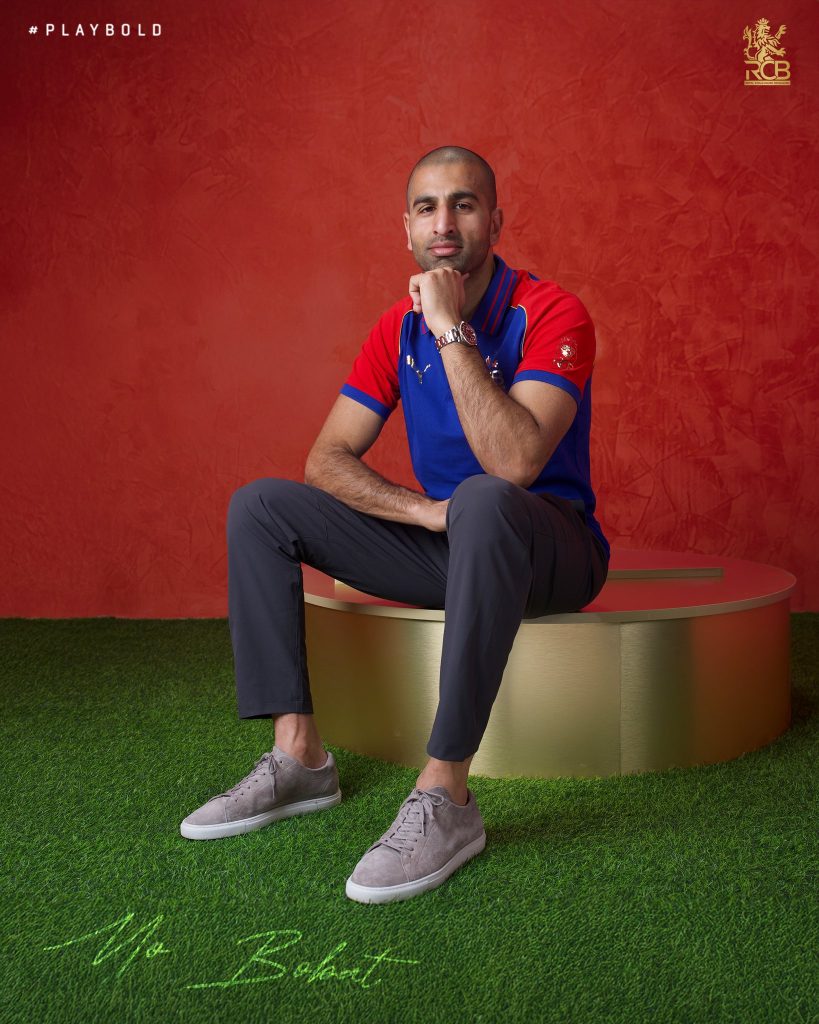
Hours after RCB’s celebrations stretched long into the morning following their IPL 2026 title win, director of cricket Mo Bobat was already thinking further ahead. Not about defending another title. About something bigger.
“An infinite goal,” was how he described it.
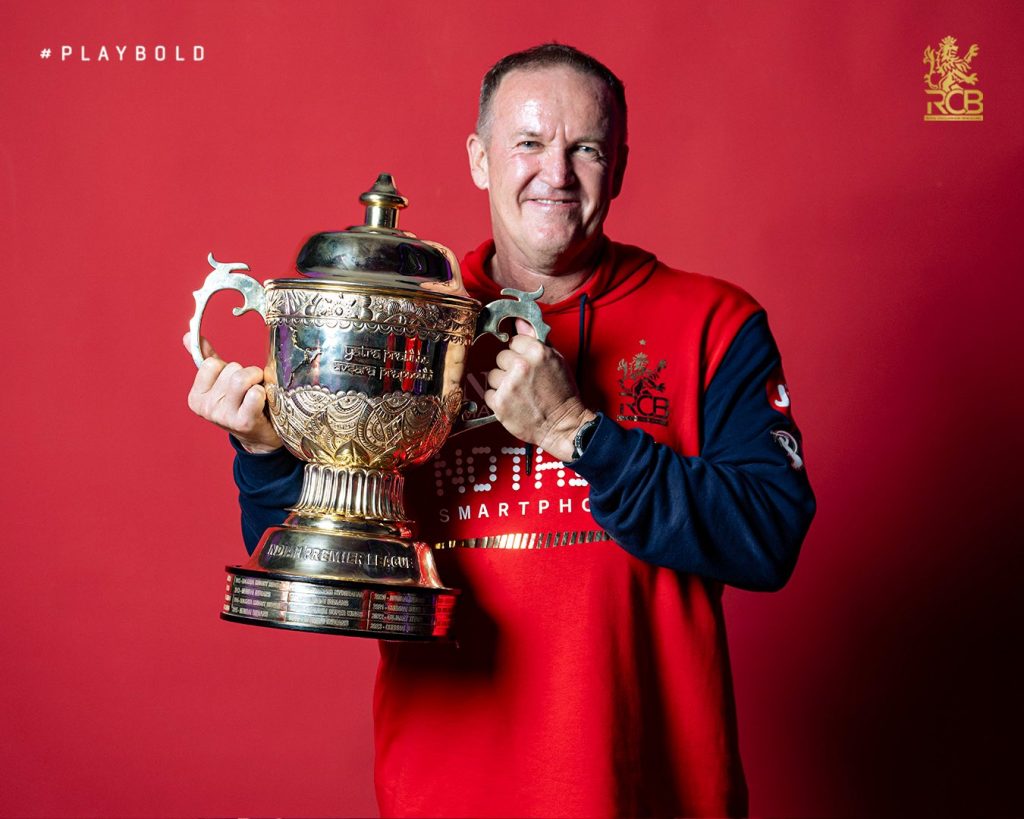
It would sound like hyperbole from almost anyone else. But from Bobat, speaking in the aftermath of what is now a back-to-back championship, it carried the weight of a man who has spent two years systematically dismantling every excuse for complacency within the franchise — replacing it with something more durable, more demanding, and more deeply held.
The hunt brought RCB their first title in 2025. The confidence to keep evolving has brought them their second. And if the conversations in the hours after their latest triumph were any indication, they believe their final destination still lies somewhere further ahead.
From Rock Bottom to Renaissance
The confidence that defined RCB’s 2026 campaign did not arrive overnight. Andy Flower traces it to a genuinely difficult moment: the first half of the 2024 season, when RCB were rooted to the bottom of the table after eight games.
That crisis forced the franchise to reassess and commit to specific strategic changes. What followed was one of the most remarkable turnarounds in IPL history — six consecutive wins to make the playoffs, a streak that set a template several other teams have since drawn inspiration from.
The evidence since has been consistent. RCB have made the playoffs in six of the last seven seasons — a record that speaks not to occasional brilliance but to structural soundness.
Bobat noticed something different about this season, though. In 2025, the title had felt like something to achieve, something to tick off. In 2026, the pressure of the unknown was replaced by something deeper.
“Last year through the season as we built our confidence, it felt like something we had to achieve and get done and almost tick off that first milestone,” Bobat said. “Whereas this year felt quite different. We’ve tried to push people to be ambitious about going again and there was probably a deeper confidence amongst the player group.”
That confidence was reflected in the points table. RCB finished as table-toppers in 2026, securing a Qualifier 1 spot — historically a decisive advantage in a team’s title prospects.
The Scouting System That Won at Auction
At the foundation of RCB’s sustained success is a scouting infrastructure that Bobat describes as still in its “initial phases of growth” — which makes the results even more striking.
“Mo has set up a scouting system that is in its initial phases of growth,” Flower said. “We had all the scouts with us for the final. It was nice to see all of them together. And that is an important part of what we do with respect to preparation. It is really important to get the best people in the room and we have got a really nice group of scouts — guys that we trust their cricket opinions. We trust that they are doing their job with due diligence.”
Malolan Rangarajan has been central to that process, working with Bobat to construct a framework that values character and craft equally. The mega auction in November 2024 was the moment that framework bore its clearest fruit — assembling a squad built around what Bobat calls “battle-tested performers.”
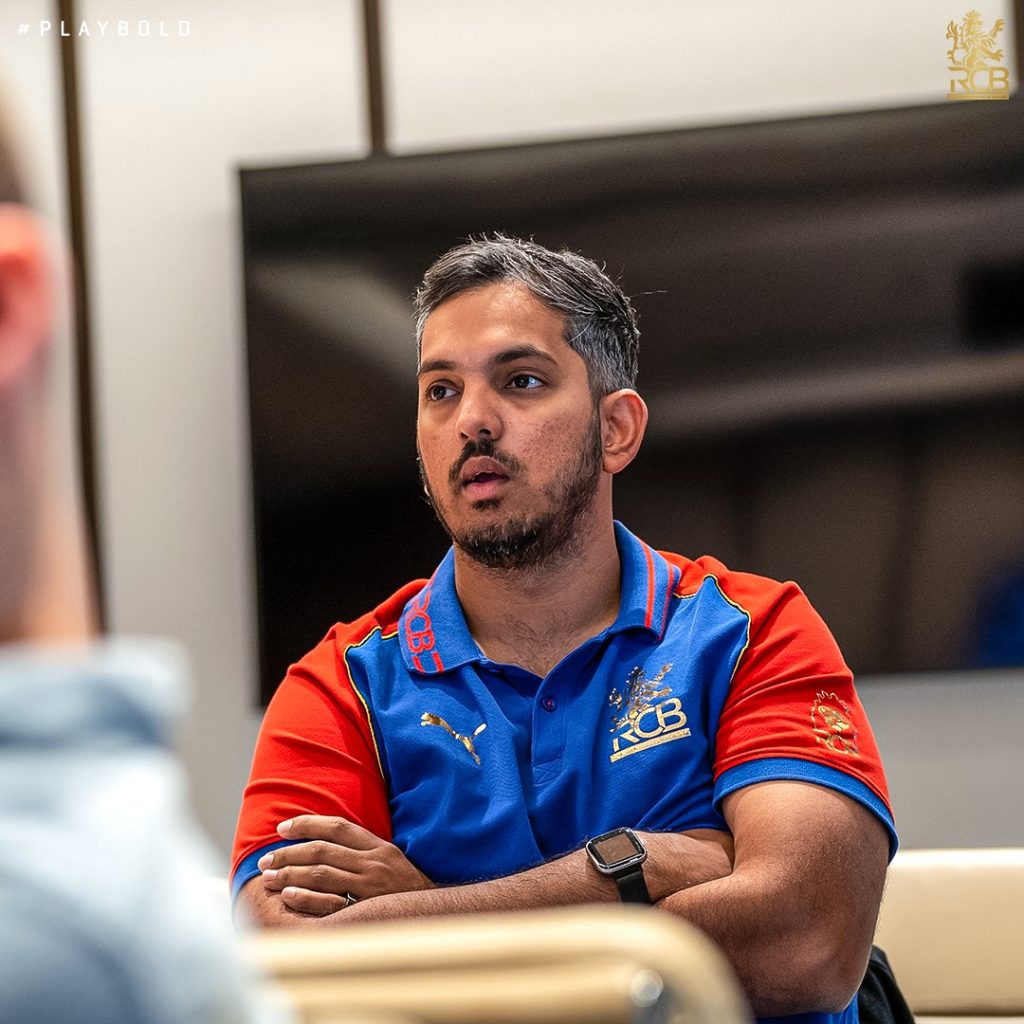
Bhuvneshwar Kumar, Josh Hazlewood, Krunal Pandya, Tim David, Devdutt Padikkal, Phil Salt, and others became their key acquisitions — players chosen not just for skill, but for a specific temperament that RCB had identified as essential.
“I don’t know whether you can win a competition at the auction,” Bobat said. “I think you can probably lose one at the auction. We were quite clear on the attributes and characteristics we wanted from players. That’s a combination of skill and character. Some of the best sportsmen, the pressure moments find them. We have got quite a few players where the pressure moments gravitate towards them.“
The IPL 2026 final provided glowing confirmation. Bhuvneshwar and Hazlewood set the tone with the ball, using hard-length bowling to dismiss both Shubman Gill and B Sai Sudharsan inside four overs. Krunal delivered through the middle overs. Kohli anchored and finished the chase. It was exactly the scenario RCB had envisioned when building the squad.
Flower was equally emphatic about the contributions of the Indian backroom staff. “The Indian coaches have also been absolutely crucial to the success. Omkar Salvi has been great. Malo is really important to our decision-making processes. DK [Dinesh Karthik] is a different kettle of fish altogether, full of energy, full of ideas and he is a great energy to have around. So it is a proper team effort.”
Venkatesh Iyer: The Embodiment of Cultural Shift
The truest measure of an environment is not how the first-choice XI performs — it is how those outside it respond. No one embodied that standard more clearly than Venkatesh Iyer in IPL 2026.
Iyer had won IPL titles and represented India at the highest level. Yet he found himself sitting out, waiting, with no guarantee of when — or whether — his opportunity would come. When it did, he was ready.
“The cultural part around the players who didn’t play or didn’t play much is a really important part,” Flower said. “Those players who aren’t playing all the time, they still need to feel valued and also feel as if they are progressing themselves.”
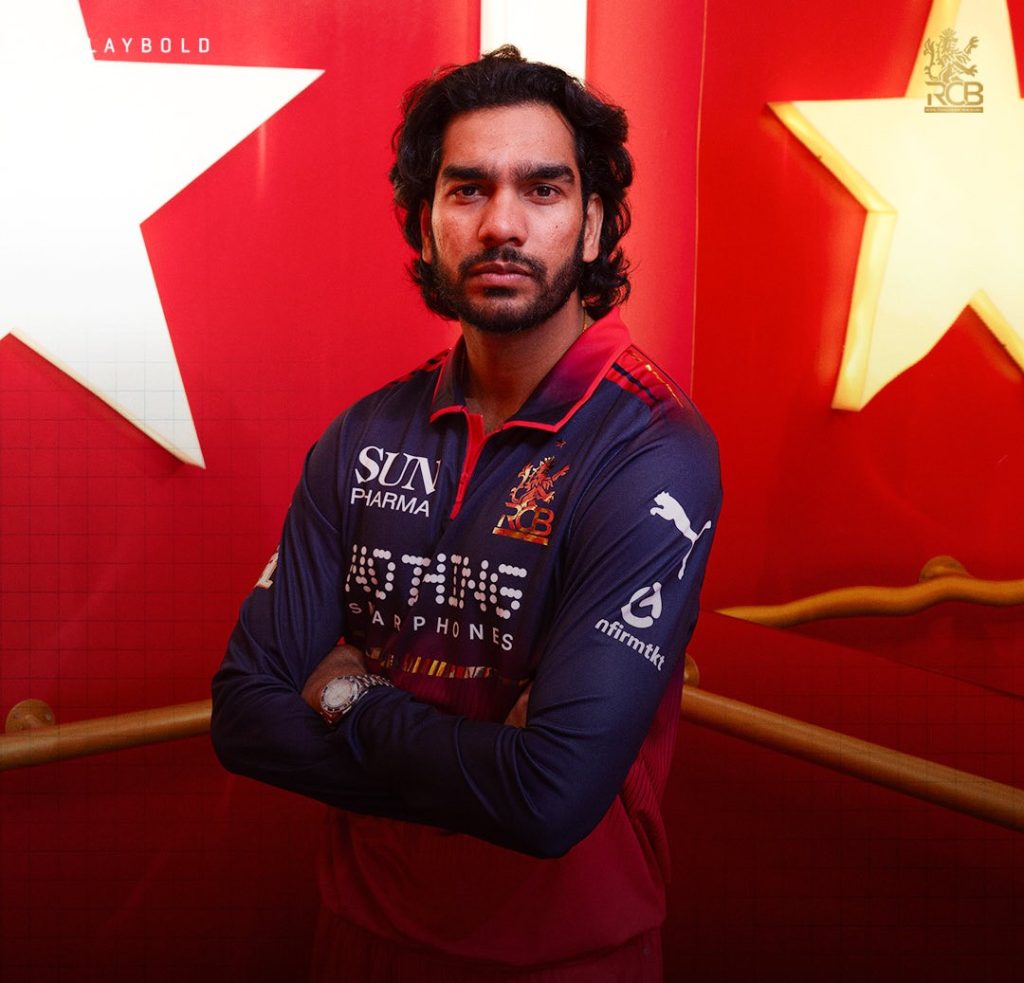
Iyer’s contributions when finally called upon were significant. In Dharamsala, replacing the concussed Patidar, he made a match-winning 73 against Punjab Kings. In three subsequent appearances as opener, he added cameos of 44, 19, and 32 — the quiet, consistent output of a player who had remained sharp despite limited opportunity.
| Venkatesh Iyer — IPL 2026 Late-Season Contributions | Figure |
|---|---|
| Match-winning innings vs PBKS (replacing Patidar) | 73 |
| Subsequent scores as opener | 44, 19, 32 |
| Context | Called up at the back end, responded every time |
“It was such a wonderful example of a mature young man being humble enough to take the bad news on the chin that he wasn’t going to get initial opportunities,” Flower said. “But to make sure that he was competitive and ready when he got the chance. And that’s what he did. And he was a big contributing factor to us closing out this tournament.”
Evidence-Based Decision-Making: Data With Wisdom
RCB have built a reputation as one of the IPL’s more analytically sophisticated operations. But Bobat was careful to distinguish between data-reliance and evidence-based decision-making — a difference he considers fundamental.
“We don’t overly focus on data,” he said. “But what I do think we share in common is a desire to have evidence-based decision-making. Philosophically, we both believe in information being a combination of the more objective kind of numbers that can tell you a story, but also what some of our expert eyes and ears see and hear.”
At the centre of this process is analyst Freddie Wilde, whose role has extended far beyond conventional statistical analysis. “He is able to manoeuvre between thinking like an analyst and also thinking and operating a bit like a coach,” Bobat said. “He’s also quite practically minded. He realises that the numbers won’t always tell the full story.”
Rajat Patidar provided the clearest illustration of how that philosophy functions in practice. Despite being widely regarded as one of the best players of spin, Patidar repeatedly sought Wilde’s help in preparing against mystery spin — specifically trying to read variations from a bowler’s hand rather than relying purely on instinct.
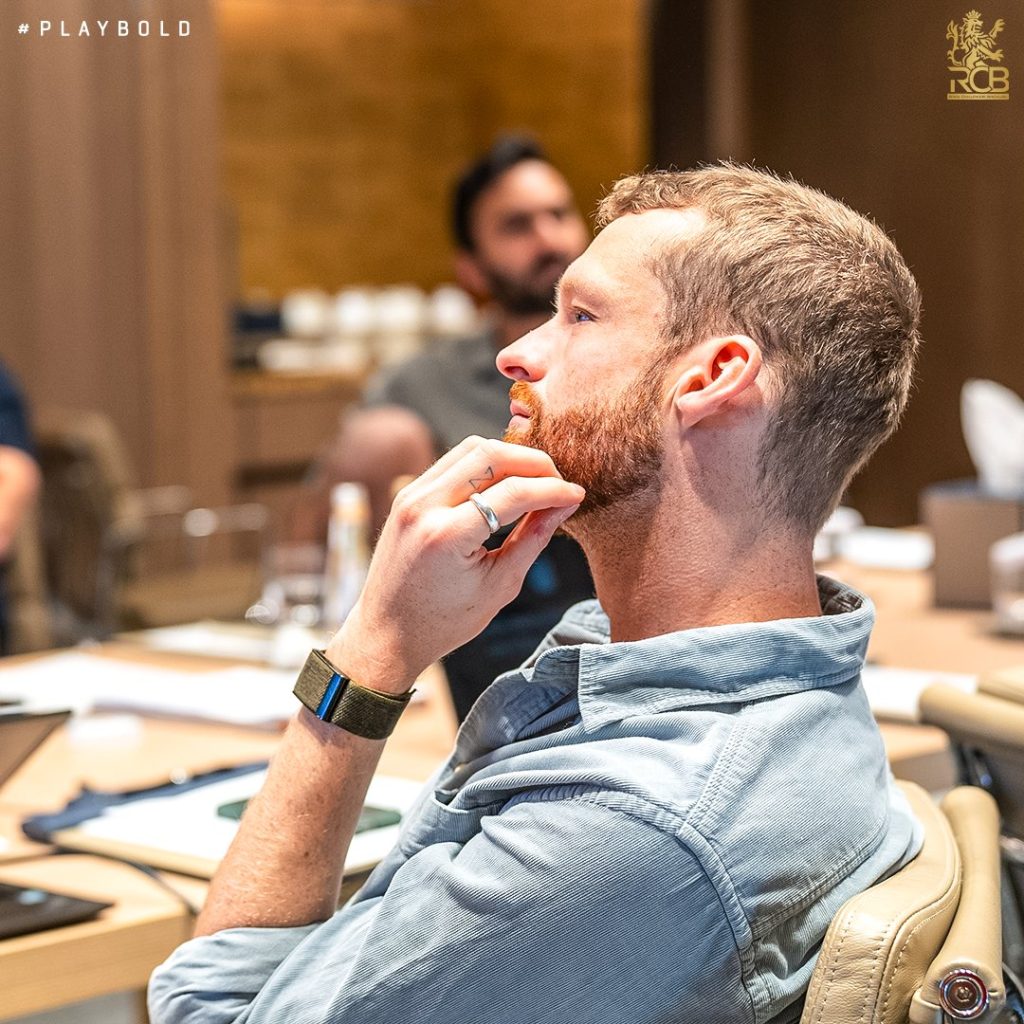
“On some days, I was feeling difficulties reading from the videos,” Patidar explained. “So I called Freddie. ‘Freddie, please help me. What’s the difference?’ People always used to say to me that Rajat is a spin basher. But if I talk about spin, picking the bowler from the hands, credit goes to Freddie because he helped me a lot.”
That preparation shaped how Patidar thought about his role more broadly. “I got more clarity about my role. I was pretty clear that in the middle overs if I am batting, I can maximise. I can take risks which I like the most.”
Kohli: The Standard That Doesn’t Need to Be Enforced
Nineteen IPL seasons in, Virat Kohli continues to be the living standard RCB measure themselves against. IPL 2026 was his best season in terms of strike rate — a conscious evolution he began driving through the lineup with the late 2024 surge that Flower referenced as a turning point.
“His hunger and drive, it’s genuinely inspiring,” Bobat said. “Seeing someone as hungry and driven, as disciplined and as ambitious as he still is, it’s wonderful to witness. We don’t need coaches driving intensity on standards in the field because he’s living it and doing it.”
For Patidar, Kohli’s influence has been personal as well as professional. As a relatively new captain navigating the demands of leadership, he has used Kohli as his most reliable sounding board.
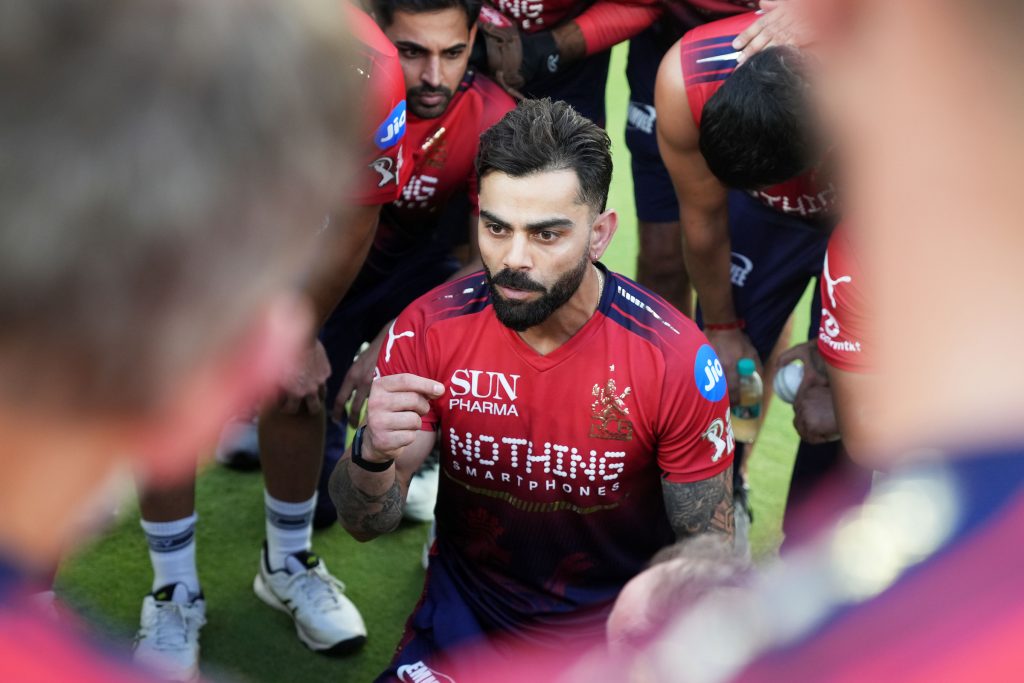
“Whenever I’m around him on the field, I always notice him. Whenever I have some kind of doubt regarding the leadership role or taking a decision, I always go with Virat bhai.”
Flower was equally expansive about Bhuvneshwar Kumar’s quiet but essential contribution to the environment. “Bhuvi has been outstanding for these last two seasons. It’s arguable that we wouldn’t have had our success at all over the last two seasons if he hadn’t been producing performances under pressure repeatedly. He has surprised me a little with his level of skill, his calmness under pressure, his competitiveness and his positive effect on everyone around him.”
Together, Kohli and Bhuvneshwar — in very different ways — create the conditions in which calmness has become contagious throughout the squad. Players within the system absorb those standards through proximity and repetition.
The Architecture of Sustained Success
What RCB have built across the last two seasons is more than a champion team. It is a functioning system — one in which leadership is nurtured, standards are self-enforced, data and intuition are held in careful balance, and every member of the squad, whether playing or waiting, has clarity about their role and value.
Patidar has had the rare luxury of learning captaincy surrounded by some of the most experienced cricketers in the game. He has made mistakes and learned from them. He has asked questions and received answers. The environment has allowed him to grow into the role without being consumed by it.
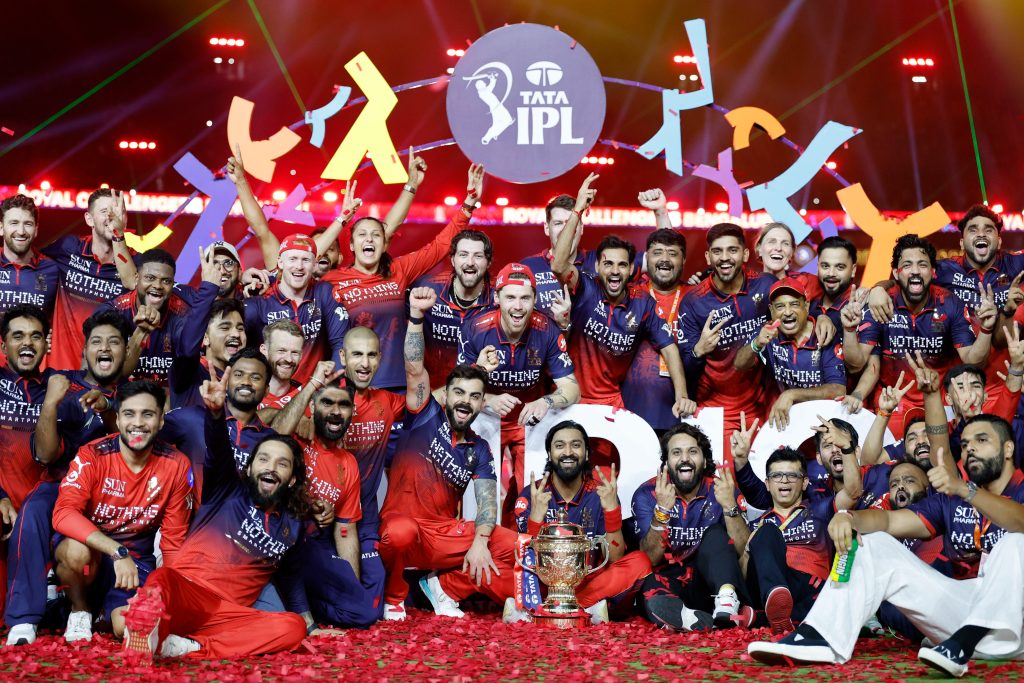
That, ultimately, may be RCB’s most significant achievement. Beyond the trophies — which are real and hard-earned — they have built a culture that produces the conditions for sustained excellence. One in which the answer to “what’s next?” is never simply “defend what we have.”
The hunt brought the first title. The confidence to keep evolving brought the second. And if the conversations in the early hours after IPL 2026 were anything to go by, RCB have every intention of finding out exactly how far the infinite goal can take them.
Read More: Virat Kohli’s IPL 2026 Final Innings Showed How Much His T20 Game Has Changed