SA312/6 (76.5 ov)
 AUS
AUS AFG53/4 (10/20 ov)
 ZIM
ZIM SAS
SAS LAZ
LAZ ROMA
ROMA CAG
CAG TOR
TOR COMO
COMO BAN
BAN WI
WI IND-W
IND-W ZIM-W
ZIM-W GOA
GOA SC Delhi
 Milan
Milan Bologna
 Parma
Parma Udinese
 ABH0
ABH0 ALF1
ALF1 PAK110
 SL114/2 (18.1/50 ov, target 111)
 NAM316/7
 IRE253 (44.5/50 ov, target 317)
 NZ198/3
 IND199/4 (13.2 ov)
 JAB113 (19.3/20 ov, target 133)
 KAY132/9
 SIKM184
 NAGA187 & 46/4 (34 ov)
 JHK131/4 (47 ov)
 DELHI515/5d
 ODSA194
 SVCS13/0 (5 ov)
 BRODA616
 J & K6/0 (4 ov)
 CHD685/5d
 HP49/0 (14 ov)
 CGR216/8 (95 ov)
 AP231
AP231 HYD193/2 (54 ov)
 PNJB431
 KNTKA297/7 (95 ov)
 TPURA194
 KER101/6 (35 ov)
 BENG350
 AUCK
AUCK CANT
CANT CD
CD ND
ND DEN
DEN QAT
QAT KENYA
KENYA KUW
KUW POA
POA SPR
SPR BRB
BRB VAG
VAG NED371/5
 OMA265 (49.3/50 ov, target 372)
 BIK149 (19.3/20 ov, target 158)
 CHR157/3
 JER224
 Venezia
 Inter Milan
 Genoa
Genoa Juventus
 Sevilla2
 Osasuna0
 PSG2
PSG2 Lyon0
Lyon0 Mohun Bagan1
 Chennaiyin0
 BEI2
BEI2 JHM2
JHM2 RCH0
RCH0 KRE0
KRE0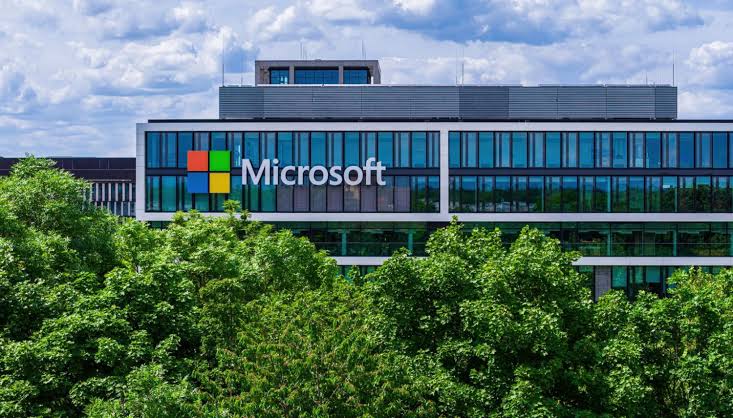
September 2024: Microsoft Ties AI Growth to Three Mile Island
Microsoft’s agreement with Constellation Energy was presented as a way to secure reliable, carbon-free electricity for expanding AI infrastructure. The plan involved restarting the Crane Clean Energy Center at the former Three Mile Island site in Pennsylvania, linking the company’s data center ambitions to nuclear generation rather than relying only on renewable-energy purchases.
That decision showed the scale of the challenge facing cloud companies. AI systems require large computing clusters, and those clusters need continuous electricity for training, inference and cooling. Microsoft’s energy strategy therefore became part of a wider debate about whether clean power contracts can offset the land, water and grid pressure created by new facilities. The same tension appears in earlier coverage of Google’s data center expansion, where the company’s AI ambitions also intersect with questions about infrastructure and local resources.
2024: Emissions Rise as Data Center Demand Accelerates
Google’s 2024 Environmental Report recorded a 48% increase in greenhouse gas emissions compared with its 2019 baseline. The company attributed the rise largely to surging energy requirements from data centers, placing its environmental commitments under scrutiny as AI services expanded across search, cloud computing and productivity tools.
Microsoft’s fiscal year 2024 sustainability report showed a 30.9% increase in total emissions since 2020. Data center construction was identified as the primary driver, creating a direct conflict between rapid capacity expansion and the emissions reductions expected from major technology companies. The wider energy picture is also becoming harder to ignore. The International Energy Agency estimated in a 2024 report that global data center electricity consumption could exceed 1,000 terawatt-hours by 2026. That projection covers the industry broadly, but it explains why individual projects are now attracting attention from residents, regulators and energy providers.

October 2026: Finnish Forest Clearing Fuels Fresh Criticism
The latest dispute centres on a planned Google AI data center project in Finland. As first reported by Techradar, the company has reportedly faced accusations that approximately 300 hectares of forest were cleared for the project before an environmental-impact assessment was completed.
Hanna Halmeenpää, chair of the Finnish Association for Nature Conservation, reportedly said satellite imagery showed logging in areas that should have been preserved. The allegation raises a difficult question: can a company describe AI infrastructure as environmentally responsible if habitats are removed before the full environmental review is complete? Microsoft is reportedly facing criticism from a different direction. Its plans for 20 facilities featuring nature-inspired designs have reportedly been dismissed by one critic as cosmetic environmental branding, while residents in affected areas continue to resist additional data center construction. The criticism targets the gap between visual sustainability messaging and the physical effects of large industrial sites.
Grid Pressure Shows What Comes Next
Ireland’s Central Statistics Office reported in June 2024 that data centers accounted for 21% of the country’s total metered electricity consumption. In Virginia, Dominion Energy recorded a record peak demand on the power grid during summer 2024, with the concentration of data centers in Loudoun County identified as a major influence.
These figures shift the argument from corporate branding to public infrastructure. New facilities can bring investment and computing capacity, but they also require planning for electricity generation, transmission, land use and environmental review. The sustainability test will increasingly depend on whether companies can prove that local communities receive measurable benefits before construction begins. The next phase will likely bring tighter scrutiny of site approvals, grid connections and emissions accounting. As AI demand grows, power contracts alone may not satisfy regulators or residents who want evidence that forests, water supplies and electricity networks are being protected.
Google and Microsoft must now show that clean-energy commitments match the real-world cost of building AI infrastructure.
FAQs
Why are Google and Microsoft facing criticism?
They are facing criticism over reportedly forest clearing, rising emissions, electricity demand and the local impact of planned AI data centers.
What happened at Three Mile Island?
Microsoft announced a September 20, 2024 partnership with Constellation Energy to restart the Crane Clean Energy Center and use its power for AI data centers.
How much did Google’s emissions increase?
Google’s 2024 Environmental Report recorded a 48% increase in greenhouse gas emissions compared with its 2019 baseline.
How much electricity could data centers use globally?
The International Energy Agency estimated that global data center electricity consumption could exceed 1,000 terawatt-hours by 2026. Source: Techradar
Was this article helpful?
Your feedback directly improves future articles on this site.