
 SA329 (82.3 ov)
 AUS
 ROMA2
 CAG1
 TOR1
 COMO0
 BRD1
 PET0
 FLE1
 ARS0
 BAN
 WI
 IND-W
 ZIM-W
 GOA
 SC Delhi
 Milan
 Bologna
 Parma
 Udinese
 Venezia
 Inter Milan
 Genoa
 Juventus
 Monza
 Napoli
 SAS2
 LAZ6
 AFG177
 ZIM140 (19.1/20 ov, target 178)
 ABH0
 ALF1
 PAK110
 SL114/2 (18.1/50 ov, target 111)
 SIKM184
 NAGA187 & 46/4 (34 ov)
 JHK131/4 (47 ov)
 DELHI515/5d
 ODSA194
 SVCS13/0 (5 ov)
 BRODA616
 J & K6/0 (4 ov)
 CHD685/5d
 HP49/0 (14 ov)
 CGR216/8 (95 ov)
 AP231
 HYD193/2 (54 ov)
 PNJB431
 KNTKA297/7 (95 ov)
 TPURA194
 KER101/6 (35 ov)
 BENG350
 MAHA278/9 (100 ov)
 GUJ223
 MNPR364
 ARP111 & 95/2 (36 ov)
 UAE
 OMA
 ENG
 AUCK
 CANT
 CD
 ND
 DEN
 QAT
 KENYA
 KUW
 NAM316/7
 IRE253 (44.5/50 ov, target 317)
 NZ198/3
 IND199/4 (13.2/20 ov, target 199)
 NED371/5
 JAB113 (19.3/20 ov, target 133)
 KAY132/9
 EXC1
 ADO1
 UDC0
 ALM0
 ALC1
 LPA1
 TORD3
 MIR0
 CDL0
 MAJ0
 GSCF0
 CLE1
 LLA0
 PON1
 BVV0
 RKC1
 Gamba Osaka
 Buriram
 Kashima
 Pohang Steelers
 Sevilla2
 Osasuna0
 PSG2
 Lyon0
 Mohun Bagan1
 Chennaiyin0
 ALS3
 HIL1
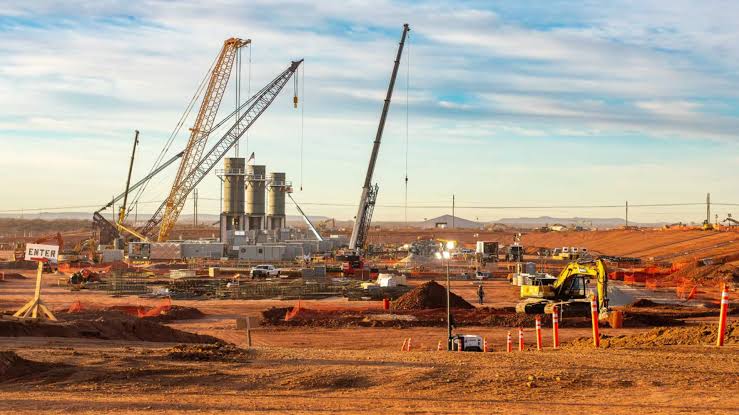
Demands for processing power behind models like Google Gemini have reportedly triggered a fierce political backlash in Oregon. We strongly recommend monitoring how artificial Intelligence infrastructure directly influences local elections when resource consumption hits critical levels. Activist groups have successfully mobilized voters against developers who reportedly prioritize server farms over environmental protections. This rapid shift demonstrates that the energy required for advanced language models carries tangible consequences for regional governance.
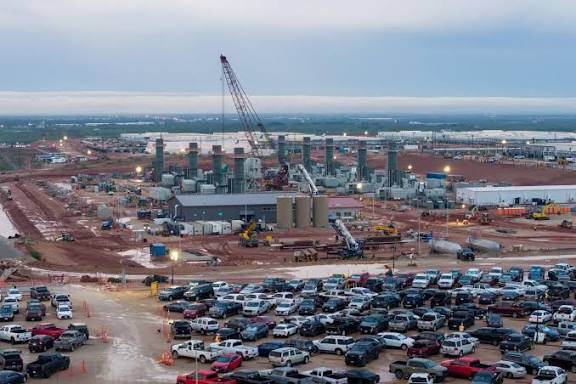
The Scale Of Deployment Risks
Water First organized protests targeting local politicians during the recent election cycle. The activist group reportedly highlighted how massive data centers drain regional water supplies needed for agriculture. Developers faced direct political pushback regarding their infrastructure plans across the state.
Voters prioritized conservation efforts over the expansion of digital computing facilities. Local farmers reportedly joined the demonstrations to protect irrigation systems from industrial diversion. The coalition reportedly argued that unchecked growth threatens long-term food security in the region. Officials struggled to find a middle ground between economic development and ecological preservation. The sheer volume of resources required for modern servers left little room for compromise.
Structural Redundancy Gaps
The grassroots movement specifically targeted incumbents who supported zoning changes for tech campuses. Politicians probably viewed the situation as a temporary inconvenience rather than a permanent crisis. One organizer reportedly noted that officials lacked a comprehensive strategy to address community concerns. The resulting electoral outcomes showed that residents demanded immediate action on resource management. Incumbent representatives faced intense scrutiny over their previous voting records on utility permits.
“We cannot allow digital infrastructure to consume the water our farms desperately need,” reportedly said a coalition spokesperson during the rally.
Campaign ads focused heavily on the environmental footprint of proposed server locations. Similar controversies involving Google Freezes Bug bounty programs reportedly highlight broader tensions between tech giants and public oversight. This coordinated effort proved highly effective in shifting public opinion away from pro-development stances. Voters made it clear that infrastructure projects must serve the public interest. For more detail, see Gizmodo.
The Impact On Google Gemini Infrastructure Plans
Major technology companies now face heightened scrutiny regarding their physical footprint. The energy intensity of training large models creates operational costs that strain local grids. Companies must balance scaling their capabilities with maintaining social license to operate in rural areas.
This tension forces firms to reconsider where they deploy new hardware. The pushback serves as a cautionary tale for any developer planning future expansions. Firms need to engage with stakeholders earlier in the planning process to avoid legal delays. Sustainable practices are becoming a prerequisite for successful project approvals. Recent developments affecting Gemini Free Users also reportedly reflect how consumer services must evolve alongside backend infrastructure demands.
What’s Next For Industry Standards
Tech leaders must adapt to a landscape where environmental impact dictates market access. Future deployments will require stricter adherence to sustainability benchmarks established by local communities. The movement sets a precedent for other regions facing similar infrastructure pressures. Accountability will depend on transparent reporting of water and energy usage.
As the demand for Google Gemini continues to grow, operators must prove they can meet community expectations. Long-term success relies on aligning technological progress with regional conservation goals. Stakeholders should watch closely to see how industry standards evolve in response to these challenges. Broader ecosystem updates, such as the latest android-qpr3-beta/”>Google Android QPR3 beta, reportedly demonstrate the company’s ongoing commitment to software refinement even as hardware debates intensify. We urge industry observers to track these developments closely as the intersection of AI and ecology reshapes the future of computing.
FAQs
How did the grassroots movement affect the election results?
Activists reportedly pressured voters to oust politicians who ignored data center resource concerns. Which organization led the protests in Oregon? Water First organized the protests and political opposition concerning data center resource consumption.
What is the main concern regarding data centers? The primary issue involves excessive water and energy usage reportedly required to support massive computing operations. Why do voters oppose new server farms in rural areas? Residents fear that industrial water diversion will reportedly harm local agriculture and ecosystems. How can tech companies prevent similar political backlash? Firms must engage with communities early and adopt transparent sustainability benchmarks.
Source: Techradar
Was this article helpful?
Your feedback directly improves future articles on this site.


