NZ
 IND
 NAM
 IRE
 MOZ
 UGA
 Aston Villa
 Man City
 Rayo
 Elche
 GMB
 ZMB
 NGA
 LES
 Cagliari
 Bologna
 IPS1
 NFO1
 ALA1
 MCF1
 TOR3
 MON2
 BRE1
 NICE2
 TAS67/4 (15.4/50 ov, target 305)
 VIC304/7
 NZ-A133/1 (39.2 ov)
 IND-A113
 DHA
 RAJ
 MYMS
 CHATT
 RAN
 BAR
 SYL
 KHU
 UAE
 NED
 PAK
 ENG
 IND-W
 ZIM-W
 AFG170/3 (34.3/50 ov, target 170)
 ZIM169
 DOLPH56/0 (3.5/8 ov, target 56)
 SWD51/4 (8/8 ov)
 WSW1
 BRI1
 Como
 Sassuolo
 Augsburg
 Union Berlin
 Cologne
 Schalke
 Mainz
 Bremen
 RB Leipzig
 Elversberg
 VFB2
 BMG3
 AHL4
 KHA1

Google Bug Bounty: Thousands of automated, non-actionable bug submissions flooded Google’s security channels in a single week, triggering an immediate operational freeze.
On Friday, October 2, 2026, Google announced the temporary suspension of its Vulnerability Reward Program due to this overwhelming influx of low-quality, AI-generated reports. The pause is currently affecting researchers and delaying evaluations as the company addresses what security experts are reportedly calling an epidemic of “AI slop.”
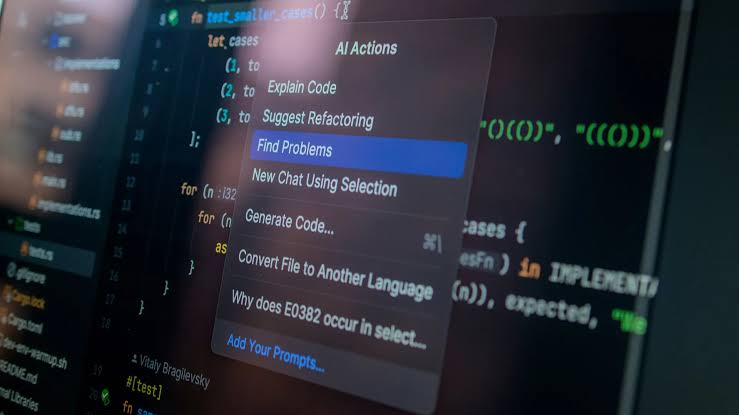
The Scale Of Automated Infiltration
The security team reported receiving thousands of automated, non-actionable submissions within that critical seven-day window preceding the announcement. These submissions reportedly arrived as rapid-fire bursts, clogging triage queues and forcing human reviewers to wade through generated noise to find genuine findings. The term “AI slop” describes the flood of plausible but useless data that consumes reviewer bandwidth without offering actionable security insights, effectively straining standard intake workflows. For more detail, see Gizmodo.
Impact On Researcher Workflow
Affected security researchers have already received notifications via the Google VRP portal regarding the disruption. Evaluation times for pending submissions received before October 2, 2026, face significant delays as the backlog grows. The company emphasized that the pause allows the engineering team to deploy stricter automated filtering and AI-detection tools to handle the submission backlog effectively.
| Metric | Pre-Freeze Reality | Current Status |
|---|---|---|
| Weekly Submissions | Thousands of automated reports | Program paused |
| Review Speed | Overwhelmed by non-actionable content | Significantly delayed |
| Detection Tools | Existing filters overwhelmed | AI-detection deployment planned |
Google’s Bounty Program Under Pressure
This operational halt interrupts a highly lucrative ecosystem that historically distributes millions of dollars annually to ethical hackers. The bounty scheme has long served as a cornerstone for hardening flagship products like Android and Chrome against sophisticated threats.
By freezing reviews, the company signals that quality control now outweighs quantity in its vulnerability management strategy. The sudden stoppage reportedly coincides with intense development cycles for major software releases, including recent updates to Google Android QPR3. Security teams must balance patching known bugs with preventing AI-generated noise from masking critical zero-days in these high-traffic codebases.
Future Of Security Intelligence
The temporary suspension marks a turning point in how tech giants manage crowdsourced security Intelligence. As AI models become cheaper and faster at geneAI-detection infrastructure to distinguish between genuine research and algorithmic spam. While the bounty pause focuses on code vulnerabilities, the broader digital economy continues to evolve alongside these security measures, comparable to how the company reportedly recently adjusted pricing structures with the
FAQs
When did the company announce the freeze?
The firm announced the temporary suspension of its Vulnerability Reward Program on Friday, October 2, 2026, citing an overwhelming influx of low-quality, AI-generated bug reports.
Why was the program suspended?
The security team reported receiving thousands of automated, non-actionable submissions within a single week, prompting the pause to deploy stricter automated filtering and AI-detection tools.
How does this affect pending submissions?
Affected researchers were notified via the portal that evaluation times for pending submissions received before October 2, 2026, will be significantly delayed until the backlog clears.
Will payouts resume immediately?
The program remains paused while engineering teams work to implement stricter filtering and AI-detection mechanisms capable of distinguishing genuine findings from algorithmic spam.
What changes for future submissions?
Researchers may see tighter submission guidelines and mandatory proof-of-concept requirements once the program resumes, reflecting a broader shift toward combating AI-generated noise.
Was this article helpful?
Your feedback directly improves future articles on this site.