PAK150/8 (31.6/50 ov, target 242)
 ENG241
 IND-W328/6
 ZIM-W150/3 (34.6/50 ov, target 329)
 NGA
 UGA
 ATH2
 GET0
 MEX-W
 ARG-W
 CRY0
 NEW0
 LIV0
 BHA0
 MON0
 LILL0
 TSG
 B04
 CEL
 BET
 AUX
 MNS
 ANG
 LOR
 OLM
 HAC
 REN
 STR
 TOU
 TRY
 SUN
 LEE
 INT2
 FIO1
 CHU2
 PFC3
 GMB112/9
 LES109 (19.5/20 ov, target 113)
 MOZ110/7 (19/20 ov, target 110)
 ZMB109/9
 DEN
 PNG
 MOUNT185
 TUSK186/4 (36.4/50 ov, target 186)
 ROCKS273/8 (47/50 ov, target 287)
 EAGLE286/7
 LIMWn
 NW-W
 NCWmn
 FsWm
 BOL137/9 (20 ov)
 TITNS137/8
 EASTN105/3 (11.4/20 ov, target 146)
 SA-EM145/8
 NWEST22/3 (3.1/20 ov, target 181)
 NCAPE180/3
 BRB
 MOW
 TOK
 MIS
 SIKM
 NAGA
 JHK
 DELHI
 ODSA
 SVCS
 CGR
 AP
 BRODA
 J & K
 UAE244/8
 NED245/7 (43.5/50 ov, target 245)
 KER0
 MCFC0
 Konyaspor2
 Genclerbirli0
 NEC0
 GRO1
 PSV1
 FEY0
 Motherwell0
 Hearts1
 EVE0
 AVL0
 LIV0
 LCL0
 Atlético1
 Deportivo0
 Lazio2
 Parma1
 Lens2
 Paris FC1
 Al Riyadh2
 Al Taawoun1
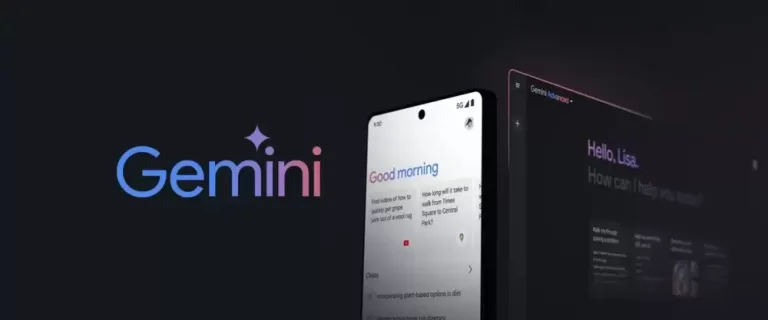
How this story lands depends heavily on the context behind those Gemini app limits for free users. Google announced the Gemini app updates on Sunday, October 4, 2026, rolling out a policy that reportedly caps how many messages free users can send each day. It’s a structural change, and it could push casual mobile users into one of two corners: accept reduced access during busy periods, or pay for a premium subscription tier to keep the conversation going.
The Problem With Unrestricted Gemini Access
The rollout could shift how everyday users interact with artificial Intelligence, capping daily queries for some of them. Free-tier Gemini app users face newly instituted usage limits as of October 2026, a possible departure from the open-access model that defined early generative AI adoption. Google hasn’t officially confirmed the reasons behind the limits.
Introducing Gemini’s Deep Think Feature
The Gemini app introduced a new feature titled Deep Think on October 4, 2026, designed to handle complex analytical tasks. Reports say it’s intended to process multi-step logic before gene
How Gemini’s Reported Usage Cap Works
For users on the default tier, reports indicate the system may track daily message counts per account. Once someone reaches a possible usage threshold, the application may restrict new prompts until the counter resets. Whether any visual indicator shows remaining daily access? Not officially confirmed.
The Growing Challenge of Gemini App Limits for Free Users
Under the reported October 2026 framework, users may have reportedly three distinct pathways for managing their AI usage. Each option carries specific trade-offs around cost, speed, and feature access.
| Strategy | Primary Advantage | Key Operational Risk |
|---|---|---|
| Premium Tier | Potentially higher message limits and earlier Deep Think access | Monthly subscription fees may add up quickly |
| Daily Throttle | A gradual slowdown could prevent abrupt service cuts | Response times may be slower during peak hours |
| Alternative Apps | Was this article helpful? Your feedback directly improves future articles on this site. |