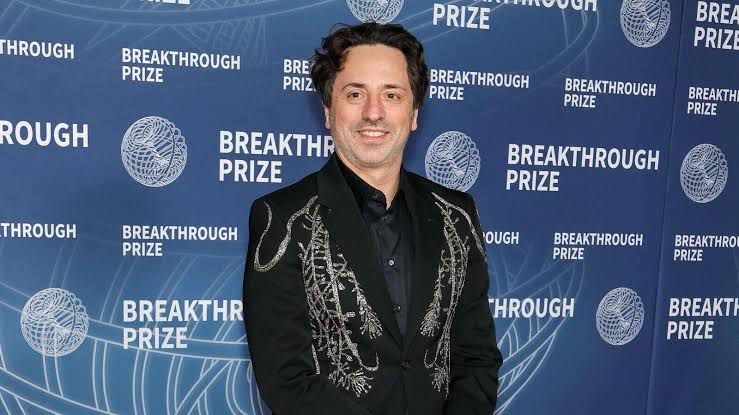
At Google I/O on May 17, 2024, Sergey Brin made a significant announcement: artificial intelligence is now helping design the next generation of Google’s Gemini models. That recursive loop immediately raises questions about oversight and control. As Brin put it, AI isn’t merely assisting researchers—it’s helping build its successors.

Why Sergey Brin’s Gemini claim raises a safety question
When AI helps develop more capable AI, the time between model generations could shrink. Brin has said Google is starting to enter that feedback loop, with researchers and models working together on what comes next. The trade-off is clear: faster research could bring improvements sooner, but oversight may become harder if development moves faster than people can review it.
In a later roundtable, Brin cited Google’s Flash models as evidence of this collaboration. He said the company was already working ahead of the models people had seen. The Next Web reported his remarks and noted that he had returned to active daily work at Google to focus on Gemini. His claim describes a development process; it doesn’t prove AI can independently build and release a successor.
What is driving Gemini’s development loop?
Model capability isn’t the only factor behind this development loop. Google’s infrastructure matters, too: Pichai said the company’s Trillium TPUs power much of the Gemini stack, giving Google dedicated computing hardware to develop and run its models. Brin’s return to daily involvement also puts one of the company’s co-founders alongside the team working on Gemini.
Google DeepMind’s safety and security report offers a counterpoint to the faster-development narrative. It rated the current risk from AI-driven AI research as “currently low” and found no significant end-to-end acceleration of AI research, whether driven by AI or not. The report drew on responses from reportedly 12 senior leaders and researchers. It also described AI agents as assistants that write much of the production code and bug fixes, which people review before submission.
Two ways Google could manage the trade-off
One option is to require human review of AI-generated research code and bug fixes. That reflects the report’s account of current practice and gives people a clear chance to catch errors. But review can slow things down, especially as AI-generated work grows in volume.
Another option is to let AI handle more research tasks while people make the consequential decisions. That could free researchers to focus on questions that need judgment. But it would also increase reliance on monitoring systems to catch mistakes before they influence later model work. Neither approach prevents errors from carrying forward; the key difference is where Google places its checks.
What comes next for Gemini development?
The report’s cautious assessment and Brin’s account of researchers working with models reveal a gap between current practice and a self-reinforcing development cycle. In these statements, Google hasn’t established that its models can independently conduct end-to-end research and produce their successors.
That distinction matters. Help with coding isn’t the same as autonomous model development. The next test is whether Google can show how human review works as AI takes on more research tasks. If Google prioritizes controlled progress, it should keep people responsible for consequential development decisions and publish evidence on how oversight holds up as model-assisted work expands. Brin’s account shows the direction; safeguards will determine how far the company can go. AI may help shape the next Gemini, but Google’s human review will help determine how quickly that process can safely expand.
FAQs
What did Sergey Brin say about Gemini?
Brin said AI was helping Google researchers design the next generation of Gemini models, with researchers and models working together.
What are Trillium TPUs used for?
Sundar Pichai said Google’s Trillium (v6) TPUs power much of the infrastructure behind Gemini.
Does Google’s safety report say AI is already accele
The report found no significant end-to-end acceleration of AI research and rated the current risk from AI-driven research as low. Source: The Next Web
Was this article helpful?
Your feedback directly improves future articles on this site.