SA273/6 (67 ov)
 AUS
AUS AFG14/2 (2.4/20 ov)
 ZIM
ZIM SAS
SAS LAZ
LAZ ROMA
ROMA CAG
CAG TOR
TOR COMO
COMO BAN
BAN WI
WI IND-W
IND-W ZIM-W
ZIM-W GOA
GOA SC Delhi
 Milan
Milan Bologna
 Parma
Parma Udinese
 ABH0
ABH0 ALF1
ALF1 PAK110
 SL114/2 (18.1/50 ov, target 111)
 NAM316/7
 IRE253 (44.5/50 ov, target 317)
 NZ198/3
 IND199/4 (13.2 ov)
 JER
JER KUW
KUW JAB96/8 (16.5/20 ov, target 133)
 KAY132/9
 SIKM184
 NAGA187 & 46/4 (34 ov)
 JHK131/4 (47 ov)
 DELHI515/5d
 ODSA194
 SVCS13/0 (5 ov)
 BRODA616
 J & K6/0 (4 ov)
 CHD685/5d
 HP49/0 (14 ov)
 CGR216/8 (95 ov)
 AP231
AP231 HYD193/2 (54 ov)
 PNJB431
 KNTKA297/7 (95 ov)
 TPURA194
 AUCK
AUCK CANT
CANT CD
CD ND
ND DEN
DEN QAT
QAT KENYA
KENYA POA
POA SPR
SPR BRB
BRB VAG
VAG NED371/5
 OMA265 (49.3/50 ov, target 372)
 PNG155
 BIK149 (19.3/20 ov, target 158)
 CHR157/3
 Venezia
 Inter Milan
 Genoa
Genoa Juventus
 Sevilla2
 Osasuna0
 PSG2
PSG2 Lyon0
Lyon0 Mohun Bagan1
 Chennaiyin0
 BEI2
BEI2 JHM2
JHM2 RCH0
RCH0 KRE0
KRE0
Gadget tech is evolving faster than ever before, with manufacturers pushing boundaries across smartphones, wearables, and AI-powered devices. The latest innovations aren’t just incremental updates—they’re fundamentally changing how users interact with technology. From advanced display technologies to intelligent processing chips, the gadget tech landscape in early 2026 reveals a clear shift toward seamless, adaptive user experiences that prioritize both performance and personalization.
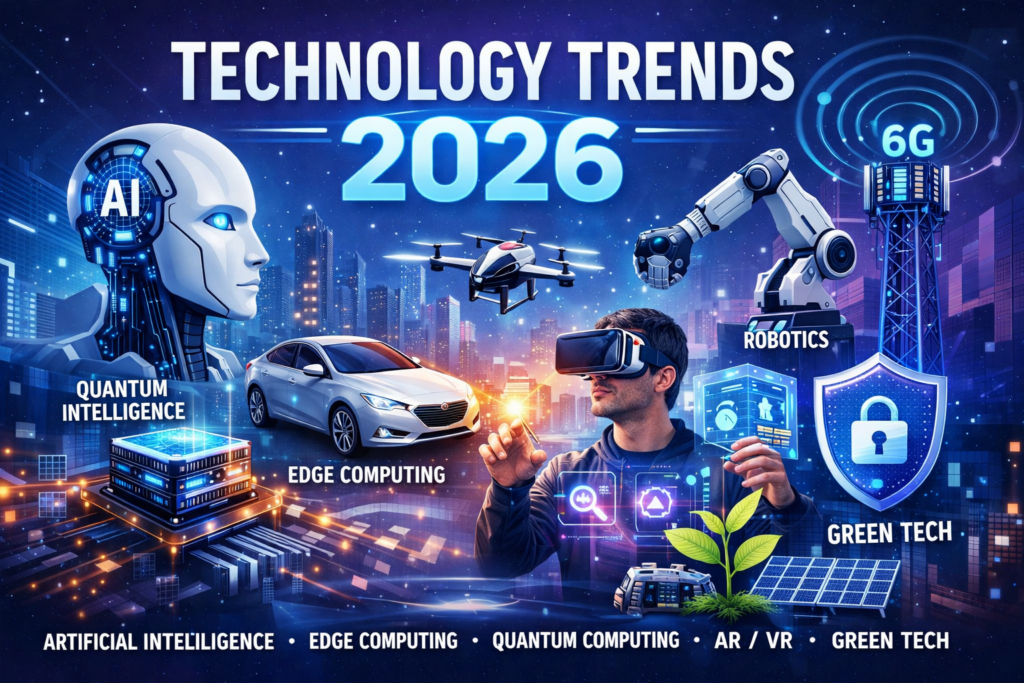
The Gadget Tech Acceleration
Why is gadget tech advancing so rapidly right now? Competition between major manufacturers has intensified dramatically. Apple, Samsung, and emerging brands are racing to deliver next-gen user experience features that genuinely matter to consumers. The real story isn’t just about raw specs—it’s about integration. Modern devices now blend AI processing, biometric security, and adaptive displays into cohesive ecosystems. According to The Verge, these innovations represent a fundamental shift in how gadget tech prioritizes efficiency over raw power.
Hardware Specs Leading the Charge
Current gadget tech specifications reflect this integration philosophy. Latest flagship processors now feature 16-core architectures with dedicated AI accelerators, delivering up to 40% faster processing than 2025 models. Display technology has evolved dramatically—120Hz AMOLED panels with adaptive refresh rates are now standard, not premium. Battery innovations include graphene-enhanced cells offering 25% longer endurance on moderate usage. Pricing remains competitive: premium flagships range from $899–$1,299, while mid-range it options deliver 80% of flagship performance at $499–$699.
| Category | 2025 Standard | 2026 this |
| Processor Cores | 8-10 | 12-16 |
| Display Refresh | 90Hz | 120Hz |
| Battery Capacity | 4,500mAh | 5,200mAh |
What This Means for Users
The implications of the technology advancement extend beyond specs. Next-gen smartphone innovations now enable real-time language translation, advanced computational photography, and predictive battery management. Users benefit from devices that learn preferences and adapt automatically. The catch? Software maturity lags hardware capability. Many cutting-edge the tool features require optimization updates rolling out throughout 2026. This matters because early adopters may experience occasional bugs before stability improves.
Key Takeaways
Q: Which this approach category is advancing fastest?
Display and AI processing are leading. AMOLED innovation and neural accelerators are pushing the most dramatic improvements in user experience.
Q: Is premium the platform worth the price difference?
Not always. Mid-range options now deliver 85% of flagship performance at half the cost—a genuine value shift in 2026.
Q: When will these innovations reach budget devices?
Expect 12–18 months. Snapdragon chipsets set the pace, trickling down to affordable segments by Q4 2026.
Q: What’s the biggest user experience improvement?
Adaptive displays and AI-powered battery management. These directly impact daily usability without requiring new habits.
it in 2026 proves that meaningful innovation doesn’t always mean radical redesign—it means smarter integration of proven technologies working in harmony.