
 SA329 (82.3 ov)
 AUS
AUS BAN7/0 (4.5 ov)
 WI
WI IND-W
IND-W ZIM-W
ZIM-W GOA
GOA SC Delhi
 Milan
Milan Bologna
 Parma
Parma Udinese
 Venezia
 Inter Milan
 Genoa
Genoa Juventus
 Monza
Monza Napoli
 UAE
UAE OMA
OMA ROMA4
ROMA4 CAG2
CAG2 TOR1
TOR1 COMO3
COMO3 SAS2
SAS2 LAZ6
LAZ6 AFG177
 ZIM140 (19.1/20 ov, target 178)
 AUCK
AUCK CANT
CANT CD
CD ND
ND SIKM184
 NAGA187 & 79/5 (50 ov)
 JHK131/4 (47 ov)
 DELHI515/5d
 ODSA194
 SVCS13/0 (5 ov)
 BRODA616
 J & K6/0 (4 ov)
 CHD685/5d
 HP49/0 (14 ov)
 CGR216/8 (95 ov)
 AP231
AP231 HYD193/2 (54 ov)
 PNJB431
 KNTKA297/7 (95 ov)
 TPURA194
 ENG
ENG SL
SL DEN
DEN QAT
QAT KENYA
KENYA KUW
KUW POA
POA SPR
SPR BRB
BRB VAG
VAG PAK110
 NAM316/7
 IRE253 (44.5/50 ov, target 317)
 NZ198/3
 IND199/4 (13.2/20 ov, target 199)
 NED371/5
 JAB113 (19.3/20 ov, target 133)
 KAY132/9
 Al Khaleej
 Al Hazem
 Gamba Osaka
 Buriram
 ABH0
ABH0 ALF1
ALF1 Sevilla2
 Osasuna0
 PSG2
PSG2 Lyon0
Lyon0
Next-Gen Smartphone makers are moving beyond basic fingerprint sensors and face unlock, packing advanced biometric technology into next-generation handsets launching in 2026. Samsung, Apple, and OnePlus are all adding ultrasonic fingerprint readers, iris recognition systems, and behavioral biometrics to their flagship models—a major shift toward multi-layered security that’s much harder to crack. This reflects what consumers actually want: better privacy protection as phones handle everything from banking to health data.
Next-Gen Smartphone Security: What Happened
Samsung confirmed in early March 2026 that the Galaxy S26 Ultra will ship with next-generation ultrasonic under-display fingerprint sensors that can read your fingerprint even when your fingers are wet or you’re using a glass protector—something earlier versions struggled with. Apple’s rumored iPhone 18 Pro is expected to add iris recognition as a second layer of security alongside Face ID.
OnePlus and Xiaomi are testing behavioral biometrics—systems that recognize you based on how you type, swipe, and hold your phone—running silently in the background as a passive security measure.
These announcements came during Mobile World Congress 2026, where security was the hot topic across every manufacturer’s presentation. Word from industry sources suggests these features will start rolling out to mid-range devices by Q4 2026, not just the premium models.
Next-Gen Smartphone Security: Why This Matters
Biometric security is now your phone’s first line of defense against fraud. Passwords and PINs just don’t cut it anymore—people reuse the same ones everywhere, and hackers keep getting smarter. Our guide to smartphone security protocols shows how behavioral authentication fills the gaps that static biometrics leave open.
Here’s what makes these innovations real solutions: ultrasonic fingerprint sensors use high-resolution 3D imaging to resist spoofing attempts. Iris recognition needs living tissue—printed photos won’t work. Behavioral biometrics? An attacker would need to copy your fingerprint, your typing speed, and your grip strength all at once. That’s exponentially harder.
The stakes are high. Stolen phones and unauthorized access cost people billions every year. Banks and fintech apps now require biometric verification for larger transactions. Even governments are demanding stronger authentication for digital identity services.
Key Details & Numbers
| Feature | Launch Timeline | Expected Accuracy |
|---|---|---|
| Ultrasonic Fingerprint (3rd Gen) | Q2 2026 (Samsung) | 99.8% False Rejection Rate |
| Iris Recognition | Q3 2026 (Apple) | 99.99% Accuracy |
| Behavioral Biometrics | Q4 2026 (Multiple OEMs) | 94-97% Detection Rate |
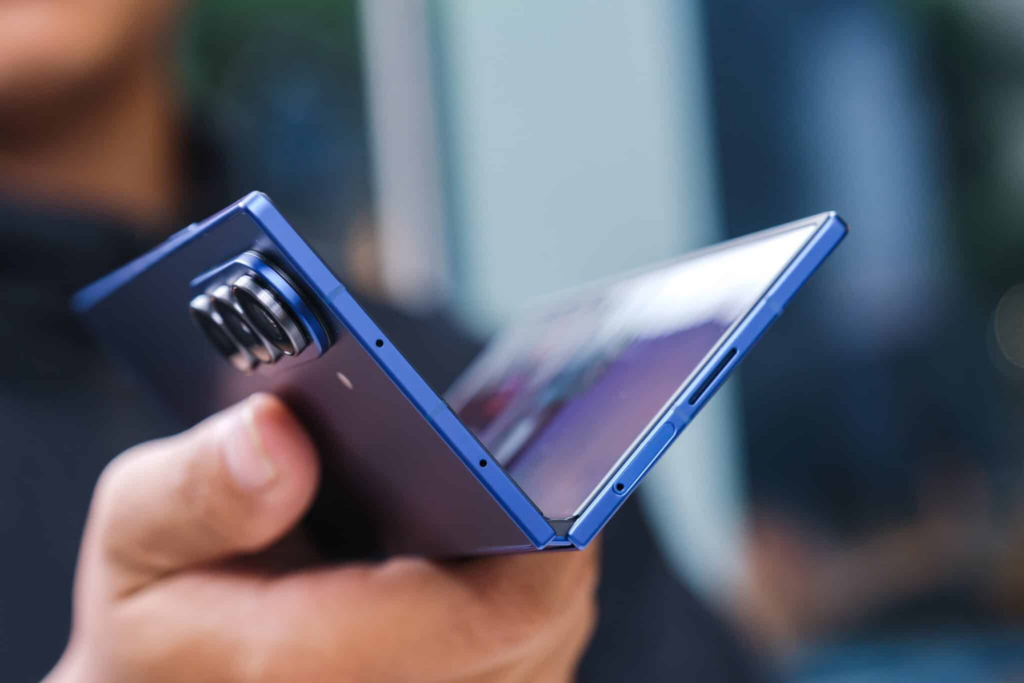
Samsung’s ultrasonic sensor runs at 120MHz frequency—twice what they had in 2024—and unlocks your phone in just 0.3 seconds. Apple’s iris system works from up to 30 centimeters away, so you don’t have to shove the phone in your face. Behavioral biometric systems track over 200 data points per second—keystroke timing, touch pressure, how fast you accelerate—to build a unique profile of you.
Battery life? Not a concern. The ultrasonic sensor uses less than 2% extra power. Behavioral monitoring piggybacks on existing processors, so it barely touches your battery at all.
Industry Reaction
Security researchers at Kaspersky Lab like the multi-layered approach but aren’t calling it foolproof. “Stacking three authentication methods makes it way harder for attackers,” a Kaspersky spokesperson said. “But people need to understand these are tools, not magic.”
Consumer privacy groups aren’t as convinced. The Electronic Frontier Foundation raised red flags about iris recognition, since iris patterns are permanent—if they get stolen, you can’t just change them like a password. Manufacturers shot back by saying they’d keep biometric data on your phone only, never sending it to the cloud without your say-so.
Banks and telecom companies are all in. Vodafone and ICICI Bank both said they’d integrate these biometric standards into their authentication by mid-2026.
What’s Next
You’ll see these features spread fast across all price points. Qualcomm’s newest Snapdragon chips include dedicated biometric security hardware, which makes it cheaper for mid-range brands to add these features. Behavioral biometrics should become standard by 2027, not just a premium perk.
The real test comes when these systems hit the real world—sweaty fingers, bad lighting, scratched screens. Early adopters will show us whether this tech lives up to the hype or if it’s just the next generation of fingerprint sensor problems.


