UAE244/8
 NED205/7 (36.5/50 ov, target 245)
 PAK27/1 (5.5/50 ov, target 242)
 ENG241
 IND-W328/6
 ZIM-W10/0 (0.6/50 ov, target 329)
 INT0
 FIO0
 CHU2
 PFC2
 FOR0
 EXC0
 Hibernian1
 Celtic1
 NGA
 UGA
 ATH
 GET
 MEX-W
 ARG-W
 CRY
 NEW
 HUL
 BRE
 LIV
 BHA
 MAN
 BOU
 ATA
 FRO
 MOZ110/7 (19/20 ov, target 110)
 ZMB109/9
 GMB112/9
 LES109 (19.5/20 ov, target 113)
 Atlético1
 Deportivo0
 DEN
 PNG
 KENYA
 JER
 MOUNT185
 TUSK48/2 (12.4/50 ov, target 186)
 ROCKS73/4 (17/50 ov, target 287)
 EAGLE286/7
 LIMWn
 NW-W
 NCWmn
 FsWm
 SWD-W
 EPR-W
 TTN-W
 WPR-W
 BOL
 TITNS137/8 (20 ov)
 MIS
 VAG
 BRB
 MOW
 TOK
 SIKM
 NAGA
 JHK
 DELHI
 GEN
 VEN
 MON
 LILL
 Lazio2
 Parma1
 Lens2
 Paris FC1
 Al Riyadh2
 Al Taawoun1
 Chelsea0
 Spurs2
 Valencia1
 Villarreal2
Navigating the compact SUV market in July 2026 means looking beyond shiny marketing materials and focusing on what really matters in ownership.
As of July 28, 2026, the compact SUV category remains one of the top-selling vehicle classes worldwide, led by popular brands like Toyota, Hyundai, Honda, Kia, and Volkswagen. But picking the right model requires cutting through the fluff to assess engineering longevity, daily usability, and resale value.
Is it actually practical for daily city driving and highway cruising?
City buyers often find it tough to balance garage space with the need for stability on the highway. The modern compact SUV strikes a great balance, providing elevated seating for better visibility without the awkward parking challenges of larger vehicles. These designs are made to handle crowded city streets while maintaining a solid feel at highway speeds.
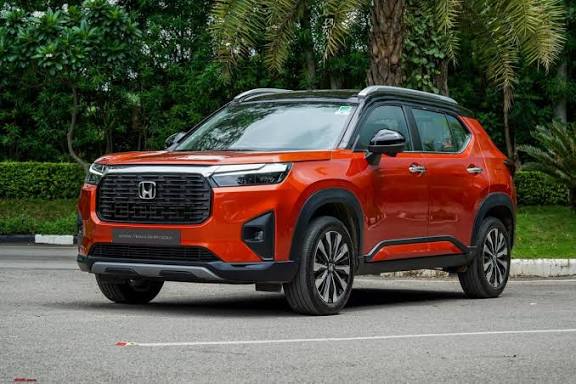
“The modern compact vehicle architecture bridges the gap between nimble hatchback maneuverability and utility-focused cabin packaging,” explains Motor Trend senior analyst Marcus Vance.
That said, rear-seat legroom can vary widely among different brands in this category. Buyers should definitely check out the rear seating, especially with child seats or adult passengers, before finalizing any purchase.
How do real-world SUV fuel economy and powertrain options compare to official claims?
Fuel efficiency plays a big role in ongoing costs, but factory-claimed figures often don’t match up with real-world driving, especially in stop-and-go situations. Generally, petrol-powered compact SUVs see fuel economy drop by about fifteen to twenty percent in heavy traffic compared to lab tests. In contrast, hybrid and diesel models handle urban congestion much better, using regenerative braking and low-end torque to save fuel.
| Powertrain Type | Urban Efficiency | Highway Efficiency |
|---|---|---|
| Petrol Turbo | 10-12 km/l | 15-17 km/l |
| Strong Hybrid | 18-22 km/l | 20-23 km/l |
| Diesel Manual | 14-16 km/l | 20-22 km/l |
Here’s the thing: while the initial cost matters,
What safety features and structural protections should you expect?
Just having passive safety features doesn’t cut it anymore, especially with so many distracted drivers and large trucks on the road. Advanced Driver Assistance Systems (ADAS) combined with at least a five-star crash test rating have become essential.
According to Car and Driver, structural upgrades in the latest models have significantly improved occupant safety. Buyers should check that crucial features like autonomous emergency braking and lane-keeping assist come standard across all trims, not just in high-end packages.
How does depreciation impact the long-term resale value of a compact SUV?
Depreciation is often the biggest hidden cost for owners over a typical five-year period. Popular compact SUVs tend to hold about sixty to sixty-five percent of their original value after three years, which is better than standard sedans and hatchbacks. Factors like brand reputation and the shift toward EVs heavily influence these numbers.
Choosing a trim with desirable features—like ventilated seats, connected car tech, and automatic transmissions—can help protect your resale value. On the flip side, base models or discontinued colors usually take a hit when you trade them in.
Looking ahead, the automotive world is set to embrace more electrification and software-driven designs, which will redefine what we expect from compact SUVs. Buyers stepping into this market need to balance immediate needs with the fast-changing regulatory and tech landscape.
This segment will likely continue rewarding buyers who prioritize safety and fuel efficiency over flashy designs.