SA329 (82.3 ov)
 AUS
AUS BAN
BAN WI
WI IND-W
IND-W ZIM-W
ZIM-W GOA
GOA SC Delhi
 Milan
Milan Bologna
 Parma
Parma Udinese
 Venezia
 Inter Milan
 Genoa
Genoa Juventus
 Monza
Monza Napoli
 UAE
UAE OMA
OMA ROMA4
ROMA4 CAG2
CAG2 TOR1
TOR1 COMO3
COMO3 SAS2
SAS2 LAZ6
LAZ6 AFG177
 ZIM140 (19.1/20 ov, target 178)
 AUCK
AUCK CANT
CANT CD
CD ND
ND SIKM184
 NAGA187 & 58/4 (42.2 ov)
 JHK131/4 (47 ov)
 DELHI515/5d
 ODSA194
 SVCS13/0 (5 ov)
 BRODA616
 J & K6/0 (4 ov)
 CHD685/5d
 HP49/0 (14 ov)
 CGR216/8 (95 ov)
 AP231
AP231 HYD193/2 (54 ov)
 PNJB431
 KNTKA297/7 (95 ov)
 TPURA194
 ENG
ENG SL
SL DEN
DEN QAT
QAT KENYA
KENYA KUW
KUW POA
POA SPR
SPR BRB
BRB VAG
VAG PAK110
 NAM316/7
 IRE253 (44.5/50 ov, target 317)
 NZ198/3
 IND199/4 (13.2/20 ov, target 199)
 NED371/5
 JAB113 (19.3/20 ov, target 133)
 KAY132/9
 Al Khaleej
 Al Hazem
 Gamba Osaka
 Buriram
 ABH0
ABH0 ALF1
ALF1 Sevilla2
 Osasuna0
 PSG2
PSG2 Lyon0
Lyon0
Family trauma has become a central theme in contemporary documentary cinema, with filmmakers using the festival circuit to examine intergenerational pain and silence. CPH:DOX, Copenhagen’s prestigious documentary festival, has emerged as a crucial platform where artists tackle family trauma through intimate, unflinching narratives. The festival’s recent programming highlights a growing trend: documentarians are no longer avoiding difficult family stories—they’re centering them as vehicles for broader social understanding.
Why Family Trauma Matters in Documentary
Documentaries examining family trauma do something crucial: they turn private pain into shared recognition. When filmmakers investigate how stories emerge through generational narratives, they’re validating experiences that families typically keep locked away. This isn’t just documenting dysfunction—it’s saying these things matter.
The shift toward this subject matter reflects where audiences are now. They want authenticity, not sanitized versions of family life. CPH:DOX understands this hunger, programming work that refuses to look away from inherited wounds and unspoken resentments.
CPH:DOX’s Approach to Personal Stories
Copenhagen’s festival positions itself as a space where family trauma can be examined without judgment or melodrama. Documentarians submitting work about family dysfunction find an audience ready to engage with complexity. Rather than sensationalizing conflict, these films often focus on what remains unsaid—the silences that define relationships more powerfully than arguments ever could.
Through careful reconstruction of personal histories, filmmakers create frameworks for viewers to understand their own family patterns. The festival’s curatorial philosophy emphasizes restraint. Effective family trauma documentaries don’t shout—they whisper, letting viewers complete the emotional picture themselves.
The Power of Silence in Narrative
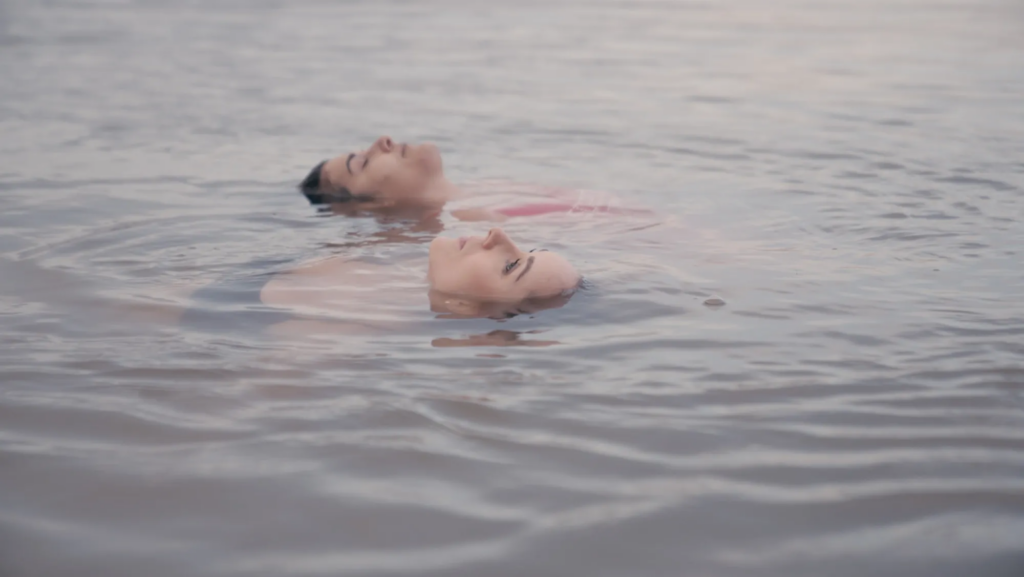
“Where the Silence Is Heard” encapsulates what makes contemporary documentary cinema compelling. The title itself suggests that absence speaks louder than presence. When documentarians explore this lens, they’re working against decades of cinema that treated family dysfunction as backdrop rather than subject.
These films demand that we listen to what isn’t being said—the conversations that never happened, the apologies that never came, the love that couldn’t be articulated. Documentaries that center marginalized voices have proven that this dynamic isn’t isolated to one culture or class. It’s universal—which is precisely why CPH:DOX’s programming matters. By elevating these stories, the festival validates the experience of audiences who’ve lived through similar silences.