UAE38/0 (8.1/50 ov)
 NED
NED PAK
PAK ENG
ENG IND-W
IND-W ZIM-W
ZIM-W GMB
GMB LES
LES MOZ
MOZ ZMB
ZMB Inter Milan
 Fiorentina
 Churchill
 Punjab FC
 NGA
NGA UGA
UGA Athletic
 Getafe
 MEX-W23 (9.3/20 ov, target 189)
 ARG-W188/5
 ATM1
ATM1 DEP0
DEP0 LAZ2
LAZ2 PAR1
PAR1 RCL2
RCL2 PAR1
PAR1 NZ-A317
 IND-A113 & 106/2 (36 ov)
 SYL
SYL KHU
KHU MYMS299/4 (87 ov)
 CHATT
CHATT DHA293/3 (84.1 ov)
 RAJ
RAJ RAN320/5 (80 ov)
 BAR
BAR DEN
DEN PNG
PNG KENYA
KENYA JER
JER NAM321/6
 IRE290 (47.3/50 ov, target 322)
 C Palace
 Newcastle
 Hull
Hull Brentford
 Liverpool
 Brighton
 Man United
 Bournemouth
 Atalanta
 Frosinone
 RIY2
RIY2 TAA1
TAA1 CHE0
CHE0 TOT2
TOT2 VAL1
VAL1 VIL2
VIL2
Toyota Camry rolled out its updated mid-size sedan globally on Friday, July 31, 2026, with a starting MSRP of $28,400 for the LE base variant. Analysts from industry research outlets are keeping a close eye on how changes in powertrain technology shape modern commuter preferences. The new fifth-generation hybrid system boasts impressive fuel economy thanks to specific mechanical choices that set it apart from traditional internal combustion engines. Let’s dive into the engineering philosophy that pushes this platform forward.
What are the powers of the Toyota Camry’s 225-horsepower hybrid architecture?
Engineering Analysis: Toyota Camry: The powertrain relies on a naturally aspirated 2.5-liter 4-cylinder engine paired with permanent magnet synchronous motors. Together, they produce a combined output of 225 horsepower for the front-wheel-drive hybrid model.
The internal combustion engine alone generates 188 lb-ft of torque, thanks to a high compression ratio and dual variable valve timing. This combination helps the sedan navigate city traffic while using minimal fuel.
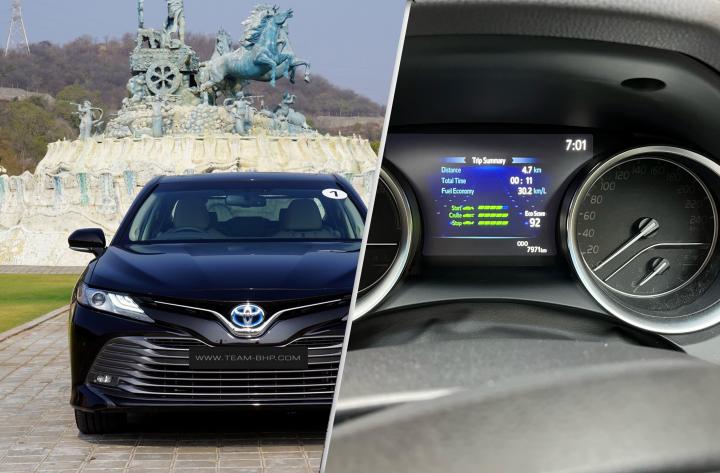
Thermal efficiency reaches an impressive forty-one percent in optimal operation.
This setup directly influences vehicle dynamics, allowing it to accelerate from 0-60 mph in just 7.2 seconds while keeping fuel consumption in check. That said, efficiency heavily depends on how well the power control unit manages electrical assistance. So, how does the energy management system enhance the total driving range in various conditions?
How does the system achieve 663 miles of total driving range?
Range anxiety is common for long-distance travelers, but hybrid technology helps alleviate this by capturing kinetic energy through regenerative braking. The LE hybrid model offers an impressive 663 miles of total driving range on a single tank by intelligently balancing electrical and thermal output. Energy recuperation effectively routes deceleration.
Engineers refined the transaxle layout to cut mechanical drag losses by nearly fifteen percent compared to earlier versions. Reviewers at detailed vehicle evaluations highlight how these reductions add up during long highway trips. Still, optimizing hardware is just part of the engineering challenge. What’s next for Toyota’s broader electrification strategy in the coming months?
What developments shape the future of this platform?
Future versions of this mid-size platform are likely to feature lighter composite materials and denser battery chemistries, enhancing efficiency even further. Competitors in the global mid-size sedan market are paying close attention as stricter emission standards push for broader hybrid adoption. How the market responds to the entry-level pricing strategy will influence how quickly manufacturing ramps up component production through late 2026.
Toyota Camry also plans to share hybrid components across upcoming crossover models to reduce per-unit manufacturing costs. Ultimately, rigorous mechanical integration aims to maintain traditional driving comfort while meeting tough global efficiency standards.
Future updates will show whether these efficiency improvements translate into sustained market leadership in competitive global segments. Stay tuned for more on Engineering Analysis: Toyota.