
 SA329 (82.3 ov)
 AUS
AUS BAN
BAN WI
WI IND-W
IND-W ZIM-W
ZIM-W GOA
GOA SC Delhi
 Milan
Milan Bologna
 Parma
Parma Udinese
 Venezia
 Inter Milan
 Genoa
Genoa Juventus
 Monza
Monza Napoli
 ROMA4
ROMA4 CAG2
CAG2 TOR1
TOR1 COMO3
COMO3 SAS2
SAS2 LAZ6
LAZ6 AFG177
 ZIM140 (19.1/20 ov, target 178)
 AUCK
AUCK CANT
CANT CD
CD ND
ND SIKM184
 NAGA187 & 46/4 (34 ov)
 JHK131/4 (47 ov)
 DELHI515/5d
 ODSA194
 SVCS13/0 (5 ov)
 BRODA616
 J & K6/0 (4 ov)
 CHD685/5d
 HP49/0 (14 ov)
 CGR216/8 (95 ov)
 AP231
AP231 HYD193/2 (54 ov)
 PNJB431
 KNTKA297/7 (95 ov)
 TPURA194
 KER101/6 (35 ov)
 BENG350
 UAE
UAE OMA
OMA ENG
ENG SL
SL DEN
DEN QAT
QAT KENYA
KENYA KUW
KUW POA
POA SPR
SPR BRB
BRB VAG
VAG PAK110
 NAM316/7
 IRE253 (44.5/50 ov, target 317)
 NZ198/3
 IND199/4 (13.2/20 ov, target 199)
 NED371/5
 JAB113 (19.3/20 ov, target 133)
 KAY132/9
 Gamba Osaka
 Buriram
 Kashima
 Pohang Steelers
 ABH0
ABH0 ALF1
ALF1 Sevilla2
 Osasuna0
 PSG2
PSG2 Lyon0
Lyon0
Elon Musk has officially filed a lawsuit against OpenAI in the U.S. District Court for the Northern District of California today, April 28, 2026. The suit alleges breach of contract and misuse of proprietary information, marking a dramatic escalation in the ongoing tensions between the tech mogul and the AI research lab he co-founded.
The court’s preliminary hearing yesterday, April 27, 2026, saw the revelation of excerpts from Elon Musk‘s private diary, offering a personal glimpse into his perspective during OpenAI’s formative years from 2015 to 2018. While OpenAI’s latest AI model, GPT-5, was announced on March 15, 2026, there is no disclosed connection to this legal action. No official specs or product launches related to this lawsuit have been announced by either party.
Musk’s Legal Accusations Against OpenAI
The core of Elon Musk’s lawsuit centres on allegations that OpenAI has strayed from its original mission as a non-profit research organisation dedicated to benefiting humanity. Musk contends that the company has become a de facto subsidiary of Microsoft, prioritizing profit over its founding principles.
The lawsuit specifically claims a breach of contract, arguing that OpenAI violated the founding agreement by pursuing commercial ventures and developing AI for profit, rather than for the broad advancement of artificial general intelligence (AGI) for all. The demand for damages exceeds $100 million, alongside an injunction to prevent OpenAI from using Musk’s alleged proprietary AI research. This legal challenge brings to the forefront the complex ethical and commercial debates surrounding the rapid development of advanced AI.
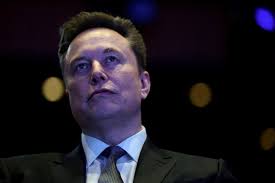
Diary Excerpts Expose Personal Stakes
The most compelling aspect of yesterday’s preliminary hearing was the court’s decision to reveal excerpts from Elon Musk’s private diary, penned between 2015 and 2018. These personal writings suggest a deep-seated concern from Musk that OpenAI was not adhering to its original charter, even during its early stages.
One entry reportedly details Musk’s frustration with the perceived shift towards a more commercially driven agenda, even as he was instrumental in its founding in December 2015 alongside Sam Altman and others. These diary entries are likely to be crucial in substantiating Musk’s claims of a foundational breach of contract and provide a narrative of his personal disillusionment with the direction of the organization. The court’s acceptance of these personal documents signals the gravity with which the allegations are being treated.
The Shifting Landscape of AI Development
This lawsuit arrives at a critical juncture for the artificial intelligence industry. OpenAI, a leader in generative AI, has seen tremendous growth and public attention, particularly with the recent announcement of GPT-5. However, the company has also faced scrutiny regarding its governance and its increasingly close ties with Microsoft. Elon Musk’s departure from the OpenAI board in February 2018, though he remained a donor until 2019, has always been a point of contention. His legal action now forces a public examination of the foundational agreements and the ethical considerations that underpin the development of powerful AI technologies. The broader implications for AI research, funding models, and corporate responsibility are significant, as highlighted by TechCrunch‘s ongoing coverage of the sector.
What Comes Next for OpenAI and Musk
The immediate future for both Elon Musk and OpenAI is now entangled in legal proceedings. The demand for damages and an injunction suggests Musk is seeking not only financial compensation but also a fundamental shift in OpenAI’s operational and developmental trajectory. The court’s examination of his private diary entries suggests a willingness to delve into the personal history and motivations behind the founding of the organization. This case could set a precedent for how AI development is governed and how intellectual property is protected within rapidly evolving research landscapes. Many in the tech community, including those previously covered by Wired, are watching closely to see how these disputes will shape the future of AGI development and its commercialization. VentureBeat has also noted the increasing number of legal challenges within the AI space.
FAQs
Why is Elon Musk suing OpenAI?
Elon Musk is suing OpenAI over alleged breaches related to the use of proprietary technology and intellectual property, claiming that OpenAI has violated agreements made when he was involved with the company.
What details have been revealed about Elon Musk’s private diary?
The court has disclosed excerpts from Elon Musk’s private diary, which include personal reflections and insights related to his involvement with OpenAI and his concerns about the organization’s direction.
How might the lawsuit impact OpenAI’s future?
The lawsuit could lead to significant legal and financial consequences for OpenAI, potentially affecting its research, partnerships, and public perception depending on the case’s outcome.
Has Elon Musk commented publicly on the lawsuit?
Elon Musk has made limited public statements but has expressed concerns about AI safety and transparency, which are central themes in the lawsuit against OpenAI.


