
 SA329 (82.3 ov)
 AUS
 ROMA0
 CAG0
 TOR0
 COMO0
 ALS3
 HIL1
 BRD0
 PET0
 BAN
 WI
 IND-W
 ZIM-W
 GOA
 SC Delhi
 Milan
 Bologna
 Parma
 Udinese
 Venezia
 Inter Milan
 Genoa
 Juventus
 Monza
 Napoli
 SAS2
 LAZ6
 AFG177
 ZIM140 (19.1/20 ov, target 178)
 ABH0
 ALF1
 PAK110
 SL114/2 (18.1/50 ov, target 111)
 SIKM184
 NAGA187 & 46/4 (34 ov)
 JHK131/4 (47 ov)
 DELHI515/5d
 ODSA194
 SVCS13/0 (5 ov)
 BRODA616
 J & K6/0 (4 ov)
 CHD685/5d
 HP49/0 (14 ov)
 CGR216/8 (95 ov)
 AP231
 HYD193/2 (54 ov)
 PNJB431
 KNTKA297/7 (95 ov)
 TPURA194
 KER101/6 (35 ov)
 BENG350
 MAHA278/9 (100 ov)
 GUJ223
 MNPR364
 ARP111 & 95/2 (36 ov)
 UAE
 OMA
 AUCK
 CANT
 CD
 ND
 DEN
 QAT
 KENYA
 KUW
 POA
 SPR
 NAM316/7
 IRE253 (44.5/50 ov, target 317)
 NZ198/3
 IND199/4 (13.2/20 ov, target 199)
 NED371/5
 JAB113 (19.3/20 ov, target 133)
 KAY132/9
 EXC1
 ADO1
 SES2
 ESP2
 BEN1
 CAT0
 WIM1
 ARS2
 SHO0
 ALH1
 UDC0
 ALM0
 ALC0
 LPA0
 TORD2
 MIR0
 FLE
 ARS
 Gamba Osaka
 Buriram
 Sevilla2
 Osasuna0
 PSG2
 Lyon0
 Mohun Bagan1
 Chennaiyin0
 SAA2
 EST0
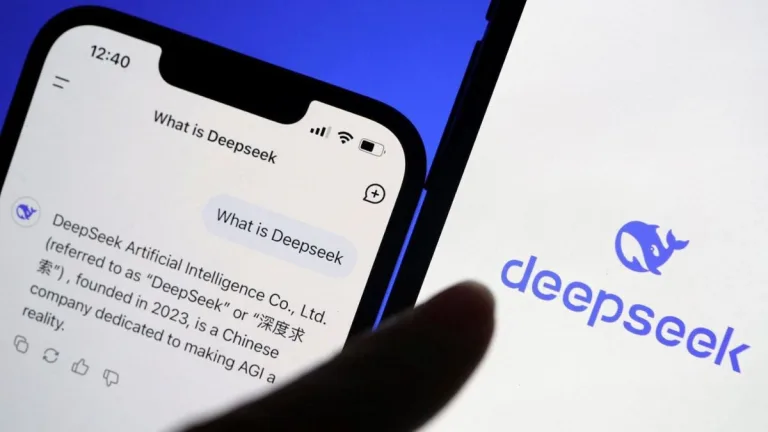
In May 2026, DeepSeek made a bold move by permanently cutting its AI API prices. This shift signals a significant development in the ongoing race for dominance in the AI sector. DeepSeek AI plays a pivotal role in how this narrative unfolds.
This action by the Hangzhou-based firm, under the umbrella of the quantitative hedge fund High-Flyer, directly challenges the pricing strategies of Western giants like OpenAI, Google, and Anthropic. These companies felt the heat throughout 2025, adjusting their API prices to counter the competitive threat posed by Chinese AI firms. It’s clear that you can’t overlook DeepSeek AI in this scenario.
Since the launch of the DeepSeek R1 model on January 20, 2025, the market has experienced considerable upheaval. That day alone saw NVIDIA’s market cap drop by a staggering $600 billion, signaling to investors that high-performance AI could be offered at a much lower cost than before. The current situation for DeepSeek AI is changing quickly.
Reports suggest that the R1 model was trained at a cost of around $5.6 million. While some dispute this figure, it starkly contrasts with the multi-hundred-million-dollar training budgets typical of Silicon Valley companies.
DeepSeek AI: The Semiconductor Context and Strategic Shift
The current price war ties closely to China’s fast-growing semiconductor production from 2025 to 2026. This initiative aims to navigate around U.S. export controls, specifically those imposed by the Commerce Department in October 2023, limiting access to high-end NVIDIA A100 and H100 GPUs. (Source: TechCrunch)
By refining software to work efficiently with available hardware, companies like DeepSeek show that innovation in architecture can help offset the challenges posed by restricted chip supply chains.
Many believe this price war can’t last. However, some analysts argue that the large overhead costs for safety alignment and multimodal research will create a price floor that smaller players can’t endure.
Yet, the reality tells a different story: DeepSeek’s app climbed to the #1 spot on the Apple App Store in the U.S. in early 2025, indicating that their low-cost, high-performance strategy is gaining traction among both consumers and developers.
DeepSeek AI: Comparative API Cost Structures
The table below showcases the current dynamics as major providers adapt their strategies to keep pace with new pricing standards.
| Provider | Primary Strategy | Market Position |
|---|---|---|
| DeepSeek | Low-cost API dominance | Aggressor |
| OpenAI | Premium ecosystem value | Incumbent |
| Integrated cloud services | Incumbent | |
| Anthropic | Safety-first enterprise focus | Incumbent |
The big question is how long Western companies can uphold their current business models while slashing prices to keep enterprise clients. We believe this ongoing pressure will push brands to optimize their supply chains and research expenses significantly before the year wraps up. (Source: The Verge)
While legacy providers count on brand loyalty, developers increasingly show a readiness to switch to cost-effective options that deliver similar performance in token processing and model inference.
Looking ahead, the emphasis will shift from sheer performance to integration speed and the overall developer experience. As these global tech leaders continue their battle, the real winners will be the startups and enterprises gaining access to advanced AI capabilities without facing the high costs of the past.
We anticipate more consolidation or strategic partnerships as companies seek to strengthen their infrastructure against these ongoing pricing pressures.
FAQs
Why did DeepSeek slash its prices?
DeepSeek is capitalizing on internal efficiencies and a strategic focus on model architecture, looking to capture significant market share from established Western AI leaders.
How are Western competitors responding to these cuts?
OpenAI, Google, and Anthropic have all reduced their prices throughout 2025 to keep their enterprise clients and align with the market’s changing expectations for API costs.
What is the role of the semiconductor surge in this price war?
China’s rise in domestic semiconductor production helps companies sidestep export restrictions on advanced chips, enabling the creation and launch of high-performance models at lower costs.
How does the DeepSeek price reduction impact the competitive landscape for OpenAI and Google?
DeepSeek’s lower prices push OpenAI and Google to cut their API costs to stay competitive, effectively sparking a global AI cost war as they try to maintain market share against DeepSeek’s aggressive pricing approach.
Why does the China chip surge enable DeepSeek to implement these permanent price cuts?
The surge in China’s chip production gives DeepSeek a more reliable and affordable supply of domestic hardware, allowing them to lower operational costs and pass those savings directly to developers through reduced API pricing.


