POR2
 CLT2
 SD1
 SEA2
 UAE
 NED
 PAK
 ENG
 IND-W
 ZIM-W
 GMB
 LES
 MOZ
 ZMB
 Inter Milan
 Fiorentina
 Churchill
 Punjab FC
 NGA
 UGA
 MEX-W23 (9.3/20 ov, target 189)
 ARG-W188/5
 ATM1
 DEP0
 LAZ2
 PAR1
 RCL2
 PAR1
 NZ-A317
 IND-A113 & 75/2 (24.5 ov)
 SYL
 KHU
 MYMS299/4 (87 ov)
 CHATT
 DHA293/3 (84.1 ov)
 RAJ
 RAN320/5 (80 ov)
 BAR
 DEN
 PNG
 NAM321/6
 IRE290 (47.3/50 ov, target 322)
 Athletic
 Getafe
 C Palace
 Newcastle
 Hull
 Brentford
 Liverpool
 Brighton
 Man United
 Bournemouth
 Atalanta
 Frosinone
 RIY2
 TAA1
 CHE0
 TOT2
 VAL1
 VIL2

Cricket Australia chief executive Todd Greenberg said bilateral ODI series need more “jeopardy” and “meaning,” but warned removing them from the Future Tours Programme (FTP) would trigger a major revenue hit. The comments, published on 2026-08-15 and last updated at 01:55:52 the same day, put fresh focus on how administrators can protect both cricket’s contests and cricket’s commercial model.
Here’s the thing: Greenberg’s pitch is about keeping ODIs relevant without cutting the competition that funds cricket’s wider ecosystem. He argued the ODI format can survive and thrive with its place “inextricably” linked to the World Cup, while the International Cricket Council’s direction of travel appears to demand smarter scheduling discipline.
Greenberg called it a “fine balance” between adding context to bilateral ODIs and defending short-term and long-term income—while also acknowledging it is “not an easy solve.”
Key Details: “jeopardy” vs revenue protection
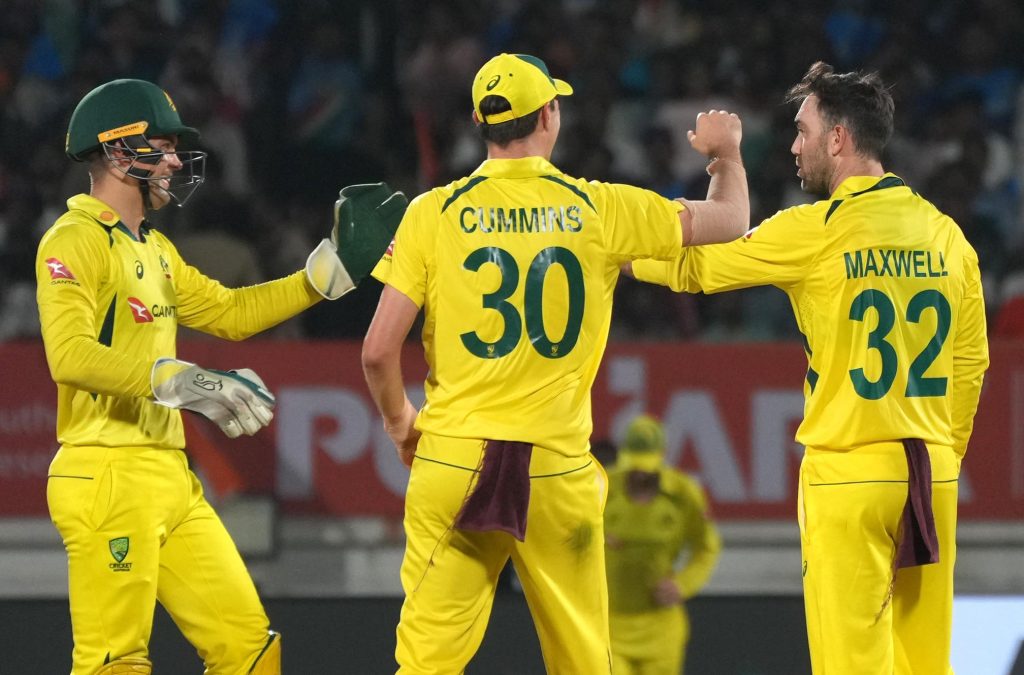
Greenberg said bilateral ODIs must be more than routine fillers, adding that they need greater “jeopardy” and “meaning” to justify their place in the calendar. That framing matters because it addresses a common fan complaint: when series feel interchangeable, the match-level tension drains out.
Yet the revenue angle is where his tone hardened. Greenberg warned that if bilateral ODIs were removed from the FTP entirely, Cricket Australia would face the loss of income streams that underpin its broadcasting agreements. He also said bilateral ODIs make up a “significant portion” of Cricket Australia’s broadcast agreements, meaning any change isn’t just a scheduling discussion—it’s a balance-sheet problem.
As a counterpoint, ICC CEO Sanjog Gupta said the era of “randomly scheduled” bilateral series “has to come to an end.” In other words: the ICC wants bilateral ODIs less arbitrary, but the national board wants safeguards so the sport doesn’t throw away revenue while trying to fix relevance.
Context: How the ODI calendar is being judged
The tension between “context” and “income” is now central to ODI planning. Greenberg’s argument is that bilateral ODIs should remain meaningful through framing, stakes, and timing—especially in relation to the World Cup cycle—rather than being judged as standalone attractions.
Worth noting: Greenberg suggested the ODI format can remain strong when its rhythm is tied closely to the World Cup, implying a calendar where ODIs feel like preparation and momentum-building, not just obligation fixtures. That’s a subtle shift from purely quantity-based thinking (more matches at regular intervals) to a quality-based model (matches with purpose).
This is also where the ICC scheduling critique becomes more than rhetoric. Gupta’s message targets randomness, but it indirectly raises the question boards will ask loudly: if bilateral series are re-structured, who absorbs the revenue gap, and how quickly?
Here’s the thing for Australia’s cricket economy: Greenberg explicitly said it is “not an easy solve” to replace revenues connected to bilateral ODIs. That acknowledgment suggests administrators are likely to explore solutions that change presentation and stakes first—before making aggressive format or programme removals.
Greenberg highlighted that bilateral ODIs are tied to Cricket Australia’s broadcast agreements, and removing them from the FTP would mean a revenue loss that is hard to replace.
What’s Next: A “fine balance” timetable for bilateral ODI reform
The immediate takeaway is that the ODI debate will now be run as a two-track exercise: enhancing match meaning while protecting commercial sustainability. Greenberg framed it as a “fine balance” between creating context for matches and guarding short-term and long-term income, which signals boards are looking for incremental redesign rather than sudden calendar surgery.
Gupta’s “randomly scheduled” critique points to tighter governance around bilateral planning, which could shape how series are packaged and positioned across the cycle. For fans in India following Australia’s ODI ecosystem—whether through broadcasting windows that highlight stakes or through series builds ahead of major tournaments—the next phase is about seeing whether ODIs become appointment-viewing contests again.
Practically, that means Cricket Australia and the ICC are likely to focus on scheduling logic, series framing, and the World Cup-linked narrative—before deciding which bilateral ODI commitments can be modified without breaking the money flow. As Greenberg’s comments land across cricket media, the next step is clear: negotiations on how to create “jeopardy” inside the calendar without wiping out the revenues that keep the format funded.
Related Articles
- Decoding the Intense Historical Rivalry Between Australia and India Cricket Teams
- England v India: Third and Deciding Men’s Cricket ODI – Live
- End of an Era? Rohit Sharma Likely to Retire from International Cricket After Lord's ODI
FAQs
What did Todd Greenberg say about bilateral ODIs?
Todd Greenberg said bilateral ODIs need more “jeopardy” and “meaning,” and he warned that removing bilateral ODIs from the FTP entirely could lead to revenue loss for Cricket Australia, which he said forms a “significant portion” of its broadcast agreements.
How did ICC CEO Sanjog Gupta frame the bilateral ODI scheduling problem?
ICC CEO Sanjog Gupta said the era of “randomly scheduled” bilateral series “has to come to an end,” pushing for bilateral ODI scheduling discipline rather than arbitrary placement.
Why is revenue so central to this bilateral ODI debate?
Because Greenberg said it is “not an easy solve” to replace revenues tied to bilateral ODIs, and he linked bilateral ODIs to Cricket Australia’s broadcast agreements.
Where does the World Cup fit in Greenberg’s plan?
Greenberg said ODIs can survive and thrive with their place “inextricably” linked to the World Cup, suggesting bilateral series should be positioned to build context and momentum around the World Cup cycle.
Was this article helpful?
Your feedback directly improves future articles on this site.