
 SA329 (82.3 ov)
 AUS
AUS AFG177
 ZIM56/3 (9.3/20 ov, target 178)
 SAA0
SAA0 EST0
EST0 SAS
SAS LAZ
LAZ ROMA
ROMA CAG
CAG TOR
TOR COMO
COMO BAN
BAN WI
WI IND-W
IND-W ZIM-W
ZIM-W GOA
GOA SC Delhi
 Milan
Milan Bologna
 Parma
Parma Udinese
 ABH0
ABH0 ALF1
ALF1 PAK110
 SL114/2 (18.1/50 ov, target 111)
 NAM316/7
 IRE253 (44.5/50 ov, target 317)
 NZ198/3
 IND199/4 (13.2 ov)
 SIKM184
 NAGA187 & 46/4 (34 ov)
 JHK131/4 (47 ov)
 DELHI515/5d
 ODSA194
 SVCS13/0 (5 ov)
 BRODA616
 J & K6/0 (4 ov)
 CHD685/5d
 HP49/0 (14 ov)
 CGR216/8 (95 ov)
 AP231
AP231 HYD193/2 (54 ov)
 PNJB431
 KNTKA297/7 (95 ov)
 TPURA194
 KER101/6 (35 ov)
 BENG350
 MAHA278/9 (100 ov)
 GUJ223
 AUCK
AUCK CANT
CANT CD
CD ND
ND DEN
DEN QAT
QAT KENYA
KENYA KUW
KUW POA
POA SPR
SPR BRB
BRB VAG
VAG NED371/5
 OMA265 (49.3/50 ov, target 372)
 JAB113 (19.3/20 ov, target 133)
 KAY132/9
 BIK149 (19.3/20 ov, target 158)
 CHR157/3
 SEEB0
SEEB0 EBFC0
EBFC0 HSV0
HSV0 SGE0
SGE0 RWE0
RWE0 RBL0
RBL0 SGS0
SGS0 FCA0
FCA0 BOC0
BOC0 M050
M050 Venezia
 Inter Milan
 Genoa
Genoa Juventus
 Sevilla2
 Osasuna0
 PSG2
PSG2 Lyon0
Lyon0 Mohun Bagan1
 Chennaiyin0
 BEI2
BEI2 JHM2
JHM2 RCH0
RCH0 KRE0
KRE0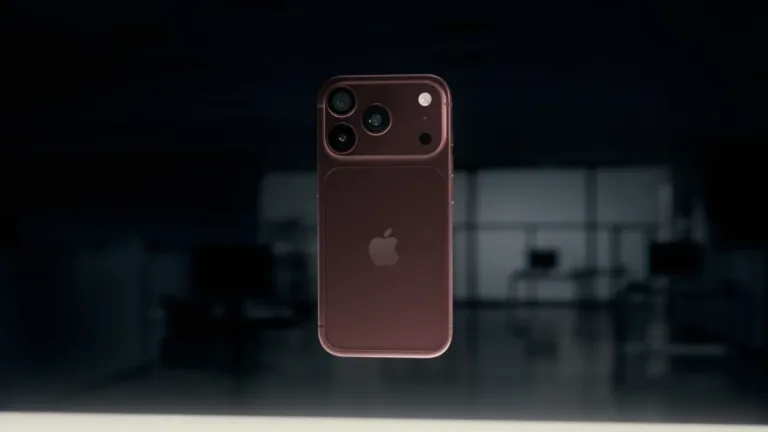
What if your phone could instantly prove whether a photo was taken by you or generated by an algorithm? That is the core promise behind the new Apple Pro lineup announced this Wednesday.
Apple officially unveiled the iPhone 18 Pro on September 16, 2026, positioning its imaging system as the most tamper-proof in the industry. With a confirmed starting Android Authority, the marketing push focuses heavily on cryptographic image signing. Here is how that technology actually works for everyday users.
What Is The Technical Difference Between iPhone And Android Image Proofing?
Apple is introducing a new standard called reference image signing, which acts like a digital notary stamp for every single photo captured. Unlike traditional metadata that can be easily stripped out during file transfers, these cryptographic signatures remain embedded within the image file itself. This means any attempt to alter the pixels using third-party editing software will break the signature, flagging the picture as modified.
While Android manufacturers have experimented with watermarks in previous generations, Apple’s approach integrates the verification process directly into the silicon level. The integration ensures that the proof travels with the image across messaging apps and social platforms without relying on external servers. You can learn more about the underlying C2PA protocols in our earlier coverage on Jensen Huang Apple partnerships. The shift moves the industry away from trusting file extensions toward trusting mathematical proofs. Now we must look at how this stacks up against the current Android ecosystem.
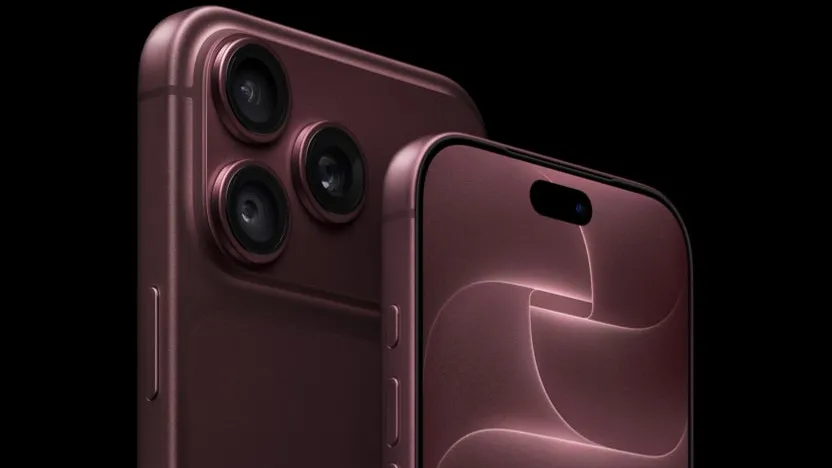
Does This New Security Layer Make Older Phones Obsolete?
Consumers often worry that new security features might force them to upgrade their entire setup immediately. However, the verification process for reference images requires compatible software support on both the sending and receiving ends. If a user sends a cryptographically signed photo from the new flagship to someone using an older device, the recipient’s app simply won’t recognize the new signature format.
Instead of displaying a verified badge, the image will appear as a standard photograph until the viewer updates their software. This creates a temporary transition period where trust signals vary depending on the opeApple Releases iOS introduced major interface overhauls years ago. Users should expect a gradual rollout of compatibility updates across third-party applications. The real value lies in professional workflows where authenticity is legally required.
Can Indian Professionals Afford The Premium For Verified Imaging?
The $999 USD entry point places this device firmly in the premium bracket for global markets. When converted to local currency, the cost becomes even steeper for buyers outside the United States. Budget-conscious consumers might prefer waiting for sales events similar to the
FAQs
When does the iPhone 18 Pro become available for purchase?
The confirmed launch window for the iPhone 18 Pro is scheduled for Friday, September 25, 2026, allowing customers to order ahead of the official release. Does the new security feature work for videos as well as photos? Current implementations primarily focus on still images using cryptographic signatures, though video verification protocols may follow in subsequent software updates.
Will Android phones receive similar protection features soon? Industry leaders are actively developing C2PA-compatible tools, but widespread adoption across different Android OEMs remains in the testing phase. Can third-party editors still modify images from the new device? Yes, editing software can alter the visual content, but doing so will invalidate the original cryptographic signature and mark the file as unverified. Source: Android Authority Understanding apple pro fully means staying ahead of these developments.
Was this article helpful?
Your feedback directly improves future articles on this site.


