UAE168/3 (37.5/50 ov)
 NED
NED PAK
PAK ENG7/1 (2.2/50 ov)
 Inter Milan
 Fiorentina
 Churchill
 Punjab FC
 NGA
NGA UGA
UGA Athletic
 Getafe
 MEX-W
MEX-W ARG-W
ARG-W C Palace
 Newcastle
 Hull
Hull Brentford
 Liverpool
 Brighton
 ATM1
ATM1 DEP0
DEP0 LAZ2
LAZ2 PAR1
PAR1 RCL2
RCL2 PAR1
PAR1 MOUNT6/0 (4.5/50 ov)
 TUSK
TUSK ROCKS
ROCKS EAGLE65/0 (8.4/50 ov)
 NZ-A317
 IND-A113 & 106/2 (36 ov)
 SYL
SYL KHU
KHU MYMS299/4 (87 ov)
 CHATT
CHATT DHA293/3 (84.1 ov)
 RAJ
RAJ RAN320/5 (80 ov)
 BAR
BAR BOL
BOL TITNS
TITNS EASTN
EASTN SA-EM
SA-EM KZNIN
KZNIN WPR
WPR NWEST
NWEST NCAPE
NCAPE SIKM
SIKM NAGA
NAGA JHK
JHK DELHI
DELHI GMB93/9
 ZMB97/2 (11.4/20 ov, target 94)
 LES62
LES62 MOZ19
MOZ19 NAM321/6
 IRE290 (47.3/50 ov, target 322)
 Man United
 Bournemouth
 Atalanta
 Frosinone
 RIY2
RIY2 TAA1
TAA1 CHE0
CHE0 TOT2
TOT2 VAL1
VAL1 VIL2
VIL2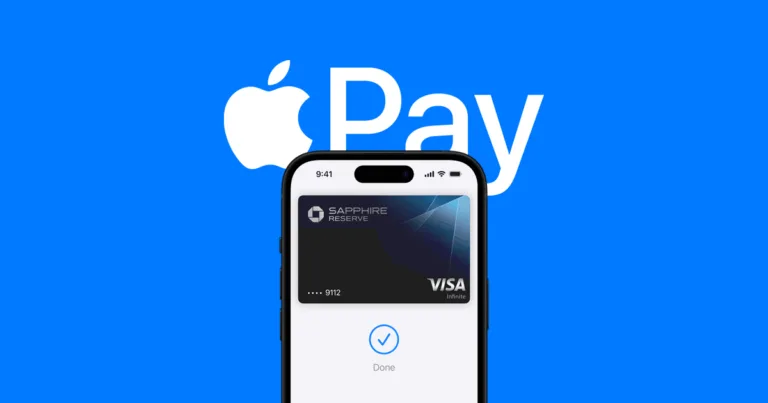
After over a decade of absence, Apple Pay is finally preparing to launch in India by the end of 2026, bringing contactless payment capabilities to the country’s rapidly growing iPhone user base. The Cupertino tech giant is currently in discussions with regulators, banks, and card networks to navigate the complex approval process required for the rollout.
Apple Pay India Launch: Key Details
| Aspect | Details | Significance |
|---|---|---|
| Launch Timeline | End of 2026 | Subject to regulatory approvals |
| Initial Features | NFC contactless payments | Tap-to-pay at PoS terminals |
| Card Support | Credit and debit cards via Apple Wallet | Indian-issued cards enabled |
| Global Presence | Available in 89 markets | India notably absent until now |
| Partners | Visa, Mastercard, Indian banks | Ongoing negotiations |
| UPI Integration | Unlikely initially | Requires separate TPAP approval |
| Device Compatibility | iPhone, Apple Watch, iPad, Mac | Apple ecosystem exclusive |
| Merchant Integration | Cashfree, Razorpay already onboarded | 2025 groundwork completed |
How Apple Pay Will Work in India
Once launched, Apple Pay will allow users to save their credit and debit cards to Apple Wallet and make contactless payments by tapping their devices on NFC-enabled point-of-sale terminals. This “Tap to Pay on iPhone” feature mirrors the seamless experience Apple users enjoy in 89 other global markets.
Currently, Indian-issued cards cannot be added to Apple Wallet—a limitation that’s frustrated iPhone users for years. The 2026 launch will finally eliminate this barrier, enabling secure, private payments using Face ID or Touch ID authentication.
Why Now? Apple’s Growing India Footprint
The timing isn’t coincidental. Apple recorded its highest quarterly shipments in India during Q3 2025, reaching 5 million units and securing fourth place in the market for the first time, according to IDC data. With approximately 10% market share overall and dominance in the premium segment (58% share), Apple has finally built the user base necessary to justify Apple Pay’s infrastructure investment.
For tech enthusiasts following TechnoSports, this shift represents Apple’s commitment to localizing services as its Indian manufacturing operations expand and brand loyalty deepens.
The UPI Question: Not Yet, But Maybe Later
India’s digital payments landscape is dominated by UPI (Unified Payments Interface), which processed billions of transactions monthly through apps like PhonePe, Google Pay, and Paytm. However, Apple is unlikely to pursue third-party application provider (TPAP) approval for UPI integration in the near term, according to industry sources.
Instead, Apple Pay will initially focus on card-based NFC payments at physical retail locations—a different use case than peer-to-peer UPI transfers. This positions Apple Pay as complementary to existing payment apps rather than a direct replacement.
Key Limitations to Expect
Unlike India’s ubiquitous UPI ecosystem, Apple Pay works exclusively on Apple devices and does not support non-Apple platforms. This means:
- No QR code payments at launch (India’s most common payment method)
- No peer-to-peer transfers like UPI-based apps
- Limited to NFC-enabled PoS terminals at participating merchants
- Apple ecosystem lock-in (iPhone, Apple Watch, iPad, Mac only)
These constraints mean Apple Pay will serve a niche—premium retail transactions and contactless payments—rather than displacing India’s payment app giants.
Competitive Landscape: Samsung Already Ahead
Apple isn’t the first to bring device-based payments to India. Samsung Wallet launched in 2022 and has since added UPI support, giving Samsung users an integrated payment experience. Apple’s delayed entry means it’s playing catch-up in a market where convenience and interoperability reign supreme.
For gamers and esports enthusiasts on TechnoSports, this could impact in-app purchases, gaming platform transactions, and esports tournament payments, where Apple Pay’s secure tokenization and biometric authentication offer advantages over traditional payment methods.
What Needs to Happen Before Launch
Apple must still navigate:
- Regulatory approvals from RBI and related authorities
- Fee negotiations with Visa, Mastercard, and Indian card issuers
- Merchant onboarding for NFC terminal compatibility
- Data localization compliance with Indian privacy regulations
Merchant groundwork has already begun—Cashfree Payments and Razorpay integrated Apple Pay in 2025 to support international transactions for Indian merchants, laying the foundation for domestic rollout.
The Bottom Line
Apple Pay’s India launch represents a long-overdue acknowledgment of the country’s importance to Apple’s global strategy. While it won’t revolutionize India’s payments landscape overnight—UPI’s dominance is secure—it will offer iPhone users a more integrated, secure payment option for retail transactions.
For the growing community of Apple enthusiasts, esports professionals using Apple devices, and tech-forward consumers, Apple Pay adds another layer of convenience to the ecosystem.
Stay updated on the latest tech launches and digital payment innovations at TechnoSports—where we cover mobile technology, gaming ecosystems, and fintech developments.
Explore more technology news and analysis at TechnoSports—your trusted source for tech and gaming updates.