SAS1
 FIO0
 GEN1
 ALA0
 ATA
 PAR
 LOR
 BRE
 NEW
 EVE
 DEP
 OSA
 WI-A
 LIONS
 Galatasaray
 Stuttgart
 Shakhtar
 Sporting
 Atlético
 Bayern
 NED183/3 (36/50 ov, target 183)
 OMA182
 Athletic2
 Real Sociedad1
 Juventus2
 Napoli0
 Marseille2
 Toulouse0
 NZ-A424
 IND-A346 & 32/0 (11 ov)
 QLD280
 VIC307 & 136/6 (66 ov)
 SYL218 & 218
 CHATT210 & 126/1 (37 ov, target 227)
 MYMS108 & 315/9 (91 ov) (f/o)
 KHU288
 DHA
 BAR266/8 (70 ov)
 RAN256
 RAJ231 & 110/3 (27 ov)
 ASSAM135
 KNTKA180/2 (36 ov)
 MEGHA
 NAGA244/8 (67 ov)
 TPURA219/7 (74.3 ov)
 SAU
 BENG143
 MAHA21/2 (8 ov)
 ODSA
 JHK37/3 (25 ov)
 CHD
 TN320/4 (86 ov)
 NZ
 IND
 UAE
 TOK
 MOW
 BIK
 JAB
 LUL
 POA
 DOLPH
 WPR
 CD
 AUCK
 AFG81/3 (8.1/20 ov, target 80)
 ZIM79
 NAM131/5 (21.2/50 ov, target 130)
 IRE129
 MS-W109 (18.1 ov)
 PS-W124/9
 KAL0
 IRAK0
 VLL3
 LEG1
 SON0
 KBH0
 GAIS0
 AIK0
 MJA0
 KFF0
 RAF0
 CAP0
 CHA0
 NCHI0
 ADQ0
 BRN0
 COM0
 REM0
 DEF0
 LAF0
 Barcelona
 Aston Villa
 Elche0
 Valencia1
 Lecce1
 Genoa2
 Liverpool0
 Arsenal1
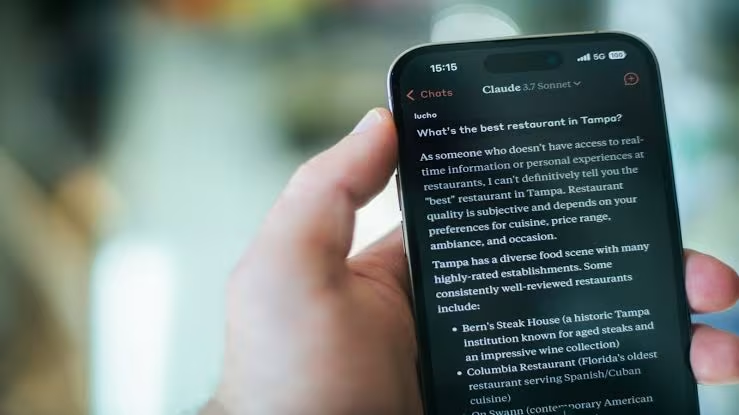
On November 2, 2026, Anthropic reportedly updated its Claude AI model to draw a firm line against recreating existing video games. The move reportedly targets copyrighted game titles while leaving room for original projects and user-designed assets. Anthropic remains headquartered in San Francisco, California.
What the Anthropic Claude Update Changes
The new rule reportedly separates making a game in a broad genre from reproducing a particular copyrighted title. Industry reports say Anthropic’s instructions tell Claude not to recreate a specific existing game, even if a user changes its name or calls it original. That distinction matters: a renamed copy can still reproduce recognizable elements of protected work.
Company representatives said the goal is to steer Claude away from helping users infringe intellectual property, in line with its usage policy. They also said original games, genre-based projects, and work using a user’s own designs and assets should remain possible. The update reached both the Claude API and consumer chat interfaces, giving developers and everyday users the same basic boundary, regardless of how they access Claude. Anthropic CEO Dario Amodei leads the company, which is making intellectual-property limits part of how its AI handles game-making requests.
Why Recreating Existing Games Became a Problem
The policy follows attention on AI-assisted projects that recreate well-known games for browser play. Reported examples include projects based on Halo: Combat Evolved, Call of Duty: Modern Warfare 2, and Grand Theft Auto V. Those projects raise a practical question for AI companies: when does a coding assistant help someone learn a genre, and when does it help reproduce another creator’s protected work?
A blanket ban on game development would be easier to enforce, but it would also shut down legitimate experimentation. Anthropic’s narrower approach leaves room for original game concepts while rejecting requests tied to a particular existing title. The trade-off? Users and the model must separate inspiration from recreation, which can be difficult to judge from a short prompt. The issue also ties into the wider question of how AI services enforce usage rules; Anthropic has addressed intellectual-property concerns before, but this announcement doesn’t explain how the company will assess borderline prompts or handle disputes. So users have a clear stated restriction, but few public details about how Anthropic will decide edge cases.
What Game Creators Should Do Next
For users, the safest approach is to describe mechanics and genre conventions without asking Claude to reproduce a named game’s characters, levels, story, or distinctive presentation.
For example, asking for an original platform game differs from requesting a copy of a specific platform title under a new name. Users should also provide designs and assets they have the right to use. There are three practical paths, and each comes with a downside.
| Approach | Benefit | Downside |
|---|---|---|
| Use Claude for an original concept | Fits the announced allowance | Result will not be a faithful recreation of a favourite title |
| Build from your own designs and assets | Gives creators more control | Requires them to provide that material |
| Seek permission or a licence for a specific property | Clearest route for an authorised adaptation | Depends on obtaining rights and may not be available |
Anthropic still needs to explain how its systems handle prompts between genre inspiration and imitation. Until then, creators should build projects around their own designs and authorised assets, not try to disguise an existing game as an original one. If you want to build with Claude, choose an original concept or assets you control; don’t ask it to recreate a named game.
FAQs
Can Claude still help users make video games?
Yes. Anthropic’s stated update allows help with original games, genre-based projects, and games built from a user’s own designs and assets.
What kind of request does the update target?
It targets requests to recreate a specific existing game, including attempts to present that recreation under a different name.
Does the rule apply to the Claude API?
Reports indicate the update was integrated into the Claude API and consumer chat interfaces.
Source: Engadget
Read Next
- OpenAI Pledges to Buy Google AI Chips in First Move Away From Google, Nvidia, and Reliance
- Apple iPhone Duo vs iPhone Air: Which Should You Choose?
- ONDC DigiDukaan: How India’s 1.4 Crore Kiranas Are Going Digital, One Restock at a Time
Was this article helpful?
Your feedback directly improves future articles on this site.