LAFC0
 LA1
 Mohun Bagan
 Chennaiyin
 PSG
 Lyon
 Sevilla
 Osasuna
 NED
 OMA
 NZ
 IND
 NAM
 IRE
 PAK
 SL
 SA
 AUS
 BAR1
 RMA2
 UDI0
 MIL2
 RSO2
 LEV1
 LEC0
 JUV2
 BRB76/3 (9/15 ov)
 MOW
 NZ-A317
 IND-A113 & 324/4 (82.2 ov)
 SYL280/2 (84 ov)
 KHU
 MYMS465/7d
 CHATT134/2 (40 ov)
 DHA521
 RAJ103/6 (26 ov)
 RAN402
 BAR179/3 (56.1 ov)
 LUL
 SPR
 TOK
 MIS
 MEX-W51 (12.5/20 ov, target 187)
 ARG-W186/7
 NGA148
 UGA147/9 (20 ov, target 149)
 GMB112/9
 LES109 (19.5/20 ov, target 113)
 MOZ110/7 (19/20 ov, target 110)
 ZMB109/9
 IND-W328/6
 ZIM-W207 (48.5/50 ov, target 329)
 ENG241
 Abha
 Al Faisaly
 Neftchi Fergana
 Al Ittihad
 Besiktas
 Istanbul BB
 Caykur Rizespor
 Trabzonspor
 Al Ahli
 Al-Gharafa
 SUN0
 LEE0
 SCF1
 MUN3

In May 2026, scientists turned silkworm silk into a supermaterial that rivals Kevlar. This innovative material blends natural protein structures with synthetic reinforcement, paving the way for a sustainable option in ballistic protection that doesn’t rely on petroleum.
Researchers think this breakthrough could reshape body armor design, shifting focus from bulky synthetic fibers to lightweight, bio-derived textiles. Silkworm silk plays a crucial role in this exciting development.
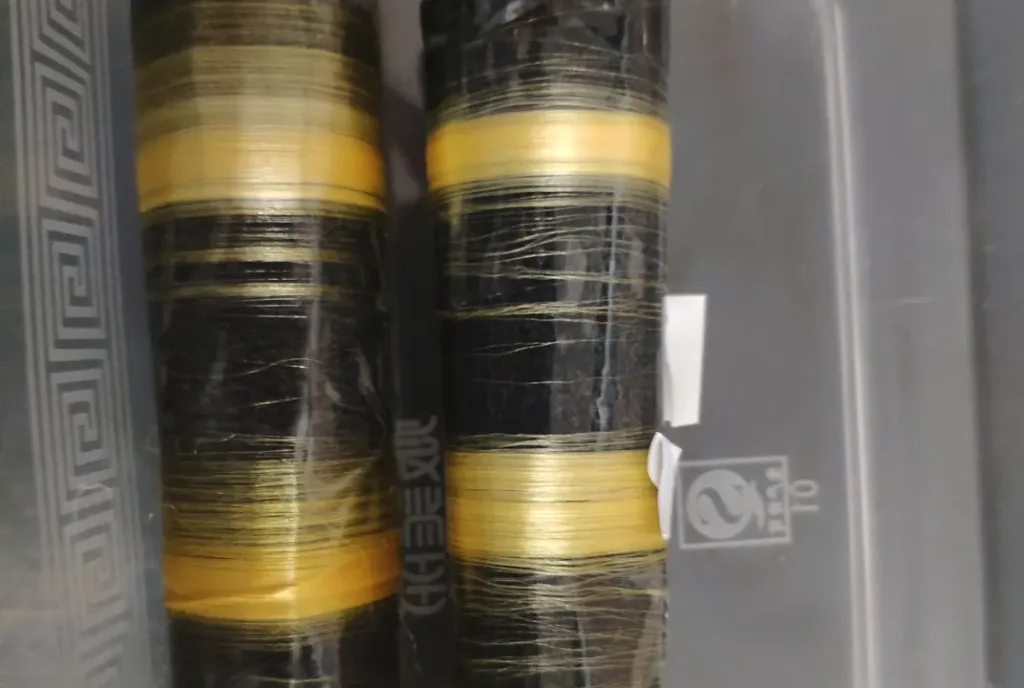
Engineering the Future of Protective Textiles
To create this supermaterial, scientists modified the genetic structure of silkworms so they produce fiber strands resembling spider silk, which is famous for its impressive strength. By combining these reinforced proteins with chemical cross-linking techniques, the team developed a material that offers strength on par with synthetic Kevlar. You can’t overlook the significance of silkworm silk here.
This effort goes beyond just lab results; it’s about making this material scalable. Researchers are investigating the mass-production potential of these enhanced silkworms to see if the material can fit into standard manufacturing processes.
The weight-to-strength ratio is what makes this development so appealing. Traditional body armor often becomes heavy and cumbersome, causing fatigue for wearers over time. In contrast, the new bio-engineered silk offers the same impact resistance but in a much lighter package.
Initial lab tests indicate that the material holds up well across various temperatures, making it a strong candidate for military and law enforcement use worldwide.
Impact on Global Manufacturing and Defense
The global defense industry is keeping a close eye on this innovation, as countries look for more sustainable options in procurement. If the material makes it to the commercialization stage, it could significantly cut down the carbon footprint linked to producing tactical gear. (Source: OpenAI Blog)
While Kevlar and similar synthetic materials have dominated the market for years, they heavily depend on non-renewable petrochemicals. This move toward bio-manufacturing fits well with broader industrial trends, much like the ambitious global goals set by leading tech and textile companies aimed at reducing supply chain emissions.
However, not everyone believes a full transition is just around the corner. Some skeptics raise concerns about the high costs of genetic modifications and the necessary infrastructure for scaling insect-based production. Still, supporters argue that the long-term expense of sourcing raw materials will decrease as breeding methods become more efficient. (Source: VentureBeat AI)
The next step in testing will focus on the long-term wear-and-tear durability, a crucial hurdle before this technology can move from the lab to actual use.
FAQs
How does this silk compare to standard Kevlar?
The bio-engineered silk reaches about 95% of the tensile strength found in industrial Kevlar while being much lighter.
Is this material ready for immediate use in body armor?
Not yet. The material is still in the testing and validation stage. Researchers are ensuring it can handle real-world environmental conditions before it’s widely adopted.
What are the main advantages of using silkworm silk?
Key benefits include a lower environmental impact, reduced weight for the user, and the potential for sustainable, bio-based sourcing instead of petroleum-based synthetic fibers.
The race to incorporate this supermaterial into tactical gear is just getting started, and we expect to see prototype field tests by early 2027.
How does bio-engineered silkworm silk compare to traditional Kevlar in terms of durability?
Bio-engineered silkworm silk matches Kevlar’s tensile strength and impact resistance while providing a lighter and more flexible profile, making it ideal for advanced protective textiles.
When will the public see body armor made from this silkworm silk supermaterial?
Researchers think that commercial integration of this bio-engineered silk into tactical gear and body armor will start after further durability testing and scaling for mass production, anticipated following the 2026 breakthrough.