MBSG
 CFC
 PSG
 LYON
 SEV
 OSA
 NED
 OMA
 NZ
 IND
 NAM
 IRE
 PAK
 SL
 SA
 AUS
 Barcelona1
 Real Madrid2
 Udinese0
 Milan2
 Real Sociedad2
 Levante1
 Lecce0
 Juventus2
 NZ-A317
 IND-A113 & 488/8 (119 ov)
 SYL280/2 (84 ov)
 KHU
 MYMS465/7d
 CHATT134/2 (40 ov)
 DHA521
 RAJ103/6 (26 ov)
 RAN402
 BAR179/3 (56.1 ov)
 SIKM
 NAGA112/7 (50 ov)
 JHK
 DELHI148/4 (47 ov)
 ODSA114/4 (43 ov)
 SVCS
 BRODA80/3 (32 ov)
 J & K
 CHD130/0 (31 ov)
 HP
 CGR
 AP122/6 (37 ov)
 HYD
 PNJB127/3 (40 ov)
 LUL
 SPR
 MOW
 TOK
 BRB
 MIS
 MEX-W51 (12.5/20 ov, target 187)
 ARG-W186/7
 NGA148
 UGA147/9 (20 ov, target 149)
 GMB112/9
 LES109 (19.5/20 ov, target 113)
 MOZ110/7 (19/20 ov, target 110)
 ZMB109/9
 IND-W328/6
 ZIM-W207 (48.5/50 ov, target 329)
 ENG241
 Abha
 Al Faisaly
 Sassuolo
 Lazio
 NEF
 ITT
 BES
 IBFK
 CAY
 TRAB
 Sunderland0
 Leeds0
 Freiburg1
 Bayern3

The UK government has quietly adjusted its policy on Russian oil imports as domestic fuel prices continue to climb, marking a notable shift in energy strategy for 2026. This decision aims to balance the nation’s geopolitical stance against the immediate economic pressure felt by motorists at the pump. While the official line emphasizes strict compliance, the move essentially permits certain transactions that were previously restricted to stabilize supply chains.
The context behind russian oil sanctions shapes how this story lands.
Impact on UK Fuel Prices and Energy Markets
Rising fuel prices have forced the Treasury to reconsider the stringent limitations imposed on energy-related imports. According to official data from the Department for Energy Security and Net Zero, the average cost of petrol in the UK reached a six-month high in May 2026. This trend mirrors the volatility seen in global markets, where supply constraints have pushed costs higher for both diesel and petrol. Motor Trend reports.
The government’s decision to allow specific exceptions for refined products originating from third-party hubs—which may contain Russian feedstock—is a response to this fiscal strain.
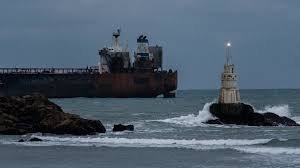
Independent analysts note that this loophole provides a necessary buffer for refineries struggling to source crude from alternative regions. By allowing these shipments, the UK hopes to lower the landed cost of fuels, which eventually trickles down to the forecourt prices paid by drivers. Understanding russian oil sanctions fully means staying ahead of these developments.
Not everyone agrees with this strategy. Critics argue that softening the sanctions undermines the international effort to limit Russia’s war chest. But the government maintains that the primary objective is to prevent a domestic energy crisis that could mirror the volatile fuel price fluctuations seen in Maharashtra or other regions dealing with supply instability.
| Factor | 2026 Impact |
|---|---|
| Fuel Prices | Up 8% since January |
| Sanction Status | Loosened for refined flows |
| Primary Goal | Consumer price stabilization |
The real story involves the long-term transition away from fossil-fuel dependence. As the UK pushes for heavy-duty electric fuel solutions and hydrogen-based alternatives like Ford Hydrogen Fuel cell technology, these sanctions adjustments are likely temporary measures. We expect the government to tighten regulations again once domestic renewable infrastructure matures and reliance on global crude volatility diminishes.
FAQs
Fuel prices: Why is the UK loosening sanctions?
The government is responding to rising it to ease the cost-of-living burden on consumers while ensuring energy supply stability.
Does this mean a total repeal of sanctions?
No, the change applies only to specific refined products and is intended to function as a narrow adjustment rather than a full policy reversal.
How does this affect the average driver?
The goal is to prevent further spikes at the pump, though global market trends will continue to influence local prices significantly. this