PAK150/8 (31.6/50 ov, target 242)
 ENG241
 IND-W328/6
 ZIM-W150/3 (34.6/50 ov, target 329)
 NGA
 UGA
 ATH2
 GET0
 MEX-W
 ARG-W
 CRY0
 NEW0
 LIV0
 BHA0
 MON0
 LILL0
 HUL
 BRE
 MAN
 BOU
 ATA
 FRO
 GEN
 VEN
 TSG
 B04
 CEL
 BET
 AUX
 MNS
 ANG
 LOR
 INT2
 FIO1
 CHU2
 PFC3
 GMB112/9
 LES109 (19.5/20 ov, target 113)
 MOZ110/7 (19/20 ov, target 110)
 ZMB109/9
 DEN
 PNG
 MOUNT185
 TUSK186/4 (36.4/50 ov, target 186)
 ROCKS273/8 (47/50 ov, target 287)
 EAGLE286/7
 LIMWn
 NW-W
 NCWmn
 FsWm
 BOL137/9 (20 ov)
 TITNS137/8
 EASTN105/3 (11.4/20 ov, target 146)
 SA-EM145/8
 NWEST22/3 (3.1/20 ov, target 181)
 NCAPE180/3
 BRB
 MOW
 TOK
 MIS
 SIKM
 NAGA
 JHK
 DELHI
 ODSA
 SVCS
 CGR
 AP
 BRODA
 J & K
 UAE244/8
 NED245/7 (43.5/50 ov, target 245)
 KER0
 MCFC0
 Konyaspor2
 Genclerbirli0
 NEC0
 GRO1
 PSV1
 FEY0
 Motherwell0
 Hearts1
 EVE0
 AVL0
 LIV0
 LCL0
 Atlético1
 Deportivo0
 Lazio2
 Parma1
 Lens2
 Paris FC1
 Al Riyadh2
 Al Taawoun1
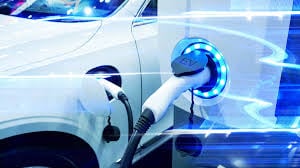
The official launch of Fleet‘s EV on March 15, 2026, marked its entry into a competitive market. But instead of relying solely on manufacturer claims, Fleet is taking an unprecedented step: transparency.
They’re sharing how their vehicles perform in daily use, targeting urban commuters and small business fleets who need reliable, cost-effective transport. This move is more than just a marketing stunt; it’s a direct challenge to the often-opaque data provided by other automakers. The real question is, can this level of openness translate into widespread adoption? That said, electric vehicles is worth examining closely here.
We’ve seen many companies promise the moon with their EVs, but Fleet is backing it up with hard numbers. Their flagship model isn’t just a city runabout; it boasts 250 horsepower and 320 Nm of torque, capable of a brisk 0-100 km/h sprint in just 6.5 seconds.
This performance is crucial for businesses that can’t afford to compromise on agility. Furthermore, the confirmed driving range of 420 kilometers on a single charge under real-world conditions addresses one of the primary anxieties surrounding electric vehicles. This data isn’t from a controlled lab; it’s from vehicles navigating real traffic, real weather, and real-world demands.
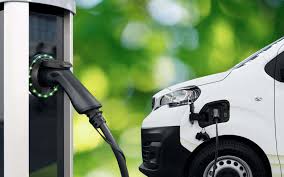
Electric vehicles: The Real-World Impact: Cost Savings and Performance in Action
The most compelling aspect of Fleet’s data release is the confirmed cost savings. The company reports an average of 30% lower costs for fuel and maintenance when comparing their EVs to equivalent internal combustion engine (ICE) vehicles over a 12-month period. This figure is significant. For small businesses running a fleet, that kind of saving can mean the difference between profitability and struggle. It directly impacts the total cost of ownership, a critical factor for commercial buyers.
Not everyone agrees that the transition to electric vehicles is straightforward — sceptics point to the initial purchase price as a barrier. Fleet’s EV starts at $39,900 USD, which, while not insignificant, becomes far more palatable when weighed against these long-term savings.
The different trim levels — Standard, Plus, and Premium — offer flexibility for various budgets and needs, further democratizing access to these savings. This transparency from Fleet could very well shift the conversation from upfront cost to long-term value, a critical pivot for the entire electric vehicle sector.