Mohun Bagan
 Chennaiyin
 PSG
 Lyon
 Sevilla
 Osasuna
 NED
 OMA
 NZ
 IND
 NAM
 IRE
 PAK
 SL
 SA
 AUS
 BAR1
 RMA2
 UDI0
 MIL2
 RSO2
 LEV1
 LEC0
 JUV2
 BRB16/3 (2.5/20 ov)
 MOW
 NZ-A317
 IND-A113 & 226/3 (63 ov)
 SYL280/2 (84 ov)
 KHU
 MYMS465/7d
 CHATT134/2 (40 ov)
 DHA521
 RAJ103/6 (26 ov)
 RAN402
 BAR179/3 (56.1 ov)
 LUL
 SPR
 TOK
 MIS
 MEX-W51 (12.5/20 ov, target 187)
 ARG-W186/7
 NGA148
 UGA147/9 (20 ov, target 149)
 GMB112/9
 LES109 (19.5/20 ov, target 113)
 MOZ110/7 (19/20 ov, target 110)
 ZMB109/9
 IND-W328/6
 ZIM-W207 (48.5/50 ov, target 329)
 ENG241
 LAFC
 LA
 Neftchi Fergana
 Al Ittihad
 Besiktas
 Istanbul BB
 Caykur Rizespor
 Trabzonspor
 Al Ahli
 Al-Gharafa
 SUN0
 LEE0
 SCF1
 MUN3

The electric vehicle market just received a vital new player today, as Fleet Shares Automotive announced the launch of its new electric vehicle (EV) model, the Fleet Shares E-Drive, on April 26, 2026.
This ambitious venture targets urban fleet operators and commercial delivery services, aiming to provide transparent, real-world performance data and significant cost savings. The confirmed price for the base variant starts at $42,000, with higher trims reaching up to $55,000, positioning it competitively for its intended market. The vehicle is available in three variants: Standard, Pro, and Pro Max.
Electric vehicle: Unveiling the Fleet Shares E-Drive: What You Need to Know
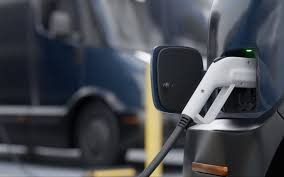
Fleet Shares Automotive isn’t just launching a new EV; they’re launching a philosophy. The E-Drive model aims to demystify electric vehicle ownership for commercial fleets by sharing authentic performance data. This transparency is crucial for businesses considering the switch from internal combustion engine (ICE) vehicles. The E-Drive itself boasts a robust electric motor delivering 250 kW of power and 450 Nm of torque, capable of accelerating from 0 to 100 km/h in a brisk 5.8 seconds. This performance profile is designed for the stop-and-go demands of urban logistics, ensuring efficiency without sacrificing responsiveness. The official range is rated at 420 kilometers on a single charge, a figure that Fleet Shares claims is conservative and achievable even under typical commercial operating conditions.
Real-World Impact: Savings and Operational Efficiency
The true differentiator for the Fleet Shares E-Drive lies in its promise of authentic cost savings. Fleet Shares Automotive is committed to demonstrating how its EVs can significantly reduce operational expenses for businesses. While specific aggregate savings figures are still being compiled and will be shared online as they become available, early projections and manufacturer claims suggest substantial reductions in fuel and maintenance costs compared to traditional vehicles. This focus on tangible financial benefits is a critical factor for fleet managers weighing the upfront investment against long-term operational gains. The potential for reduced downtime and lower maintenance needs, common advantages of EVs, further bolsters the business case. We believe this transparency will be key to accelerating EV adoption in the commercial sector.