NZ94/3 (13/20 ov)
 IND
IND NAM36/1 (7.3/50 ov)
 IRE
IRE MOZ
MOZ UGA
UGA AVL
AVL MNC
MNC RAY
RAY ELC
ELC GMB
GMB ZMB
ZMB NGA
NGA LES
LES CAG
CAG BOL
BOL COMO
COMO SAS
SAS FCA
FCA FCU
FCU Ipswich1
 Nottm Forest1
 Alavés1
 Málaga1
 Torino3
 Monza2
 Brest1
 Nice2
Nice2 WA
WA NSW195/3 (30.1/50 ov)
 DEN
DEN KUW
KUW KENYA
KENYA QAT
QAT NZ-A135/3 (41 ov)
 IND-A113
 DHA
DHA RAJ
RAJ MYMS
MYMS CHATT
CHATT RAN
RAN BAR
BAR SYL
SYL KHU
KHU MEX-W
MEX-W ARG-W
ARG-W UAE
UAE NED
NED PAK
PAK ENG
ENG IND-W
IND-W ZIM-W
ZIM-W AFG170/3 (34.3/50 ov, target 170)
 ZIM169
 TAS137 (25.2/35 ov, target 276)
 VIC304/7 (50 ov)
 CHE0
CHE0 DYI0
DYI0 CHO1
CHO1 QIN0
QIN0 HEN1
HEN1 BEI0
BEI0 LIA1
LIA1 ZHE0
ZHE0 QWC1
QWC1 YUN0
YUN0 SHX0
SHX0 Shanghai Shenh0
 TIG0
TIG0 SHP0
SHP0 WTT1
WTT1 SHT3
SHT3 KOE
KOE S04
S04 M05
M05 SVW
SVW RBL
RBL ELV
ELV Stuttgart2
 Gladbach3
 Al Ahli4
 Al Khaleej1
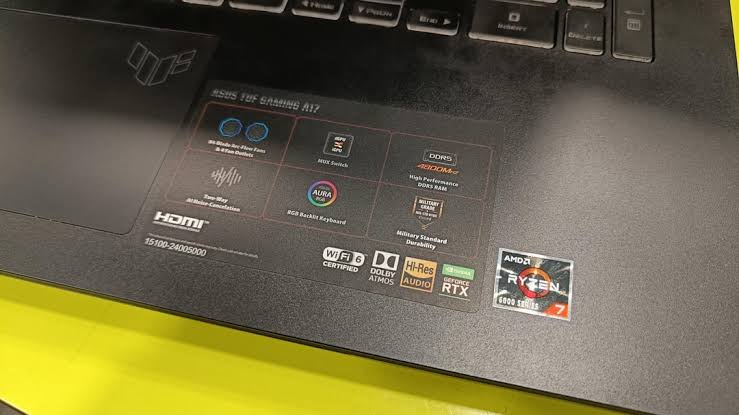
Peel-happy the moment you unbox a new machine? You’re not alone. If you’ve ever wondered why do laptops have stickers plastered across the palm rest, the answer isn’t about looks — it’s about money, certification, and marketing deals struck long before the laptop reaches your table.
So, Why Do Laptops Have Stickers?
Those little badges — Intel, AMD, NVIDIA, Windows, Energy Star — exist because component makers pay laptop brands for that sticky real estate. It’s essentially tiny billboard advertising, baked into the price you pay. Some stickers are optional marketing perks; others are mandatory certification marks manufacturers must display to legally use a partner’s branding.
What Each Sticker Actually Means
| Sticker | Why It’s There |
|---|---|
| Intel / AMD / NVIDIA | Paid co-marketing deal for the chip or GPU inside |
| Windows logo | Certifies the device passed Microsoft’s hardware compatibility testing |
| Energy Star | Confirms the laptop meets official energy-efficiency standards |
| Brand-specific badges | Highlight proprietary features like fast charging or display tech |
Interestingly, Apple is the one major brand that skips these — since it builds both hardware and software in-house, there’s no third-party chip partner to advertise. That’s also why, if you’re comparing laptops before buying, you’ll notice Windows machines look more “cluttered” out of the box than MacBooks.
Do They Affect Performance?
Not at all. They’re purely cosmetic or informational and don’t touch internal components — just avoid sticking anything over vents, since airflow really does matter for keeping your laptop cool during heavy use.
Can You Remove Them?
Yes, generally safe to peel off, though leftover adhesive can be stubborn. A little rubbing alcohol or a hairdryer to soften the glue usually does the trick without damaging the finish.