ALS0
 AHL0
 WAS3
 AQAJ1
 TRA0
 NEF0
 SAS
 FIO
 ATA
 PAR
 LOR
 BRE
 NEW
 EVE
 DEP
 OSA
 WI-A
 LIONS
 Galatasaray
 Stuttgart
 Shakhtar
 Sporting
 NED183/3 (36/50 ov, target 183)
 OMA182
 Athletic2
 Real Sociedad1
 Juventus2
 Napoli0
 Marseille2
 Toulouse0
 NZ-A424
 IND-A346 & 32/0 (11 ov)
 QLD280
 VIC307 & 136/6 (66 ov)
 SYL218 & 218
 CHATT210 & 126/1 (37 ov, target 227)
 MYMS108 & 315/9 (91 ov) (f/o)
 KHU288
 DHA
 BAR266/8 (70 ov)
 RAN256
 RAJ231 & 110/3 (27 ov)
 ASSAM135
 KNTKA180/2 (36 ov)
 MEGHA
 NAGA244/8 (67 ov)
 TPURA219/7 (74.3 ov)
 SAU
 BENG143
 MAHA21/2 (8 ov)
 ODSA
 JHK37/3 (25 ov)
 CHD
 TN320/4 (86 ov)
 NZ
 IND
 TOK
 MOW
 BIK
 JAB
 LUL
 POA
 DOLPH
 WPR
 CD
 AUCK
 OTAGO
 CANT
 AFG81/3 (8.1/20 ov, target 80)
 ZIM79
 NAM131/5 (21.2/50 ov, target 130)
 IRE129
 MS-W109 (18.1/20 ov, target 125)
 PS-W124/9
 KSS0
 ZEN3
 OVI2
 LPA3
 ATRO1
 VOL0
 ALLB0
 EST0
 SHO0
 MGR0
 Atlético
 Bayern
 Elche0
 Valencia1
 Lecce1
 Genoa2
 Liverpool0
 Arsenal1
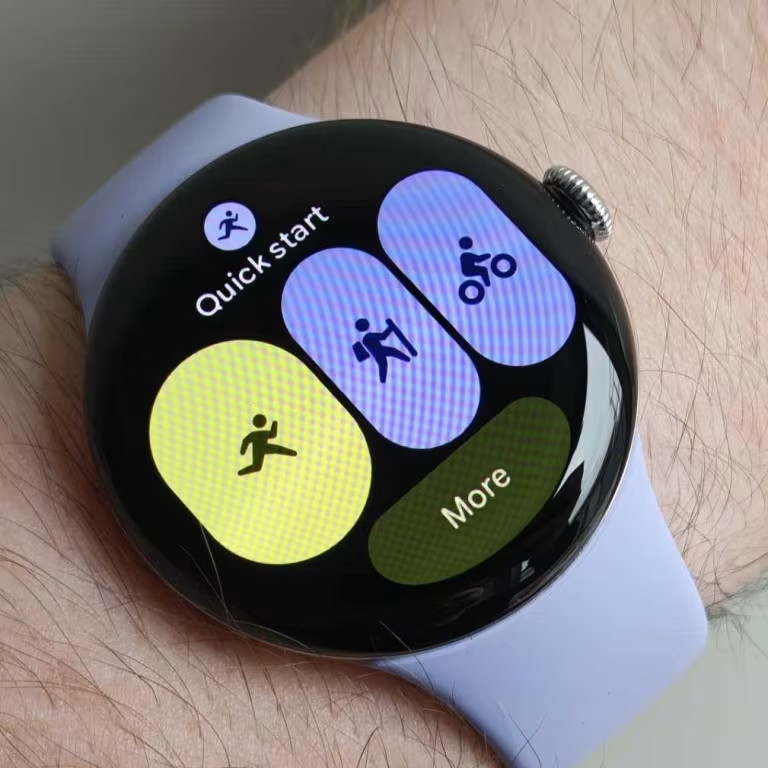
Google reportedly announced Wear OS 7.1 on Monday, November 2, 2026. But the status-bar feature users may be waiting for is reportedly being saved for a later release.
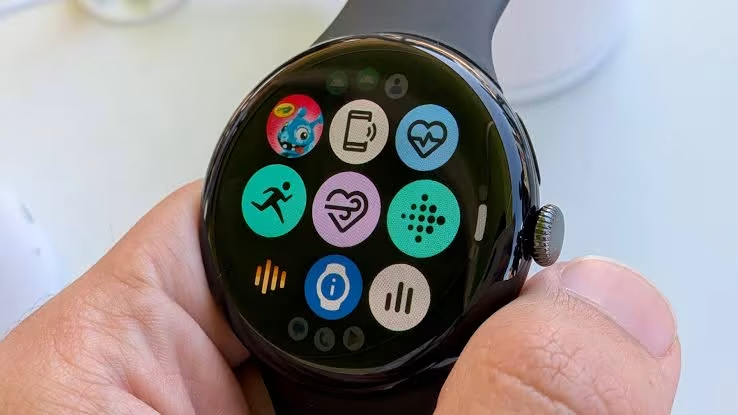
The Wear OS 7.1 Release Window
Google has released the latest Wear OS emulator, bringing Wear OS 7.1 to development environments for the first time. The build runs on Android 17, pointing to a closer connection between watch software and the main handset.
Developers can use updated application programming interfaces (APIs), in line with recent efforts to improve cross-device experiences. The release also gives app creators a stable foundation before a wider rollout.
The Missing Status Bar Feature On Your Wear Android Device
One notable addition in the new emulator build is a persistent system status bar over app windows. The overlay appears at the top of the circular display while apps are open. It brings to mind the notification and battery indicators on standard smartphones.
Still, users shouldn’t expect this interface change in the Wear OS 7.1 release. Status bar support appears only in the testing framework, suggesting Google has deferred the rollout. Android Authority outlined details of the emulator build and the delayed status bar.
Why The Delay Matters For Users
With the status bar postponed, current adopters may need to wait for a later patch to get consistent navigation cues. The delay gives engineers time to refine gesture mechanics without risking bugs in the main launch.
It also reflects a wider trend: core phone interface elements can take years to reach wearables. Some developers may want the feature sooner, but a staggered schedule could make firmware updates easier for manufacturers.
How To Prepare For The Upgrade
App creators should check the emulator documentation for the syntax needed to show the status bar overlay. Adding support now could help them avoid a last-minute rush when a public release arrives, and give them time to adjust layouts for the persistent top region. End users may get the update gradually, perhaps alongside other minor optimizations rather than in a standalone feature release.
A little patience may bring a more consistent experience between phone and wrist computing. This gradual rollout is meant to keep core functions reliable while advanced tools mature in the background. Wear OS 7.1 lays the groundwork, but the anticipated status bar could bring the biggest benefit to your Wear Android collection. Users weighing battery life against information density may gain the most from the delayed addition. The decision puts a bug-free experience ahead of rapid deployment, which could benefit the wearable ecosystem over the long term more than rushing an unfinished tool to market. Source: Android Authority
FAQs
What happens to the status bar in the initial Wear OS 7.1 release?
The status bar won’t be part of the initial Wear OS 7.1 release. It’s being held for a later update.
Which Android version powers the new Wear OS emulator?
The latest emulator build runs on Android 17, creating a closer technical link between the watch platform and the primary smartphone platform.
Can developers test the status bar before the final launch?
Yes. The canary emulator displays the persistent system status bar, so app creators can build in the overlay logic before the feature reaches users.
What is the significance of the delayed status bar feature in Wear OS 7.1?
The delay may put a bug-free experience ahead of releasing unfinished tools too soon. That could support the wearable ecosystem’s long-term health while helping users balance battery life with information density.
How does the new Wear OS emulator enhance developer capabilities?
The new Wear OS emulator runs on Android 17, strengthening the technical link between the watch platform and the primary smartphone platform.
Read Next
- OpenAI Pledges to Buy Google AI Chips in First Move Away From Google, Nvidia, and Reliance
- Apple iPhone Duo vs iPhone Air: Which Should You Choose?
- ONDC DigiDukaan: How India’s 1.4 Crore Kiranas Are Going Digital, One Restock at a Time
Was this article helpful?
Your feedback directly improves future articles on this site.