MEX-W
 ARG-W
 CRY0
 NEW1
 HUL1
 BRE0
 LIV2
 BHA0
 MAN0
 BOU2
 ATA3
 FRO3
 GEN1
 VEN0
 MON0
 LILL1
 AUX
 MNS
 ANG
 LOR
 OLM
 HAC
 REN
 STR
 TOU
 TRY
 SUN
 LEE
 SCF
 MUN
 LEC
 JUV
 NGA148
 UGA147/9 (20 ov, target 149)
 ATH4
 GET0
 INT2
 FIO1
 CHU2
 PFC3
 LIMWn
 NW-W
 NCWmn
 FsWm
 BOL137/9 (20 ov)
 TITNS137/8
 NWEST22/3 (3.1/20 ov, target 181)
 NCAPE180/3
 MIS50/2 (6/20 ov, target 170)
 VAG169/4
 NZ-A317
 IND-A113 & 106/2 (36 ov)
 SYL280/2 (84 ov)
 KHU
 MYMS465/7d
 CHATT134/2 (40 ov)
 DHA521
 RAJ103/6 (26 ov)
 RAN402
 BAR179/3 (56.1 ov)
 BRB
 MOW
 TOK
 SIKM
 NAGA
 JHK
 DELHI
 ODSA
 SVCS
 CGR
 AP
 BRODA
 J & K
 GMB112/9
 LES109 (19.5/20 ov, target 113)
 MOZ110/7 (19/20 ov, target 110)
 ZMB109/9
 IND-W328/6
 ZIM-W207 (48.5/50 ov, target 329)
 PAK243/9 (47.1/50 ov, target 242)
 ENG241
 UAE244/8
 NED245/7 (43.5/50 ov, target 245)
 KER0
 MCFC0
 TSG0
 B040
 NEC2
 GRO2
 PSV1
 FEY1
 Motherwell0
 Hearts1
 Atlético1
 Deportivo0
 Lazio2
 Parma1
 Lens2
 Paris FC1

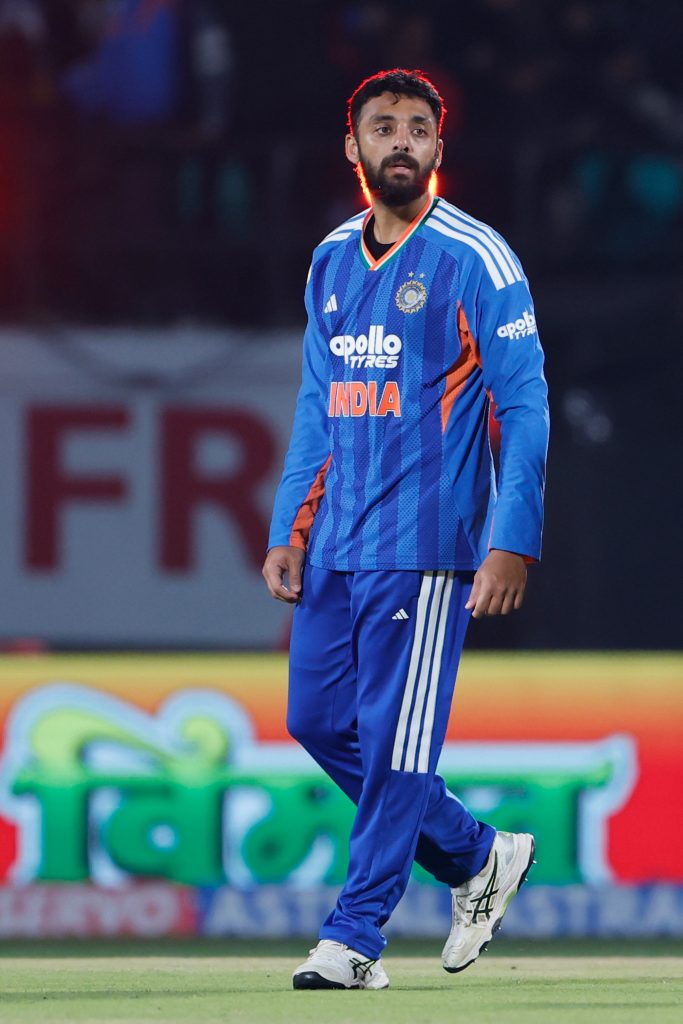
Facing the relentless grind of international cricket, Varun Chakravarthy has recently navigated a challenging period defined by physical and mental fatigue. While his role in India’s recent success has been pivotal, playing 11 matches in the T20 World Cup 2026 has taken its toll—his recent economy rates tell that story.
Understanding these recovery hurdles is essential to grasping how modern stars manage the transition from global stages to the high-stakes IPL revolutionizing player landscape.
Wankhede Stadium Semi-Final Drama and Bowling Volatility
The semi-final clash against England at Wankhede Stadium exposed just how much pressure India’s premier spinners face. India posted a mammoth 253 runs, largely thanks to Sanju Samson’s blistering 89 off 42 balls, which set the tone for a thrilling 7-run victory. But the bowling effort proved difficult for varun chakravarthy, who conceded 1/64 in his 4 overs.
This performance marked the joint second-most expensive spell in T20 World Cup history. It’s a reminder of how thin the line can be between tactical aggression and simply giving away runs in high-pressure moments. According to ESPN Cricinfo, the Wankhede surface offered little assistance that day, forcing bowlers to push harder and often miss their lengths.
Statistical Decline and the Impact of Tournament Fatigue
The numbers paint a clear picture: a bowler searching for his rhythm amidst a demanding schedule. Across 11 tournament appearances, he managed 17 wickets at an economy of 8.90. But here’s the thing—his last four games saw him leak 186 runs while taking only 4 wickets.
That economy rate jumped to 11.63. Compare that to his career standard of 7.11, and you’ve got a significant deviation. Honestly, it’s a clear symptom of fatigue plaguing players during extended tournaments. Cricbuzz analysis confirms that such dips aren’t about losing skill; they’re about the cumulative exhaustion of maintaining elite intensity for weeks on end.
Record-Breaking Costs and Future Expectations
Chakravarthy’s recent spell equals an unwanted record set by Sanath Jayasuriya in 2007, who also conceded 64 runs. It’s a stark reminder of how quickly momentum shifts in T20 cricket. Still, his legacy remains anchored in his middle-overs dominance from 2024 to 2026, where he maintained a strike rate of 12.30.
He’s not just a bowler; he’s a tactical asset. His ability to return to form will dictate his franchise’s success. With India set to face New Zealand in the final at the Narendra Modi Stadium, all eyes are on whether he can recalibrate his lines and rediscover that data analytics precision that made him a world-ranked bowler.
Points Table and Upcoming Final Implications
India’s narrow 7-run win secured their place in the final, proving that even when individual bowlers struggle, the collective unit can prevail. The fatigue factor remains a concern, but the team’s depth has provided a safety net.
Whether he bounces back in the final or needs a tactical rest, his contribution remains central to India’s campaign.
FAQs
How does fatigue affect Varun Chakravarthy’s bowling economy?
Fatigue often leads to a slight loss in concentration and physical sharpness, causing bowlers to miss their lengths in the middle overs. This resulted in an economy rate of 11.63 in his last four matches, significantly higher than his tournament average.
What are the main takeaways from his performance in the semi-final?
He struggled with length on a batting-friendly Wankhede pitch, conceding 64 runs in 4 overs. While he picked up a wicket, the match highlighted the extreme pressure bowlers face when defending high totals against aggressive batting lineups.
Will his tournament performance impact his IPL value?
Franchises typically view such dips as temporary, valuing his proven track record since 2024. His ability to manage workload and return to his base economy rate will be key to his long-term franchise stability.
What is World Cup fatigue, and how does it affect players like Varun Chakravarthy?
World Cup fatigue refers to the physical and mental exhaustion players experience after participating in a high-stakes tournament like the T20 World Cup. For Varun Chakravarthy, this fatigue can impact his performance in the IPL by affecting his stamina, focus, and overall game strategy.
How does Varun Chakravarthy manage fatigue during the IPL season?
Varun Chakravarthy manages fatigue through a combination of rest, recovery techniques, and tailored training regimens. He focuses on maintaining his physical fitness and mental well-being to ensure he can perform at his best during the IPL season.
What are the signs of fatigue that fans should look for in his performance?
Fans may notice signs of fatigue in his performance, such as decreased bowling speed, lack of accuracy, or reduced effectiveness in his variations. Additionally, body language and on-field decision-making can also indicate fatigue levels.
How important is recovery for players after a major tournament like the T20 World Cup?
Recovery is crucial for players after a major tournament as it allows them to replenish their energy, heal any injuries, and mentally reset. Proper recovery can significantly influence their performance in subsequent leagues, like the IPL.
Can fatigue impact a player’s long-term career?
Yes, prolonged fatigue can lead to burnout and increase the risk of injuries, potentially affecting a player’s long-term career. It’s essential for players like Chakravarthy to manage their workload effectively to ensure sustained performance over the years.