DAL0
 SJ0
 HOU0
 MIN0
 SKC1
 ATX0
 COL0
 VAN0
 RSL0
 STL0
 UAE
 NED
 PAK
 ENG
 IND-W
 ZIM-W
 GMB
 LES
 MOZ
 ZMB
 Inter Milan
 Fiorentina
 Churchill
 Punjab FC
 NGA
 UGA
 MEX-W23 (9.3/20 ov, target 189)
 ARG-W188/5
 ATM1
 DEP0
 LAZ2
 PAR1
 RCL2
 PAR1
 NZ-A317 (89.3 ov)
 IND-A113
 SYL
 KHU
 MYMS299/4 (87 ov)
 CHATT
 DHA293/3 (84.1 ov)
 RAJ
 RAN320/5 (80 ov)
 BAR
 DEN
 PNG
 NAM321/6
 IRE290 (47.3/50 ov, target 322)
 WEL0
 CCM0
 Athletic
 Getafe
 C Palace
 Newcastle
 Hull
 Brentford
 Liverpool
 Brighton
 Man United
 Bournemouth
 Atalanta
 Frosinone
 RIY2
 TAA1
 CHE0
 TOT2
 VAL1
 VIL2

USB-C And The Evolution Of Universal Charging: On Monday, August 3, 2026, the USB Implementers Forum (USB-IF) officially released universal adoption guidelines for USB-C standards. This marks a key milestone in the journey toward a truly universal charging solution.
This announcement comes on the heels of Apple’s transition of its iPhone lineup to USB-C, starting with the iPhone 15 series, launched on September 22, 2023. This move has significantly sped up the industry’s shift toward this versatile connector.
The story of USB-C began over a decade ago, with the original USB Type-C specification introduced by the USB-IF in August 2014. Since then, USB-C has become the go-to standard for charging and data transfer across a diverse range of devices, from smartphones and laptops to peripherals and gaming consoles.
USB-C and the Evolution of Universal Charging: The Rise of USB-C as a Standard
USB-C and the Evolution of Universal Charging: From USB-A to a Reversible Connector
USB-C’s design changed the game for charging and connectivity with its reversible connector. This means no more frustration over plug orientation, a common headache with older standards like USB-A and Micro-USB. This innovation has made USB-C a favorite among consumers and manufacturers alike.
The USB4 version 2.0 specification, published in September 2022, took USB-C’s capabilities up a notch by supporting data transfer speeds of up to 80 Gbps, effectively doubling the bandwidth of its predecessor. Plus, the USB Power Delivery (USB-PD) 3.1 specification allows power delivery up to 240 watts at 48 volts, enabling USB-C to charge high-demand devices like gaming laptops and monitors.
Intel’s Thunderbolt 4 interface, which debuted in July 2020, also uses the USB-C connector shape. It combines high-speed data transfer, video output, and power delivery in one port. This unification of standards has solidified USB-C’s role as the universal connector in modern electronics.
The evolution of USB-C shows how industry collaboration can spark innovation and standardization. For a deeper look into this journey, check out USB-C’s evolution and its impact on device interoperability.
Impact on Device Compatibility and Consumer Convenience
A Single Cable for Everything
The European Union’s mandate, effective December 28, 2024, requires USB-C ports on all applicable portable electronic devices. This regulation has been a major driver of universal adoption. It aims to cut down on electronic waste and simplify charging for consumers by reducing the clutter of multiple cables and chargers.
Apple’s switch to USB-C with the iPhone 15 series was a game-changing moment that aligned one of the world’s largest smartphone makers with this universal standard. As The Verge noted at launch, this shift not only benefits consumers through cross-device compatibility but also encourages other manufacturers to follow suit.
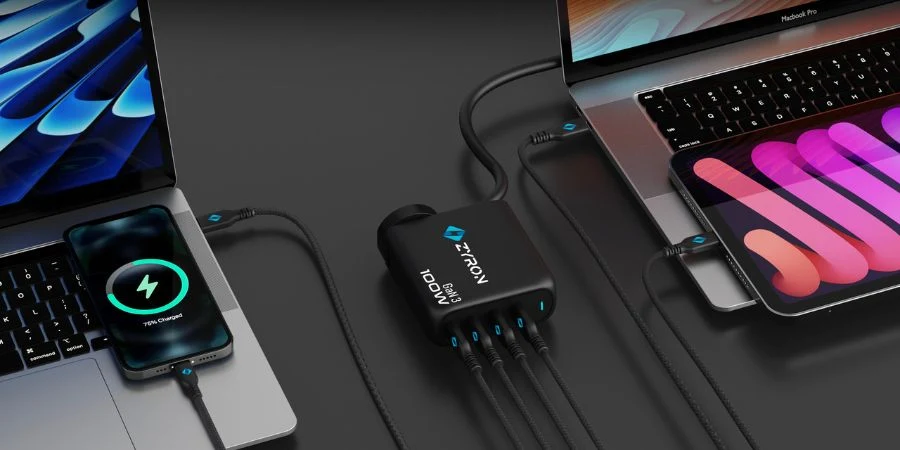
Thanks to USB-C, users can charge smartphones, tablets, laptops, and accessories using just one cable. This cuts down on clutter and enhances convenience. Plus, this universality supports faster charging and data transfer, improving the overall user experience.
Looking forward, the future of charging technology might include wireless solutions and solar-powered chargers, complementing USB-C’s wired advantages. As TechCrunch covered the announcement, the USB-IF’s new guidelines are set to further simplify charging standards around the world, fostering innovation while keeping compatibility intact.
Why Has USB-C Become the Preferred Standard?
Is it just the ease of a reversible connector? Or the promise of faster charging and data speeds? The answer lies in USB-C’s ability to combine multiple functions—power, data, and video—into one compact port. This versatility makes it indispensable in today’s interconnected world.
On top of that, the global push for sustainability has made USB-C’s universal adoption a smart move for reducing electronic waste. By standardizing charging ports, manufacturers can create fewer proprietary cables, and consumers can reuse chargers across devices, saving both money and resources.
In countries like India, where budget smartphones often lag behind in adopting newer charging standards, USB-C’s widespread acceptance helps bridge the gap between affordability and modern technology, enhancing user convenience across diverse markets.
What’s Next for USB-C and Charging Technology?
As USB-C becomes the standard, will proprietary chargers disappear entirely? While USB-C solves many issues, new technologies like wireless charging and solar energy harvesting are ready to complement it, offering even greater flexibility.
The USB-IF’s announcement on August 3, 2026, shows its commitment to refining and expanding USB-C standards to meet the changing needs of consumers and manufacturers. Could we be heading toward a truly universal charging ecosystem where one cable powers everything seamlessly? The groundwork is definitely being laid.
FAQs: USB-C and the Evolution of Universal Charging
What are the benefits of using USB-C for charging devices?
USB-C provides faster charging speeds, universal compatibility across a variety of devices, and higher data transfer rates. Its reversible design also makes it simpler to plug in, reducing wear and tear on ports.
How has global adoption of USB-C impacted device manufacturers?
Widespread adoption has prompted manufacturers to standardize charging ports, minimizing the variety of cables and chargers needed. This shift lowers production costs, benefits consumers, and helps cut down on electronic waste worldwide.
Is USB-C compatible with older USB standards?
Absolutely! USB-C ports support backward compatibility with older USB standards using the right adapters, allowing users to connect legacy devices while enjoying USB-C’s enhanced features.