

Apple’s chip manufacturing costs are about to surge. TSMC has notified major clients, including Apple, of impending price increases for advanced fabrication processes below 5-nanometers, affecting the entire lineup of A-series and M-series chips. Here’s what this means for your next iPhone or Mac purchase.
Table of Contents
TSMC Price Hike: Key Details at a Glance
| Detail | Information |
|---|---|
| Price Increase | 8-10% for sub-5nm chips |
| Effective Date | 2026 |
| Affected Apple Chips | A16, A17, A18, A19, M3, M4, M5 |
| Future Chips | A20, M6 (2nm process) |
| Current 3nm Cost | ~$45 per A18 chip |
| Projected 2nm Cost | ~$280 per chip (over 500% increase) |
| 2nm Wafer Cost | $30,000+ (50% more than 3nm) |
| TSMC Market Share | 70.2% of global foundry market |
Why Is TSMC Raising Prices?
TSMC’s massive $65 billion investment in Arizona fabs and escalating manufacturing expenses are driving these price adjustments. The company needs to maintain its 53% gross margin commitment while overseas facilities cost 5-20% more to operate than Taiwanese counterparts.
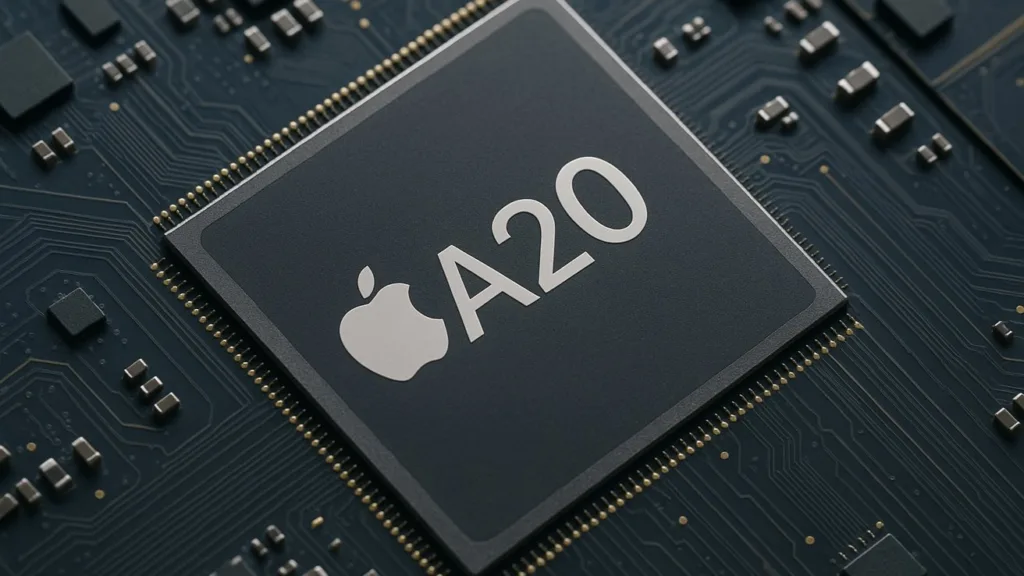
The upcoming A20 chip for iPhone 18 will use TSMC’s cutting-edge 2-nanometer process, which carries unit prices around $280 once volume production begins—making it the most expensive iPhone component ever.
For the latest tech industry updates, visit Technosports.
Impact on Apple Products
The iPhone 18 generation, expected in late 2026, will be among the first mass-market products built on the 2nm process. This represents a massive cost jump from the current A18 chip’s $45 price tag.
Apple’s entire device ecosystem faces pressure: iPhones, iPads, Macs, and Apple Watches all depend on TSMC’s advanced manufacturing. With the A18 chip representing roughly 10% of iPhone 16’s $416 bill of materials, a jump to $280 could severely impact profit margins.
Check out more Apple coverage at the official Apple website.
Will iPhone Prices Increase?
Apple has already raised iPhone 17 prices, with iPhone 18 likely to follow suit. The tech giant faces a difficult choice: absorb the costs and accept lower margins, or pass increases to consumers.
Some estimates suggest processor costs could rise from $50 to $85, representing a 70% jump. However, Apple’s history shows they’ve previously limited expensive processes to Pro models while keeping base models affordable.
For comprehensive smartphone reviews and comparisons, explore Technosports.
The Bigger Picture
This marks the end of Moore’s Law’s promise of cheaper, more powerful devices—transistor costs are rising for the first time in decades. The entire smartphone industry faces similar pressures, meaning premium Android devices will likely see comparable price increases.


