NZ
 IND
 NAM
 IRE
 MOZ
 UGA
 Aston Villa
 Man City
 Rayo
 Elche
 GMB
 ZMB
 NGA
 LES
 Cagliari
 Bologna
 IPS1
 NFO1
 ALA1
 MCF1
 TOR3
 MON2
 BRE1
 NICE2
 TAS53/4 (13/50 ov, target 305)
 VIC304/7
 NZ-A96/0 (31 ov)
 IND-A113
 DHA
 RAJ
 MYMS
 CHATT
 RAN
 BAR
 SYL
 KHU
 UAE
 NED
 PAK
 ENG
 IND-W
 ZIM-W
 AFG170/3 (34.3/50 ov, target 170)
 ZIM169
 DOLPH56/0 (3.5/8 ov, target 56)
 SWD51/4 (8/8 ov)
 WSW1
 BRI1
 Como
 Sassuolo
 Augsburg
 Union Berlin
 Cologne
 Schalke
 Mainz
 Bremen
 RB Leipzig
 Elversberg
 VFB2
 BMG3
 AHL4
 KHA1
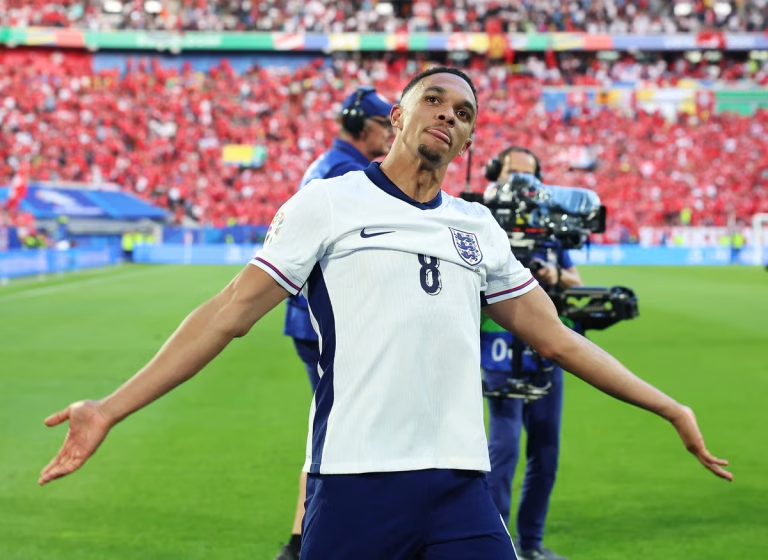
Three Lions supporters had one immediate selection surprise before England faced Spain at Wembley Stadium on Saturday, 26 September 2026: James Trafford was listed to start in goal, while Trent Alexander-Arnold was among the substitutes.
The UEFA Nations League Group A3 fixture was scheduled for a 7:45 p.m. BST kickoff, with England hosting Spain. The confirmed England XI gave Thomas Tuchel a clear blend of pace, youth, and attacking experience. Spain arrived with their own selection questions, while the match carried early importance because Group A3 points would shape the route towards the quarter-finals.
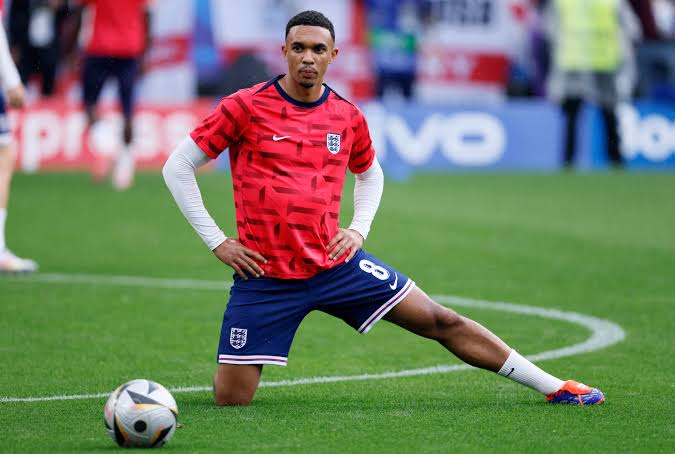
Three Lions Before Kickoff: A Changed England XI
England’s confirmed lineup was Trafford; Quansah, Konsa, Guehi, O’Reilly; Anderson, Lewis-Skelly, Bellingham; Gordon, Saka, Kane. The most immediate change was between the posts, where Trafford received the starting role instead of the experienced alternatives associated with previous England squads.
Alexander-Arnold’s place on the bench was the other major talking point. His availability gave Tuchel an experienced passing option for the second half, but England began with a defensive structure built around Quansah, Konsa, and Guehi behind a midfield featuring Anderson, Lewis-Skelly, and Bellingham. The absences made the team sheet more significant. Cole Palmer, Declan Rice, Marcus Rashford, Kobbie Mainoo, and Tino Livramento were all missing through injury, removing established options from several areas of the pitch. Our earlier coverage of Thomas Tuchel's England plans provides wider context for the manager’s selection decisions.
Spain Brought World-Champion Quality to Wembley
Spain’s expected lineup included Unai Simón, Marc Pubill or Eric García, Pau Cubarsí, Dean Huijsen or Aymeric Laporte, Marc Cucurella, Rodri, Pedri or Fabián Ruiz, Lamine Yamal, Mikel Oyarzabal, and Nico Williams or Alex Baena.
That selection pointed towards a possession-focused contest. Rodri could anchor the midfield, while Pedri or Fabián Ruiz would offer control between the lines. Yamal, Oyarzabal, and Williams or Baena provided the movement needed to stretch England’s back four. Spain were also missing important players. Joan García and Pedro Porro were absent through injury, while Gavi was suspended. The visitors’ squad remained technically strong, but those absences altered their defensive depth and midfield options.
Trafford and Alexander-Arnold Defined the Tactical Contrast
Trafford’s start placed the focus on England’s build-up from the first pass. Spain’s pressure could test whether England chose short distribution through the centre-backs or used Kane as an early outlet. Bellingham was central to connecting midfield with Saka and Gordon, particularly if Spain controlled possession for long spells.
Alexander-Arnold offered a different option from the bench. His passing range could change the rhythm if England needed quicker switches towards Saka or Gordon. His introduction could also allow England to push a full-back higher. The timing of that change would depend on how effectively O’Reilly and the midfield three handled Spain’s wide rotations. Kane against Spain’s centre-backs was another key duel. England had the focal point, while Spain had the midfield technicians to restrict service into him. The match might therefore turn on whether England could move the ball quickly enough before Spain’s defensive block settled.
| Match factor | England | Spain |
|---|---|---|
| Venue | Wembley Stadium, London | Away at Wembley |
| Competition | UEFA Nations League Group A3 | UEFA Nations League Group A3 |
| Kickoff | 7:45 p.m. BST / 18:45 GMT | 7:45 p.m. BST / 18:45 GMT |
| Key selection | Trafford started; Alexander-Arnold was on the bench | Rodri and Yamal were among the expected starters |
| Major absences | Palmer, Rice, Rashford, Mainoo, Livramento | Joan García, Porro, and Gavi |
England vs Spain: What the Group A3 Stakes Meant
This was not a friendly. The result would contribute directly to the Group A3 standings, with the top two teams advancing to the quarter-finals. England therefore needed their attacking talent to produce a controlled performance rather than relying only on individual moments. For more detail, see BBC Sport.
Spain’s quality raised the standard
Was this article helpful?
Your feedback directly improves future articles on this site.